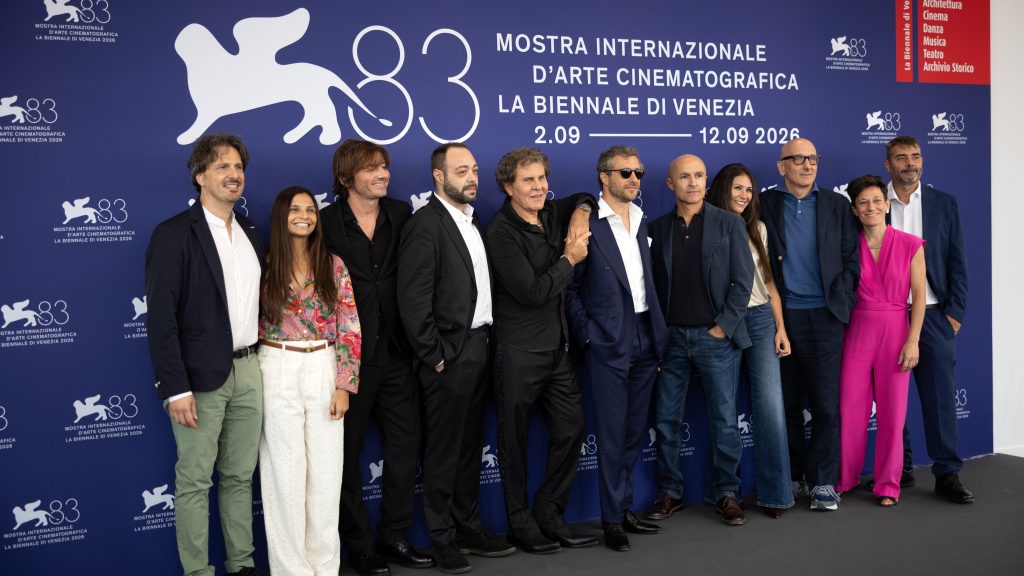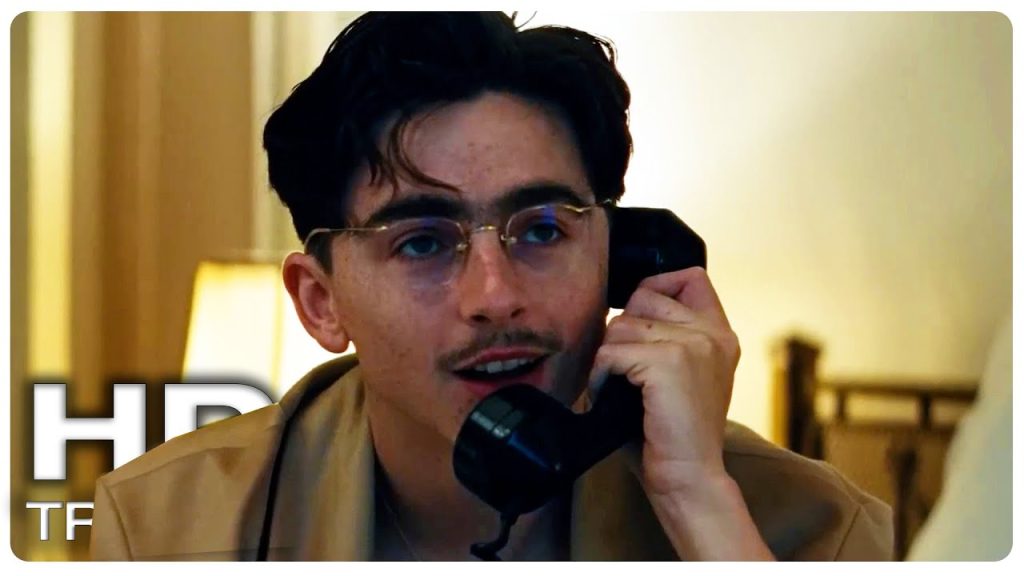
Maggie Gyllenhaal tried using AI to put Marilyn Monroe’s face onto Dakota Johnson for her short film Flesh Impact, and then threw the result away. She said so herself at Venice’s “The Future Of… Creativity” event, and the reason she gave is a sharper argument against AI face-replacement than most of the industry’s louder objections have managed this year.

Photo: Montclair Film, via Wikimedia Commons (CC BY 2.0)
A Commissioned Experiment, Not a Publicity Stunt
Flesh Impact is Gyllenhaal’s dual portrait of Marilyn Monroe made for the centenary of her birth, with Dakota Johnson playing Monroe at the height of her fame and Ellen Burstyn playing her decades later. Before landing on that structure, Gyllenhaal actually tested the AI-face-swap route the internet keeps assuming every studio is quietly using now, and she’s unusually candid about how the idea got there in the first place: “The people who commissioned this project asked me to use AI and I went for it.” Her own posture going in was curiosity, not resistance: “I was like, ‘All right, I’m curious. I don’t know. Let’s see.'”
The test itself used AI trained on licensed Marilyn Monroe footage to map Monroe’s face onto Dakota Johnson’s performance. This wasn’t a scraped deepfake built off unlicensed material; it was a legitimate, rights-cleared experiment run by a filmmaker willing to actually try the thing before forming an opinion about it. That distinction matters, because it means her verdict isn’t a rejection of sloppy or unauthorized AI use. It’s a rejection of what the technology actually produced under ideal, licensed conditions.
“It Fundamentally Did Not Work”
Gyllenhaal’s own words on the result are blunt: “it fundamentally did not work.” What killed it wasn’t a technical glitch or an uncanny-valley artifact. It was that the human alternative was simply better filmmaking: “what was coming through Dakota playing Marilyn Monroe was so much more moving, human, alive.” She frames the AI version as actively working against the reason the project existed: “All the reasons we decided to make this project to begin with. It’s an anathema from what I am after.”
That’s a specific, useful critique for anyone editing footage that mixes real and AI-generated material, because it isn’t really about Marilyn Monroe at all. It’s about what a face-swap technology fundamentally can’t capture yet.
What the AI Version Couldn’t Reproduce
Gyllenhaal’s explanation of what makes a performance work is where this becomes genuinely instructive rather than just another celebrity taking a swing at AI. She pointed to actress Jessie Buckley as an example of what’s actually happening in a great performance: “The thing that makes Jessie Buckley, for instance, so brilliant is her bouncing off the world.” The specifics matter more than the general sentiment — “Her interaction with me, with the actors around her… That’s what makes her a brilliant actress” is a description of real-time reactivity, not a static likeness. An AI face mapped onto a performance can borrow someone’s bone structure and skin texture. It can’t borrow the microsecond adjustments an actor makes in response to a scene partner who is actually in the room, because there’s no scene partner and no room, just a source clip and a target clip being merged after the fact.
For editors and colorists increasingly asked to cut AI-generated or AI-modified footage in alongside real performances, that’s the tell to watch for, not the texture of the skin or the accuracy of the likeness, but whether the performance is actually reacting to anything. Gyllenhaal ran the experiment with real resources and real license clearance and still landed on: keep the human take.
Sources: