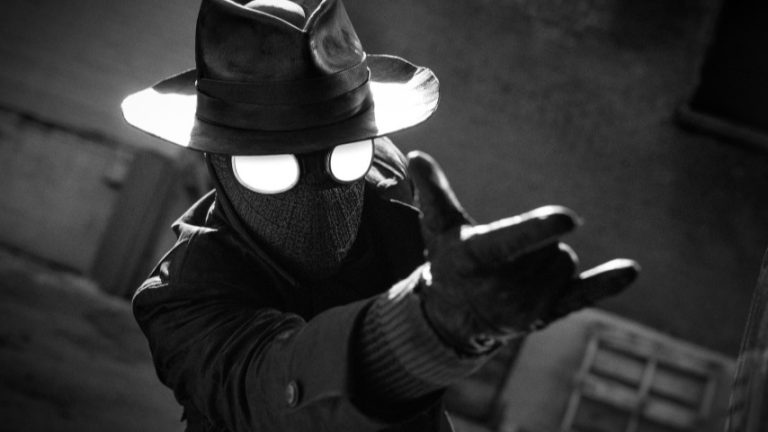
Prime Video canceled Spider-Noir after one season on September 4, 2026. Days later, at the Creative Arts Emmys, cinematographer Darran Tiernan walked up to accept the award for Outstanding Cinematography for a Series (One Hour), for the episode “Step Into My Office.” The Nicolas Cage series picked up five wins from its eleven nominations that weekend, on the heels of being written off.
That timing makes it sound like a consolation prize. It isn’t. What Tiernan and co-cinematographer Peter Deming pulled off on Spider-Noir is one of the more technically interesting jobs anyone did on a network camera this year, and it has nothing to do with sympathy votes.
One Shoot, Two Finished Shows
Every episode of the series, a 1930s-set private-eye story built around Cage’s Ben Reilly, was finished as two separate, fully graded versions: an “Authentic Black & White” cut and a “True-Hue Full Color” cut, and viewers could pick either on Prime Video or MGM+. That wasn’t a black-and-white show with a color option bolted on afterward. Tiernan told The Credits it ran the other way: “Rather than having a color image and turning it black and white, it was the reverse. ‘What could it be in color?’ We created two different lookup tables on the cameras, so we could go back and forth.”
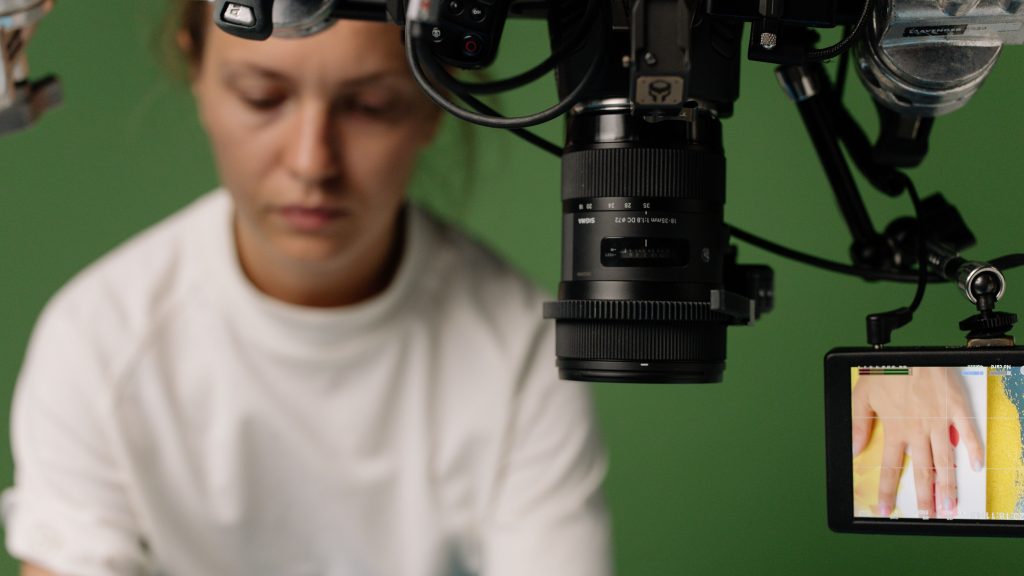
They committed to the black-and-white version on set, too. Tiernan said the monitors defaulted to monochrome for everyone except the DIT: “I’d watch black and white first, second, third take. Then on the fourth take, we’d check the color [version].” Deming, who shot episodes five and six, was blunt about how far they pushed the color to make the monochrome read correctly: “Sometimes you’re pushing the color to make the black-and-white work… it certainly was very bold.”
The Black-and-White Was Built, Not Extracted
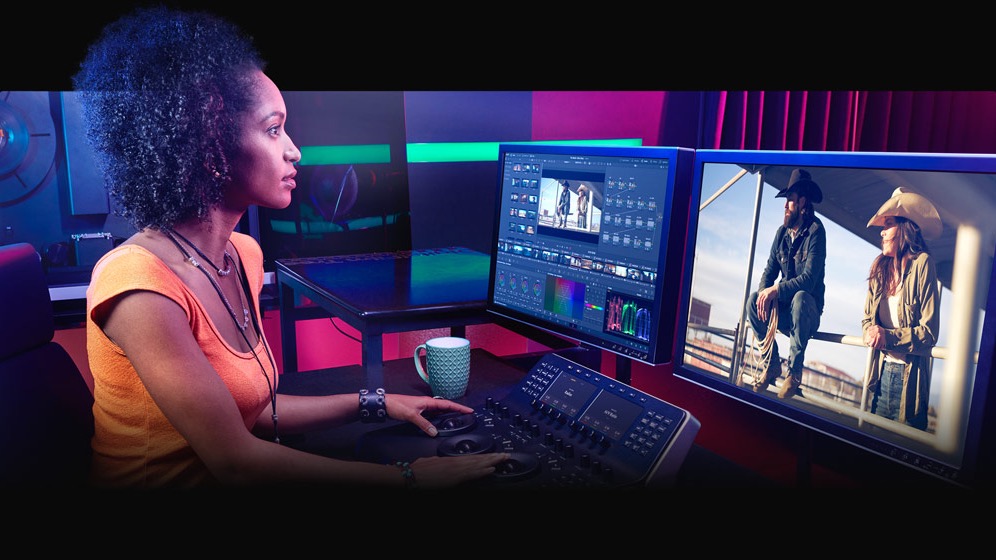
The harder problem belonged to colorist Pankaj Bajpai — a longtime FilmLight Baselight user whose other credits include The Penguin and Fear the Walking Dead — who finished both versions. Every episode was graded in color first, then converted, and Bajpai treated that conversion as a creative decision rather than a checkbox. “For me, creating black and white is still a color process,” he told The Credits. “So the exciting part was how to filter these vibrant colors into analog photography?”
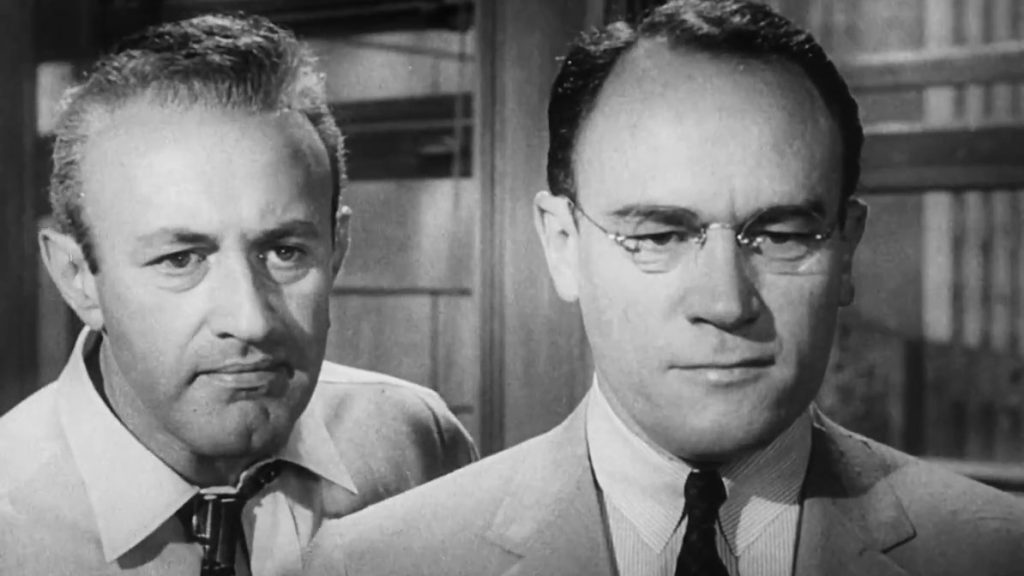
Bajpai worked with image scientists to build data profiles modeled on classic stocks, but he wasn’t chasing a straight replica of any single one. Shooting on a Sony Venice 2 instead of actual black-and-white film meant there was no direct translation to lean on: “It doesn’t quite translate to black-and-white TRI-X, but also, we weren’t trying to emulate TRI-X but create our own hyper-chromatic, cross-process blend.” For a World War I flashback in episode five, he went further, building his own digital version of Technicolor’s old silver-retention ENR process rather than replicating it as a filter. The reference points weren’t other TV shows — they were Kubrick’s The Killing and Welles’ The Lady from Shanghai.
A Cancellation Doesn’t Undo the Workflow
None of this saved a second season. Eleven Emmy nominations and a loud cult following weren’t enough to keep Spider-Noir in Prime Video’s daily top ten long enough to matter to the people who make renewal decisions. But the production solved a problem most shows never touch: how do you light, shoot, and grade a single scene so it holds up as two different finished looks, made for two different kinds of attention, without either one feeling like the afterthought.
That’s a bigger swing than most things that get called “bold” in a press release, and the actual mechanism — DP, DIT, and colorist treating the on-set LUT as a live creative tool instead of a fixed preset — is worth stealing regardless of what happens to the show it came from. Prime Video can cancel a series. It can’t cancel the fact that the workflow worked.
Sources:
TVLine — “Spider-Noir Canceled: No Season 2 For Nicolas Cage Series At Prime Video”
GoldDerby — “Spider-Noir Wins 5 Emmys After Being Canceled”
Wikipedia — Primetime Emmy Award for Outstanding Cinematography for a Series (One Hour)
The Credits (MPA) — “From Bogart to Bold Color: How DPs Darran Tiernan and Peter Deming Captured Nic Cage’s Spider-Noir”
The Credits (MPA) — “Spider-Noir Colorist Pankaj Bajpai on Crafting Two Worlds”
FilmLight — “Meet the Colourist: Pankaj Bajpai”
postPerspective — Pankaj Bajpai coverage