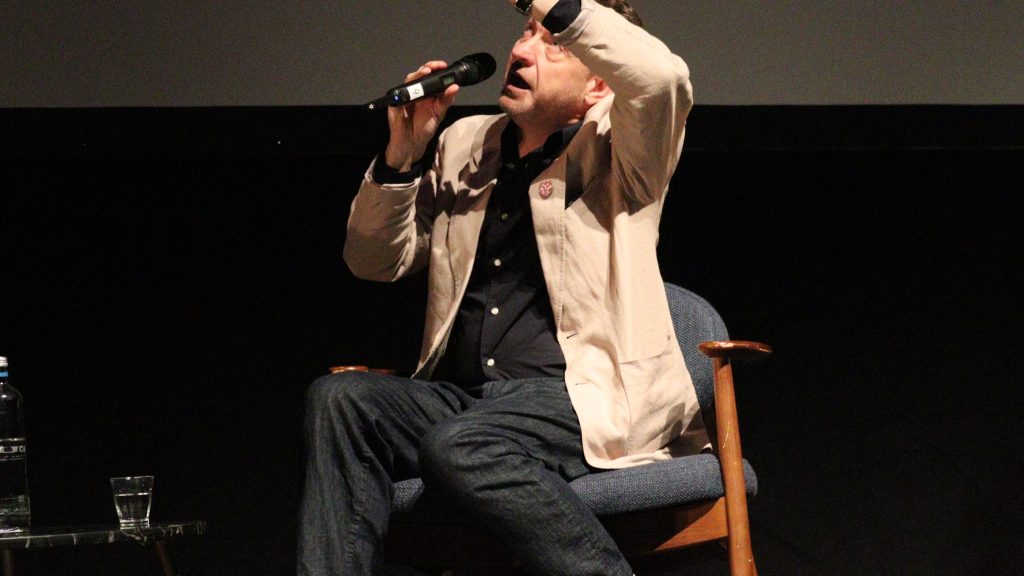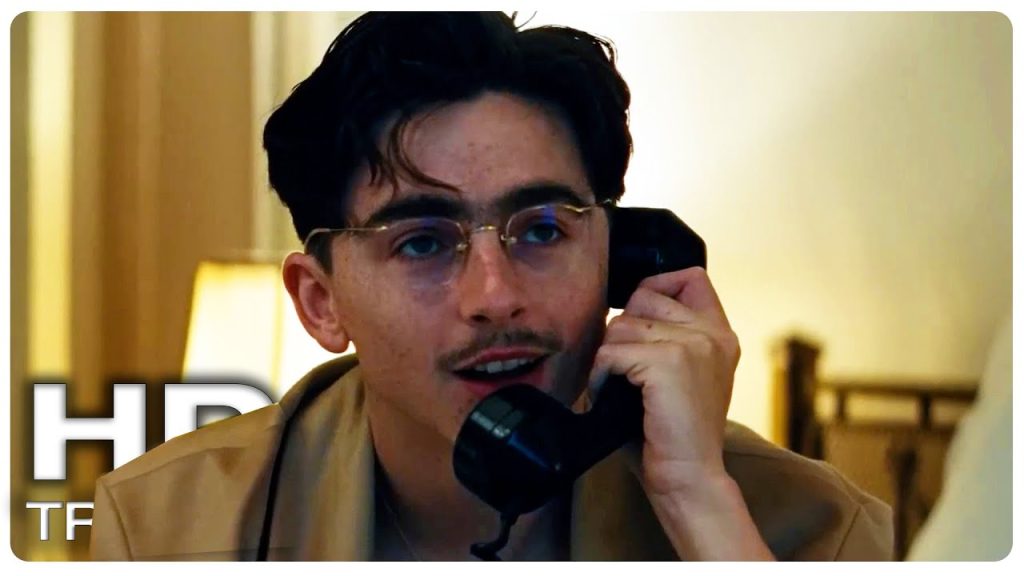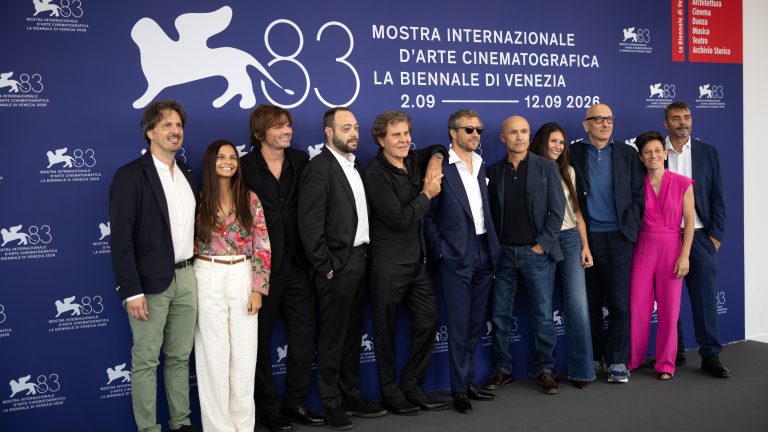
Be Brave, the documentary about Diesel founder Renzo Rosso that premiered out of competition at the 2026 Venice Film Festival, is being described by its own director as something closer to a synthetic reconstruction than a documentary in the traditional sense. “Not a single frame of Renzo was filmed for this documentary,” director Francesco Carrozzini told Reuters. Every shot of the 71-year-old Rosso in the film, including scenes where he appears to be speaking directly to camera in the present day, was generated by AI.
That’s a different claim than most of the AI-in-film stories that have circulated all year. This isn’t a VFX shot patched into a live-action scene, or an AI tool used to speed up a color pass. It’s 90 minutes built around a subject who was never in front of a camera for his own biography, stitched together with real interviews from people who were.
What’s Actually Real in the Film
Per Reuters’ reporting, the film’s approach is split cleanly in two. Interviews with figures like Anna Wintour and John Galliano are genuine, filmed conversations, composited against stylized or retouched backdrops. Everything involving Rosso himself, including “archive” footage of his childhood and early career that never existed, was generated. Rosso’s own reaction to seeing that fabricated childhood was candid: “There were no images of me when I was little. It brought tears to my eyes seeing myself as a child speaking.” He also pushed back on the idea that any of it replaces the work: “Creativity is absolutely not replaced by the machine. Human beings remain fundamental.”
Producer Lorenzo Mieli, whose credits include some of Italian television’s biggest exports, framed the film less as an endorsement of the technology than an argument for getting ahead of it: “We need to regulate it, control it, prevent exploitation and prevent the disappearance of professions. But we also need to understand it very well.” That’s a notably different pitch than the usual AI-tool launch copy — closer to a producer trying to get out in front of a fight he knows is coming than someone selling a workflow.
The Fight That’s Already Started
The fight arrived fast. Writing for Film Inquiry, critic Clement Tyler Obropta called Venice’s decision to program the film a “dangerous precedent,” arguing it hands AI filmmaking “a foothold” by treating it as equivalent to a legitimate formal innovation rather than a shortcut around one. He paired the criticism with a George Clooney quote from earlier in the festival season warning that “AI spreads misinformation and that modern media is concentrated in the hands of a few wealthy individuals,” and a line from Telluride Festival director Julie Huntsinger urging the industry to “be very alert and vigilant” about the technology’s spread into competitive programming.
Whatever side of that argument you land on, Be Brave is a genuinely useful test case, because it doesn’t hide the seam. Most AI-in-editing controversies this year have been about audiences being fooled without knowing it — a deepfake ad, a synthetic influencer, a viral clip nobody flagged as generated. This one is the opposite: a subject, a director, and a producer openly stating on the record which parts are fabricated and which aren’t, and daring critics to still object. For editors and documentarians, that’s the actual precedent worth watching, not whether the AI itself looks convincing. It’s whether “here’s exactly what’s fake” is enough disclosure to satisfy an audience, or whether the discomfort was never really about detection in the first place.
Sources:
- Reuters (via Yahoo News) — Crispian Balmer, “AI-powered documentary tests cinema’s boundaries in Venice”
- Film Inquiry — Clement Tyler Obropta, “Venice Just Screened an AI Film. This Sets a Dangerous Precedent”
- Deadline — “Lorenzo Mieli Talks AI-Made Diesel/Renzo Rosso Bio-Doc ‘Be Brave'”
- La Biennale di Venezia — Official 2026 selection, “Be Brave”