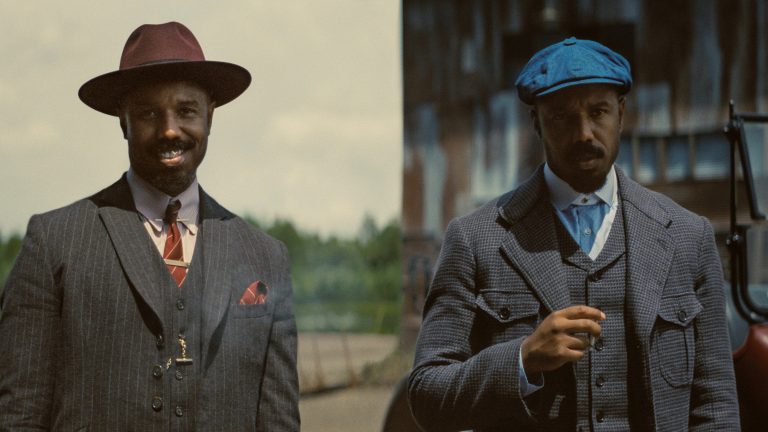
Ryan Coogler’s “Sinners” asked its editor to solve a problem most cuts never have to touch: Michael B. Jordan plays both Smoke and Stack, twin brothers who share nearly every scene in the film’s first half, and editor Michael P. Shawver had to make an audience believe they were watching two different men who happened to look identical, not one actor doing a costume change between setups. Shawver was Oscar-nominated for the result. Getting there took, by his own count, roughly a hundred different cuts of the movie.
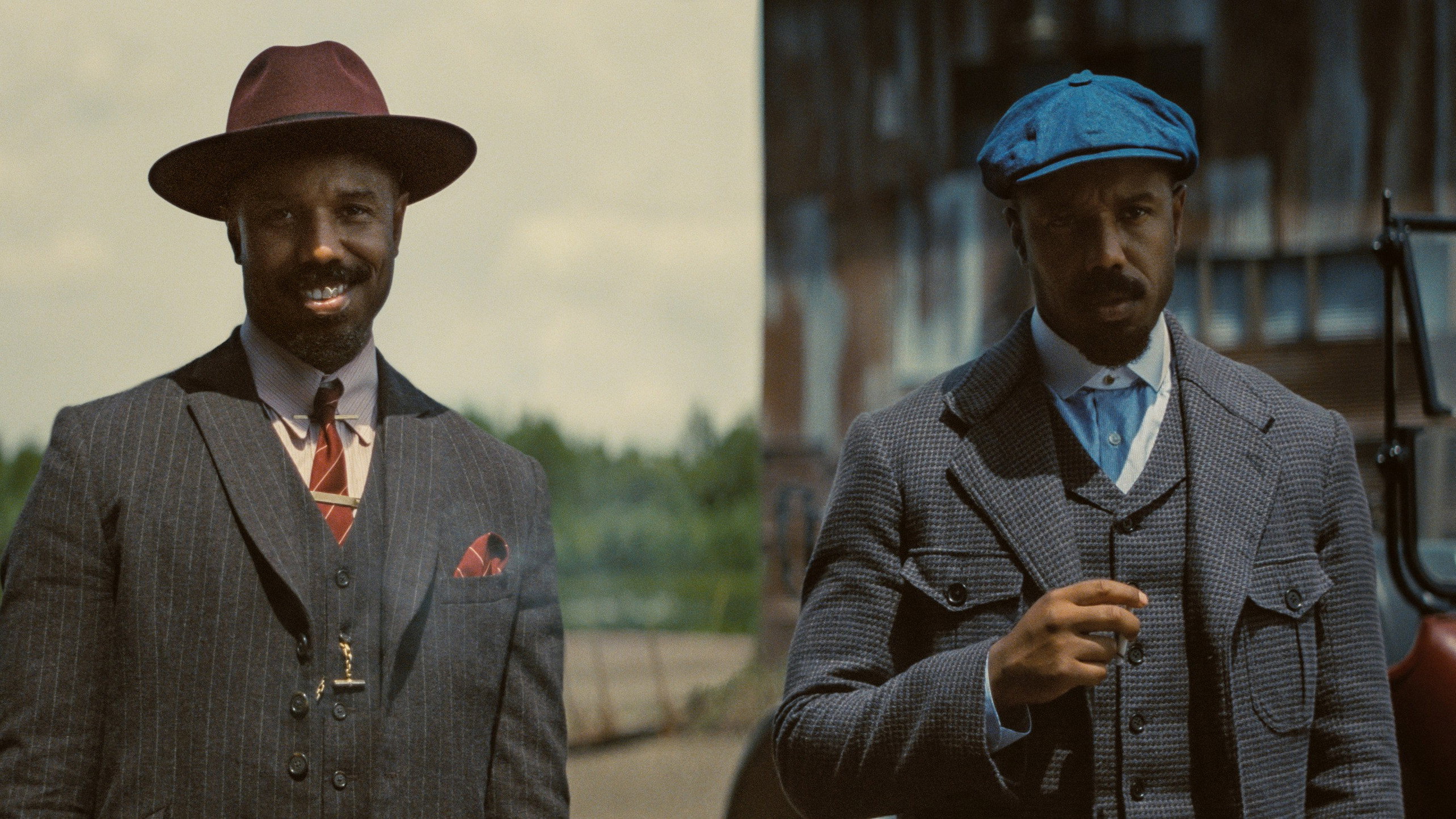
Image: Sinners (2025), © Warner Bros. Pictures / Proximity Media. Used for the purposes of criticism, review, and commentary under the fair dealing provisions of Section 29.1 of the Canadian Copyright Act (R.S.C., 1985, c. C-42). The image illustrates the editorial analysis above and is not used as a substitute for the original work or for independent commercial exploitation. All copyright in the image and the underlying film remains with its respective rights holders.
“That’s Two Michael B. Jordans,” and Other Ways to Lose an Audience
Shawver put the actual bar bluntly: “If an audience member sits there and says, ‘That’s two Michael B. Jordans,’ we lost them.” The job wasn’t just technical, matching eyelines and hiding the seams of a twin-shooting process, it was psychological. Shawver mixed and matched takes between the two performances and sometimes sped up or slowed down one side of a conversation, subtly enough that no viewer would consciously register it, just enough to make Smoke and Stack read as two people who’d spent a lifetime finishing each other’s rhythm rather than one man performing both halves of a scene.
A Hundred Versions to Find One Movie
The twins were the smaller structural problem. “We tried maybe a hundred different versions of this movie,” Shawver has said, describing a film that has to function simultaneously as a gangster drama, a musical, a horror film, and a love story without any one genre swallowing the others. An early cut ran three hours; a subsequent 90-minute version cut nearly the entire opening. Both got thrown out. Shawver built the actual opening in the register of “Wes Craven style, where you have an opening scene and put the audience on edge,” specifically so the vampire threat introduced later wouldn’t land as an unannounced genre swap. Test screenings still came back rough, scoring in the “mid to low 70s,” even as Shawver watched the same footage play “like a rock concert” in a packed room, a gap between measured data and in-room reaction that post houses rarely admit to this openly.
The Scene That Got Cut, Then Saved for the Credits
The clearest case of an edit decision becoming a plot decision is the film’s much-discussed post-credits scene. “That was just a performance we had cut out earlier,” Shawver said. “We couldn’t lose this, so we threw it at the end as a treat.” A scene that didn’t survive the main cut ended up reshaping how audiences read the entire back half of the film, purely because editorial found it a second life instead of deleting the file.
Cut Around Two Frame Shapes, Too
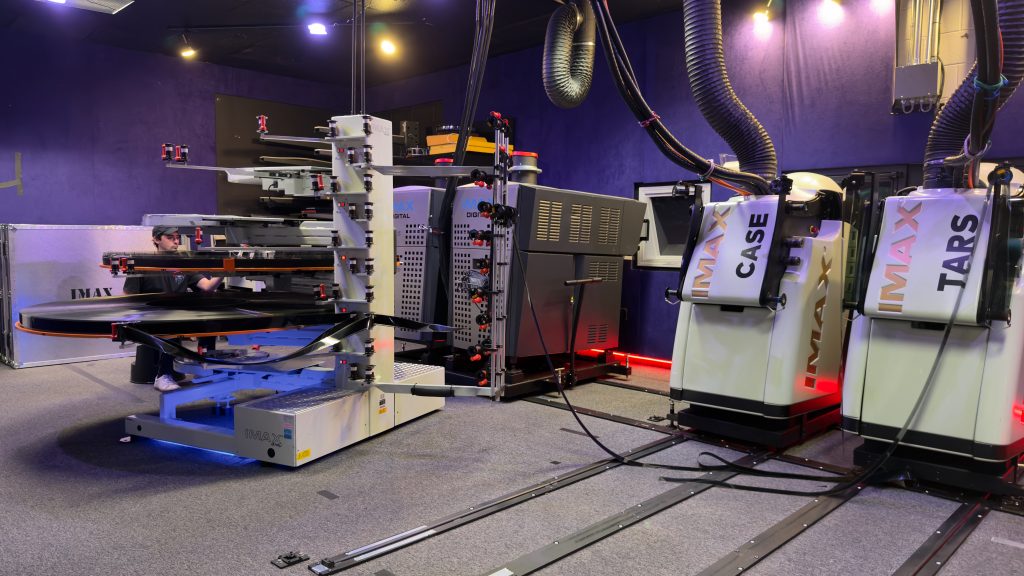
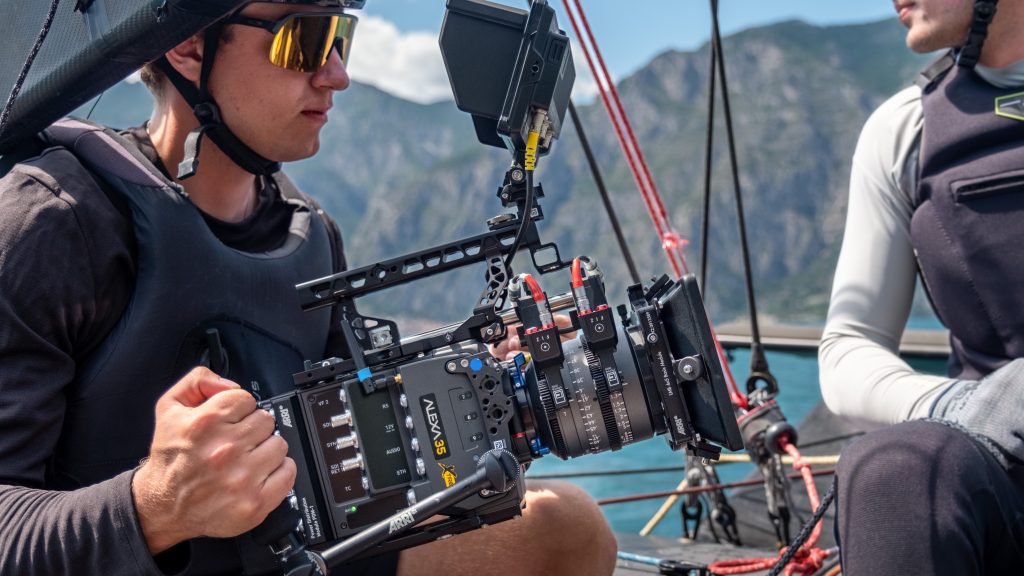
All of this happened on top of a production shot simultaneously on 65mm Ultra Panavision and 65mm IMAX film, two aspect ratios switching within the same movie depending on a scene’s emotional register, a combination cinematographer Autumn Durald Arkapaw was the first to shoot on one production. That’s a format decision most editors never have to reconcile shot to shot, on top of the twin problem and the genre problem, and it’s a reminder that on “Sinners,” the texture and shape of the image itself was never just decoration. It was doing narrative work, right alongside the cut.
None of Shawver’s hundred versions solved “Sinners” by fixing one big thing. They solved it by fixing the small ones: whose face is on screen when, how fast a line lands, which scene deserved a second life after being cut. That’s the actual craft an editor gets nominated for, and it has nothing to do with genre or spectacle. It’s just refusing to let an audience feel the seams.
Sources:
- The Credits (MPA) — “How Sinners Oscar-Nominated Editor Michael P. Shawver Carved Ryan Coogler’s Beautiful Chaos Into Pure Cinema”
- MovieMaker — “Sinners Editor Michael P. Shawver on Flawlessly Combining Genres — and Two Michael B. Jordans”
- At Crafty — “Sinners Editing: Inside 100 Versions with Michael Shawver”
- Variety — “‘Sinners’ Cinematographer Autumn Durald Arkapaw on Filming on Ultra Panavision 65mm Film”