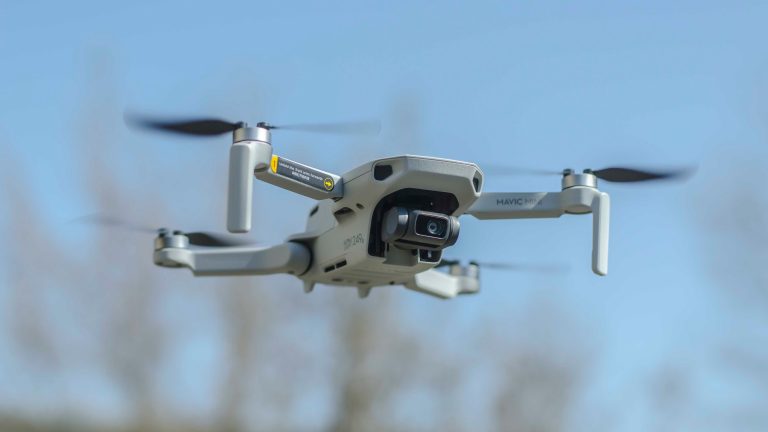
New US tariffs are hitting imported drones this week, up to 100 percent on certain models and 25 percent on many smaller consumer units, and DJI’s entire US lineup, from the $139 Neo to the Air 3S, sits directly in the blast radius.
What The Tariffs Actually Say
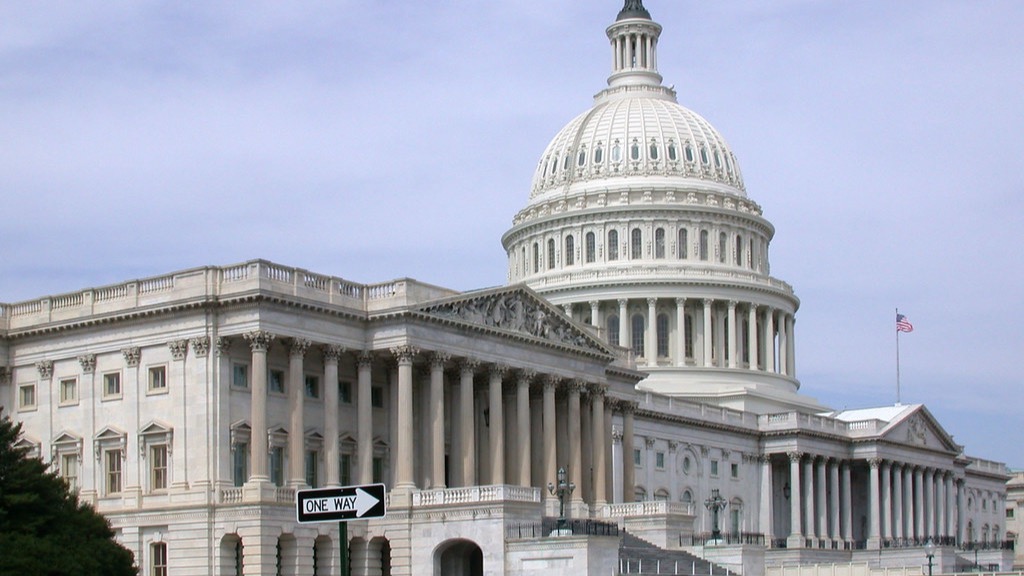
Per the White House’s own fact sheet on the proclamation, the tariff structure is tiered by weight and capability, not a flat number. Drones over 25 kilograms or built with thermal imaging and docking-station hardware get hit with a 100 percent tariff. Smaller consumer drones without those security-sensitive features, the category most of DJI’s US catalog falls into, get 25 percent. Drones sourced from allied nations, the EU, Japan, South Korea, Switzerland, Taiwan, get a reduced 15 percent rate, and UK-sourced drones get 10 percent, both contingent on meeting domestic-sourcing requirements. The administration’s stated justification treats drones as, in its own words, “a key technology in modern armed conflict,” with foreign-made components framed as a cybersecurity and national security risk rather than a trade issue. DroneDJ’s Ishveena Singh, who’s been tracking the pricing fallout closely, reported that retailers are currently still selling through inventory that was imported before the new duties took effect, which is why current sticker prices don’t yet reflect what’s coming. That’s a narrow, temporary window, not a new normal.
The Discounts You’re Seeing Are A Clearance Sale
Right now, ironically, some DJI prices look great. The DJI Neo is down to $139, its Fly More Combo has dropped 32 percent to $239 from $449, the Neo Motion Fly More Combo is at $369, the Air 3S is running about 10 percent off, the Flip is discounted 21 percent, and the Mini 3 is seeing heavy markdowns. None of that is DJI getting generous. It’s retailers moving pre-tariff stock before the new duty structure applies to the next shipment. Once that inventory clears, industry expectations point toward those import costs landing directly on consumer prices, though retailers haven’t published specific new numbers yet.
This Is A Second Front, Not The Same Fight
It’s worth being precise about what this is and isn’t. The FCC’s ongoing push to restrict DJI hardware over national security concerns is a separate track, one about whether DJI drones can be sold or operated in the US at all. Tariffs are a different mechanism entirely, a cost applied at the border regardless of the security debate, and they hit every drone importer, not just DJI. But for a working shooter, the practical effect stacks the same way either policy would: DJI gear, currently the default choice for a huge share of aerial video and documentary work, is getting more expensive or more restricted from two directions at once, on two completely separate timelines. It’s also worth noting the tariff structure isn’t purely anti-China. Allied-nation manufacturers get meaningfully lower rates, so a drone built in the EU, Japan, or Taiwan is explicitly cheaper to import than an equivalent Chinese-made unit going forward, which is a real incentive for buyers to start looking past DJI even if the FCC fight never fully resolves.
What This Means If You Actually Fly For Work
If a drone purchase has been sitting on your gear wishlist, the current discount window is closing, not opening. Buying pre-tariff inventory now is a genuinely rational move if you were going to buy anyway. Waiting for prices to drop back down is not, because the pressure here only moves in one direction. For production budgets built around DJI as the assumed aerial platform, this is one more reason to start pricing out alternatives now instead of after the next invoice comes in higher than the last one. Gear costs are never just a shopping problem, they shape what kind of shots get greenlit in the first place, and that math just got a little worse for anyone who needs to fly.
Sources: DroneDJ, The White House