Angh, the debut feature from Nagaland filmmaker Theja Rio, was shot entirely on 16mm film, and that choice just earned its cinematographer, Adam Pietkiewicz, the TIFF Variety Artisan Award at this year’s Toronto International Film Festival. The film is the sole Indian entry in TIFF’s 2026 Platform competition, whose winner now qualifies automatically for the International Feature Film category at the Academy Awards, and it makes Pietkiewicz’s festival debut a genuinely high-stakes one for a format most productions abandoned a decade ago.
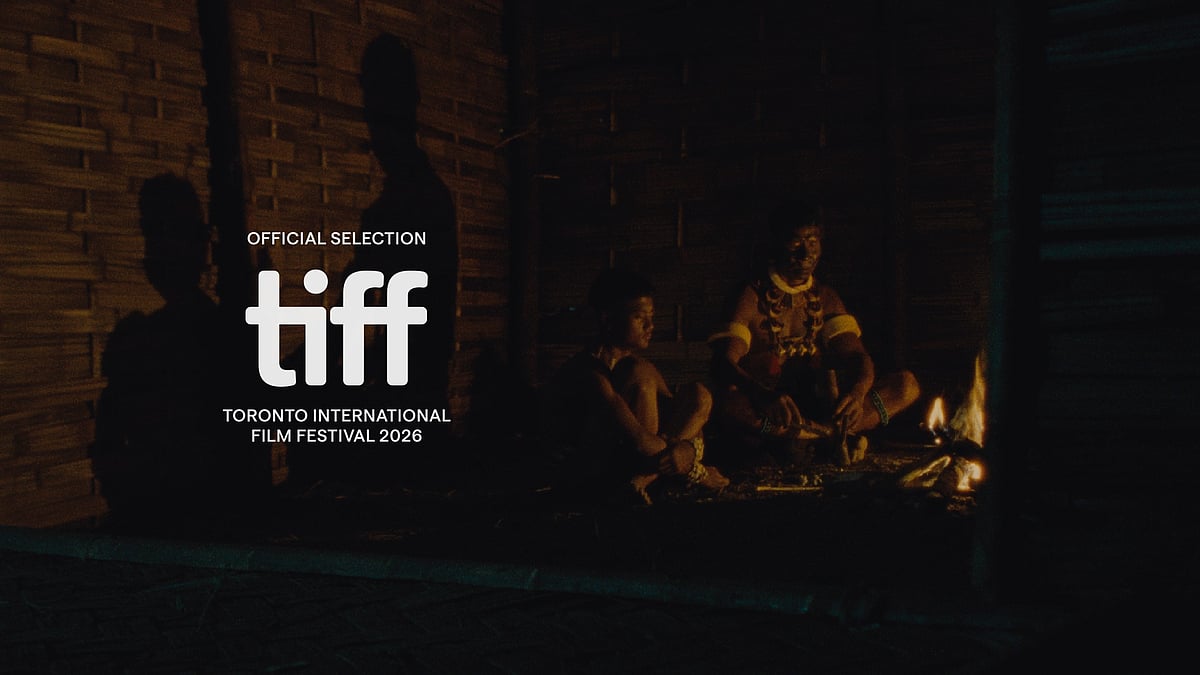
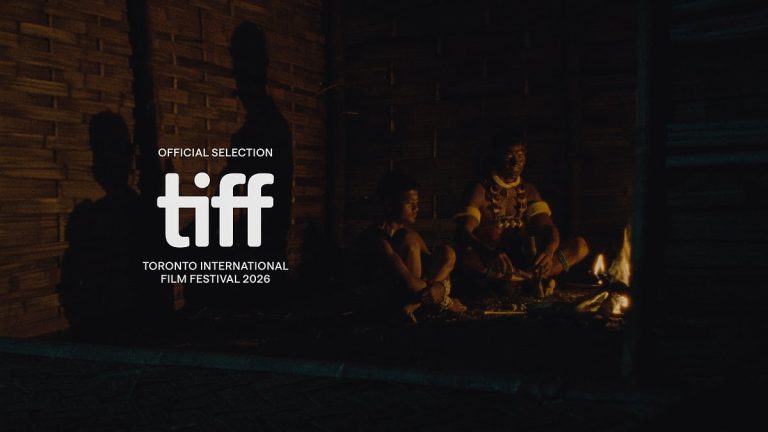
Image: A still from Angh (2026), courtesy Winter Hymns Films, Undercover Squirrel, and Jungle Book Studio, via The Hollywood Reporter India.
A Format Chosen for the Story, Not the Look
Angh is set in a remote Konyak Naga village in 1960s Nagaland, following the last chief of an abandoned community as the arrival of an American missionary, played by “Shetland” star Douglas Henshall, forces a reckoning between tradition and conversion. Pietkiewicz and Rio settled on 16mm early, and the cinematographer is direct about why it wasn’t a nostalgia move: “We both knew this format was a great idea for this kind of story. It perfectly reproduced color and added to the grainy look of the film.” Rio backs that up from the director’s chair, crediting the format with grounding the whole picture: “His choice to shoot the film on 16mm and the way he approached light, texture and space brought a remarkable sense of authenticity to the film.”
That’s the part worth sitting with before writing this off as another period piece leaning on grain for cheap authenticity. Pietkiewicz, whose background is in documentary and street photography before formal training at the Krzysztof Kieślowski Film School and the National Film and Television School, has said cinematography for him is “always about finding a visual language that serves the story” — and on Angh, that language depended on Rio’s freedom to let him “explore and translate that world through the camera,” not on 16mm being the trendy choice at the moment.
Firelight Wasn’t Enough to Meter
The real test of that commitment came at night. Nagaland’s shoot locations didn’t have reliable electricity, which meant the production’s night sequences had to be lit largely by practical firelight rather than a generator-fed rig. Pietkiewicz found out fast that atmosphere and exposure are not the same thing: “Firelight wasn’t enough; it didn’t give me enough exposure on my light meter during tests.” That’s not a small problem on 16mm, where the stock itself is already working with less light-gathering area than 35mm or a modern digital sensor.
The crew mixed formats to manage it, pairing Kodak’s Vision3 250D for daylight work with the faster Vision3 500T for low-light and night scenes, shot through Arri cameras with Ultra Prime lenses. That’s a standard combination for productions trying to stretch a 16mm budget across wildly different lighting conditions, but it’s still a real technical bet: 500T pushed hard in near-dark firelight is exactly the kind of choice that produces the coarse, characterful grain a story about a dying way of life can actually use, rather than fighting against.
Why a Festival Artisan Award Is Worth an Editor’s Attention
It’s easy to read a cinematography award out of TIFF as festival-circuit noise that has nothing to do with anyone cutting or grading footage for a living. Angh is a useful counterexample. This is a working DP choosing film over digital for a specific, arguable reason — texture and color response that serve a story about erosion and memory — and then solving the actual, unglamorous problem that choice created once the sun went down. Nothing about it involved a LUT promising to fake the result afterward.
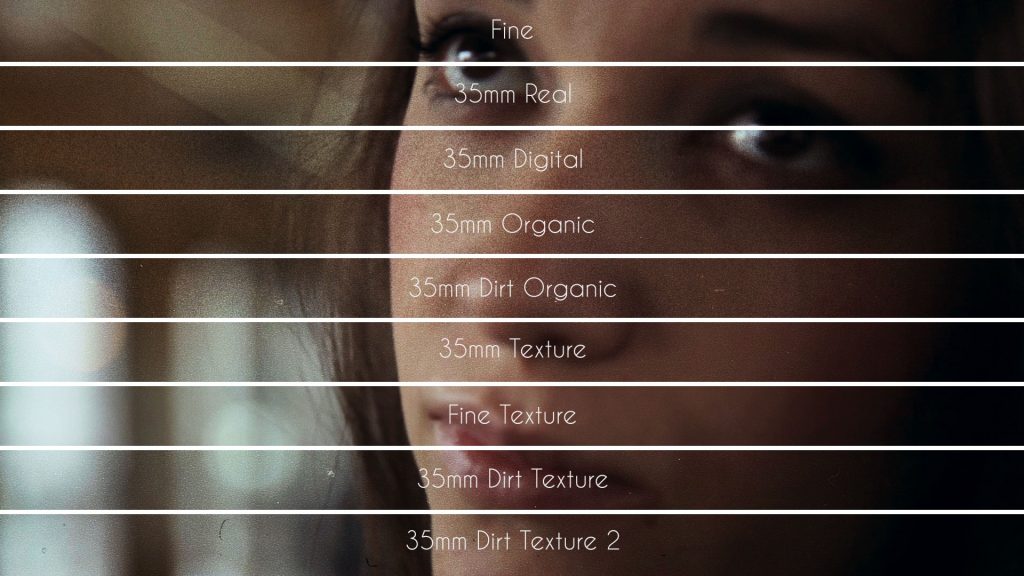
That’s worth remembering the next time a “35mm look” preset gets dropped onto a digital timeline in one click. Pietkiewicz got his grain by underexposing a stock in real firelight and living with the consequences. The texture people are going to be talking about at TIFF this week was earned the hard way, and that’s exactly why it reads as real.
Sources:
- Variety — “‘Angh’ Cinematographer on the Film’s Challenging Nighttime Sequences”
- The Print (via Variety) — “‘Angh’ Cinematographer Adam Pietkiewicz to Receive TIFF Variety Artisan Award”
- Wikipedia — “Angh (film)”
- The Hollywood Reporter India — “Angh: Theja Rio’s Nagaland-Set Feature Becomes Sole Indian Entry in TIFF 2026 Platform Competition”