A panel at this year’s Venice Production Bridge put a name to something a lot of below-the-line crew have felt for decades: the industry’s obsession with the director as sole author has quietly erased the people who make the film happen. The panel, titled “Recognising the Creative Contribution of Producers,” marked the one-year anniversary of a European Producers Club campaign built to push back on exactly that, and the people on stage weren’t shy about naming the mechanism.
The Complaint Isn’t About Ego, It’s About Credit
Ada Solomon, chair of the European Film Academy and a working Romanian producer, put the underlying belief system in blunt terms during the panel: “The mindset is that Mrs or Mr Director, you are god, you are the creator.” That’s auteur theory in one sentence, the idea that a film’s creative center of gravity belongs to one person standing behind the camera, and everyone else, including the person who financed it, staffed it, and shaped it into something releasable, is support staff. Tricia Tuttle, director of the Berlinale, pushed on the framing itself: “A filmmaker is the collective group of people who make a film together. A director is a role, a producer is a role.” Neither of them was arguing that directors don’t deserve credit. They were arguing that the credit system stops at one name when a film is, mechanically, the product of many.
A Year-Old Campaign With a Specific Target
The panel wasn’t a one-off gripe session, it was a checkpoint. Producer Carlo Cresto-Dina of Tempesta, who’s been fronting the European Producers Club’s push, described the goal as “understanding, recognising, and then protecting the function” of producers specifically, not just in prestige and awards conversations but in how films get written about day to day. That’s where Ahmed Shawky, president of FIPRESCI, the international federation of film critics, put the responsibility back on his own profession. He pointed at the mechanics of a standard festival review, where a critic gets maybe 400 words to cover a film and burns a chunk of that space just listing names before ever getting to analysis: “You don’t need to waste 100 words of your 400-word piece to just mention the names.” His point was sharper than it sounds. If a producer’s contribution never survives the editing pass on a review, the reader never learns there was a contribution to notice in the first place.
This Complaint Sounds Familiar to Anyone Cutting a Film
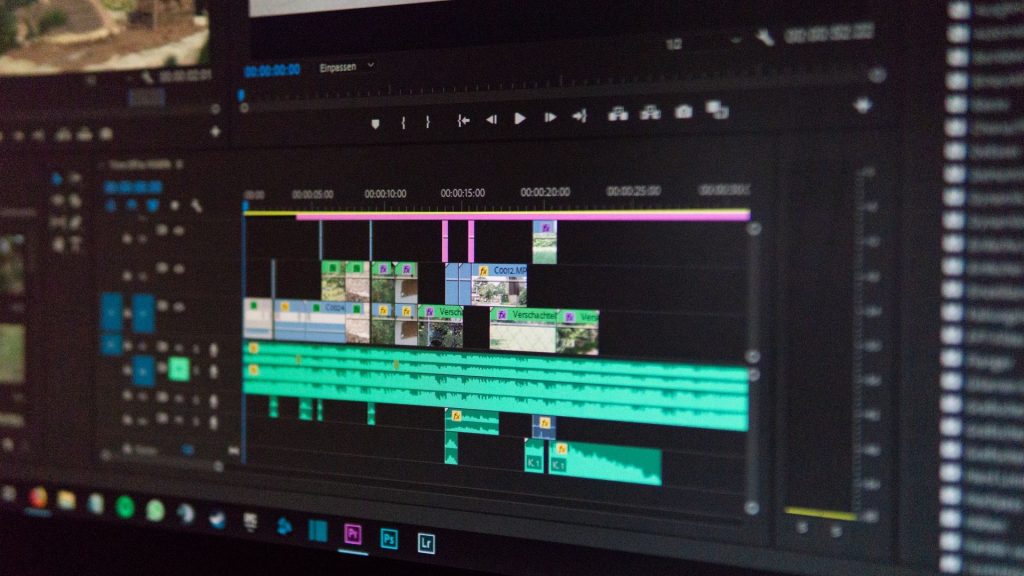
Editors will recognize the shape of this argument even if the specific job title is different. The same auteur logic that credits a director for a producer’s financing instincts and crisis management also tends to credit a director for an editor’s pacing decisions, an editor’s structural rescue of a script that didn’t quite work on the page, an editor’s choice of exactly which take sells a scene. Ask most casual moviegoers who “directed” the tension in a thriller’s third act and they’ll name the director. Ask them who actually built that tension frame by frame in an Avid or Resolve timeline, and most won’t know there’s a name to learn. The Venice panel’s complaint about producers is really a complaint about how film culture assigns authorship in general, and editors have been living on the wrong end of that assignment for just as long.
What Actually Changes From a Panel Discussion
Nothing changes automatically, and that’s the honest read here. A panel at a production market is a pressure campaign, not a policy. But Solomon, Tuttle, Cresto-Dina, and Shawky weren’t just venting into a festival crowd, they were naming the specific choke points, award ceremony language, festival program copy, review word counts, where recognition either gets written in or quietly left out. That’s a more useful target than “the industry should value producers more.” It tells festivals and outlets exactly what habit to break.
Craft Doesn’t Announce Itself
The uncomfortable truth underneath this whole panel is that good producing, like good editing, is often invisible by design. A well-financed production doesn’t look dramatic on screen. A well-cut scene doesn’t call attention to its cut points. The people doing that work are judged, fairly or not, by how little friction the audience notices, which is exactly why their names are the easiest ones to leave out of the sentence. Fixing that isn’t about inflating credits, it’s about a film industry, and a film press, actually naming who did the work.
Sources: