Cinema St. Louis will no longer accept films made with generative AI at its two signature festivals, starting with 2027 submissions. The new rule, announced August 27, bans any film that used text-prompt tools to create images or sound as part of its creative content, whether that’s a background, a voice, or an entire performance. The policy exists because of one 12-minute short that split the city’s filmmaking community in half.
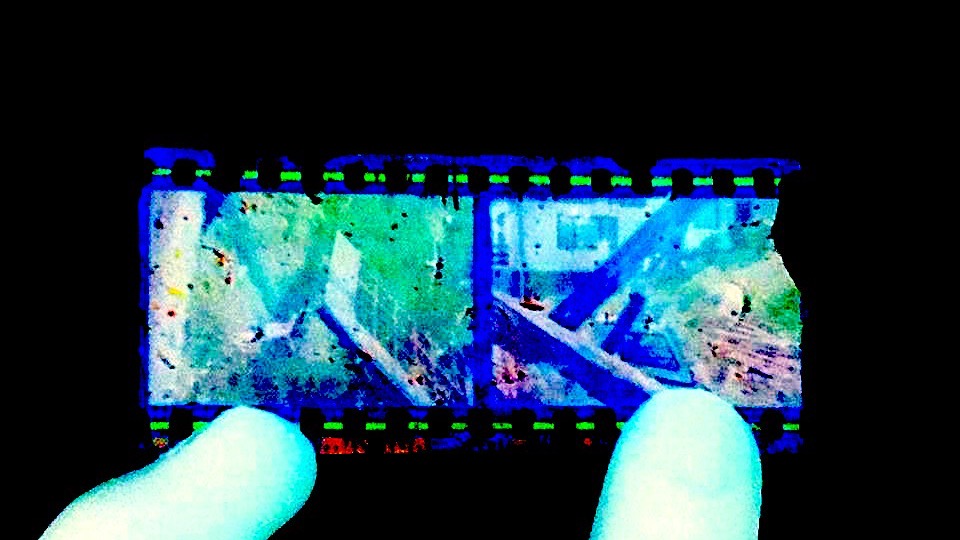
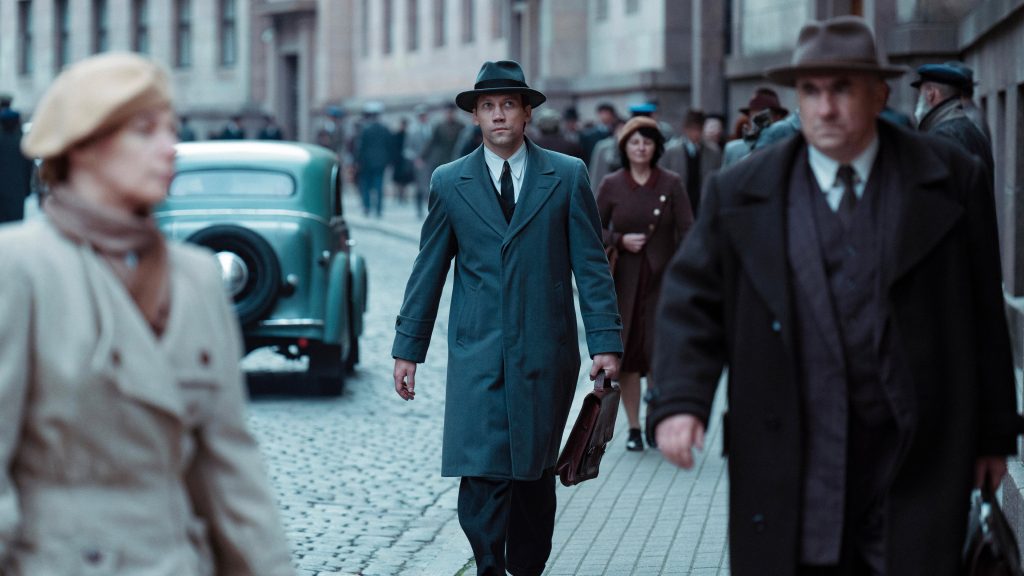
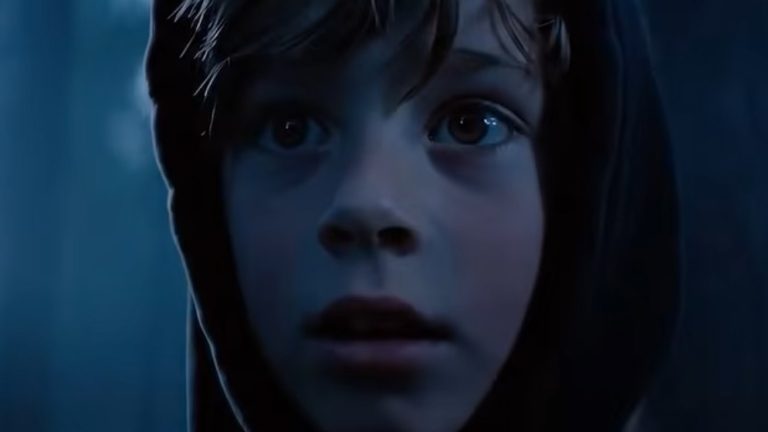
Image: A still from “Anomaly” by Jack Snyder, via St. Louis Public Radio.
The Film That Forced the Question
That short is “Anomaly,” a sci-fi piece by St. Louis filmmaker Jack Snyder. Snyder wrote the screenplay, directed human voice actors, and edited the thing together like any other short. But every frame of visual imagery in it came out of a generative AI tool, not a camera. When it screened at the St. Louis Filmmakers Showcase, the reaction wasn’t quiet disagreement, it was an actual withdrawal: one filmmaker pulled their own submission from the showcase in protest of “Anomaly” being programmed alongside it. Cinema St. Louis didn’t try to smooth that over. It scheduled a public screening and panel at the Hi-Pointe Theatre and let the argument happen out loud.
Snyder, for his part, seems to have wanted exactly that. “I’m grateful that Anomaly helped start a serious conversation about where AI belongs in filmmaking,” he said afterward. That’s a more generous response than most filmmakers give when their work becomes the test case for a new rule that will end up excluding films like it.
Where Cinema St. Louis Actually Drew the Line
The policy’s real substance is in what it doesn’t ban. Emmett Williams, Cinema St. Louis’s Festival Curation and Education Director, put the distinction in blunt, specific terms: “When you create that shirt out of nothing, that is what is not allowed.” AI tools embedded in ordinary editing software, the kind that changes an object’s color or cleans up a shot, stay fair game, because as Williams noted, that kind of use is “nearly impossible to police and nearly impossible to avoid” anyway. The line isn’t “did AI touch this file,” it’s “did a generative model manufacture the content.” Filmmakers also now have to disclose any AI use when they submit, so the festival isn’t relying on someone noticing.
That’s a more workable standard than an outright AI ban would have been, and it’s one a lot of working editors already operate by instinctively: cleanup, color, and stabilization are tools; a text prompt generating a shot that was never filmed is something else. Paul Hubbard, who runs the genre-focused Hysteria Fest, wasn’t shy about where he landed on “Anomaly” specifically: “It’s a cheap shortcut that’s actually going to make your film worse.” Not every festival organizer in town agreed on the aesthetics, but the policy Cinema St. Louis landed on doesn’t require them to. It just requires a filmmaker to say what they used.
A Small Festival Doing What Cannes Already Did
St. Louis isn’t inventing this fight. Cannes already ruled generative AI-driven work ineligible for its Official Competition, and SXSW and Tribeca both require disclosure rather than outright bans. What makes the St. Louis version worth paying attention to is scale: this isn’t a global A-list festival setting policy from a distance, it’s a regional showcase working the question out because a local filmmaker’s short actually forced the issue in a room full of people who know each other. Jack Snyder said it himself, and it’s the most honest line in the whole story: “Where is that line? I don’t know where that line is, but I’m excited for somebody to yell at me and tell me where it is.” Cinema St. Louis just told him.
The 2026 International Film Festival, already programmed before the policy landed, isn’t affected. But every submission after this one now has to answer a question that used to be optional: what, exactly, did a machine make, and what did a person actually shoot.
Sources: