The Motion Picture Editors Guild’s own ranking of the 75 Best Edited Films isn’t a critics’ poll or an audience vote. It’s what happens when you ask professional editors, the people who actually push footage around a timeline for a living, to name the cuts that changed how they think about their own work. The guild published the results in its journal, CineMontage, and the list is still the closest thing the industry has to its own canon, separate from the Oscars it hands out every year.
Working Editors Don’t Vote Like Critics
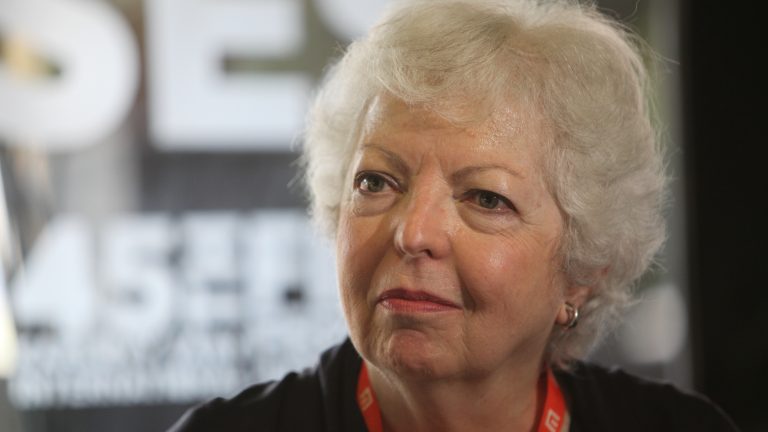
When the two lists agree, they agree hard. StudioBinder’s own ranking of the twenty Oscar-winning editing jobs, compiled by writer Sam Kench, puts Anne V. Coates’s work on Lawrence of Arabia and Thelma Schoonmaker’s work on Raging Bull at the very top, same as the guild. But the guild’s members reached well past the Academy’s winners’ circle. Citizen Kane, Bonnie and Clyde, Pulp Fiction, Fight Club, Psycho and Mulholland Dr. all sit deep in the guild’s 75, and not one of them ever won the editing Oscar. That gap says something: editors care less about who took home a statuette than about which specific decisions on a timeline actually changed how a scene plays.
The Most-Cited Name Nobody Quotes
Scroll the full 75 and one name turns up more than Schoonmaker’s: George Tomasini, credited on four entries, Rear Window, Vertigo, North by Northwest and Psycho, all cut for Alfred Hitchcock. Tomasini was nominated for an Academy Award exactly once, for North by Northwest, and lost to the editors of Ben-Hur, a film that also made the guild’s own list, ranked twenty-nine spots higher. He died of a heart attack the year Marnie came out, his ninth and final film with Hitchcock, and none of the director’s later pictures made this list. The Academy mostly moved on from him. The guild’s own membership didn’t.
Six Editors, One Editor, and What Consensus Actually Costs
The list’s strangest data point is The Fugitive, credited to six editors, Dan Brochu, David Finfer, Dean Goodhill, Dov Hoenig, Richard Nord and Dennis Virkler, stitching together a chase picture that was still being reshot while it cut. Fourteen years later, The Bourne Ultimatum made the same guild list with a solo credit: Christopher Rouse won the Oscar for turning handheld chaos into something a viewer could actually track shot to shot, no committee required. Both approaches earned a spot. The lesson for anyone cutting today isn’t that more hands make a cleaner cut, it’s that clarity is the actual job, however many people it takes to get there.
What Still Plays Right Now
Anne V. Coates appears on the guild’s list twice, thirty-six years apart, and that gap is the whole argument for watching her work over almost anything else here. Lawrence of Arabia gives her the textbook cut, a blown-out match dissolving straight into a desert sunrise, compressing years of story into a single frame change. Decades later, on Out of Sight, she and Steven Soderbergh built a rhythm out of match cuts and freeze frames that plenty of editors are still borrowing from without knowing where it started. Neither cut needs the plot explained to land, and that’s the actual test this list applies, whether or not the Academy noticed at the time.
A ranking voted by the people who actually do the cutting was never going to match the Oscars or anyone’s favorite critic’s top ten, and that gap is the most useful thing about it. It’s a reminder that the cut nobody nominated might be the one every editor since has quietly stolen from.
Sources:
CineMontage / Motion Picture Editors Guild, “The 75 Best Edited Films,” May 1, 2012
Jordan Raup, The Film Stage, “The 75 Best-Edited Films of All-Time, According to Editors,” February 6, 2015
Sam Kench, StudioBinder, “Academy Award For Best Film Editing — Top 20 Winners Ranked,” January 2, 2022
Wikipedia, “George Tomasini”
Wikipedia, “Christopher Rouse (film editor)”