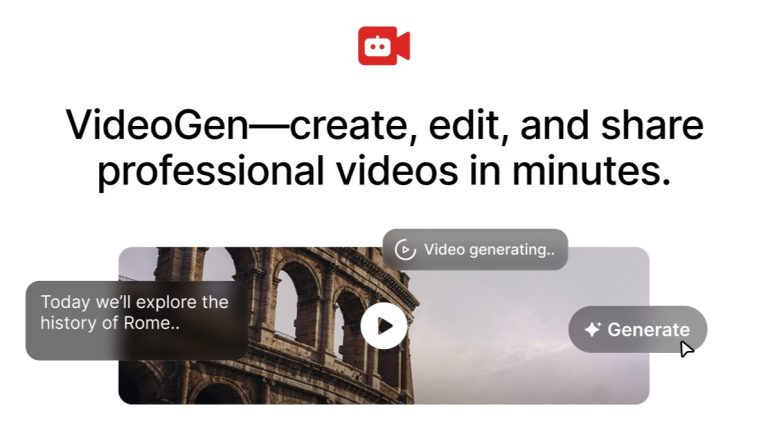
Image: VideoGen, via videogen.io
VideoGen, a Y Combinator-backed startup in San Francisco, has unveiled Model 1, a video generator it says turns a text prompt or a set of images into a finished, multi-shot video up to ten minutes long. Access is limited to private partners for now, with general availability to follow after more safety testing, according to the company’s announcement.
That announcement is the only source so far. I could not find public demo footage, independent benchmarks or final pricing, so everything below is what VideoGen claims, not what anyone has tested.
What VideoGen Says Model 1 Does
Most video generators hand you a clip. VideoGen is pitching something closer to a director and an assembly editor in one box. The company says Model 1 develops the screenplay, dialogue, shots and pacing itself, then carries context across scenes so characters, locations, visuals and audio stay consistent. Planning, audio and video generation, and assembly all happen in one workflow.
You can start from a text prompt or supply up to 16 reference images. Sound is generated with the picture rather than bolted on afterward, which VideoGen describes as joint audio-video attention.
For an editor, the difference matters. If it works, what lands on your timeline is a cut, not a bin of takes. You would be fixing pacing and continuity instead of choosing between five versions of the same shot.
The Price and Credits Pitch
VideoGen says Model 1 projects will cost more than 50% below comparable models, but it also says final pricing and official benchmarks are still being worked out. Read that as a target, not a rate card.
The company has also opened applications for a pool of $1 million in free credits, with distributions planned through the end of the year. Creators, filmmakers and studios can apply, students and amateurs included, and projects with a realistic plan to get seen are favored.
CEO Anton Koenig framed the pitch around previs: “Lower costs and longer video generation give filmmakers room to work through scenes before they shoot and creators the ability to tell longer stories.”
Guardrails
Model 1 is built to block adult and illegal content, and its output carries invisible synthetic watermarks, per the same announcement. If you deliver to clients or platforms that ask where footage came from, that is worth knowing before you build a pipeline around it.
What an Editor Should Take From This
Ten minutes in a single pass is a big claim, and it is unproven. The more interesting part is what it shifts. When a model can produce an entire sequence, the question stops being “does this shot look good” and becomes “do these shots cut together.” That is an editing problem, and it is the one AI video has been worst at.
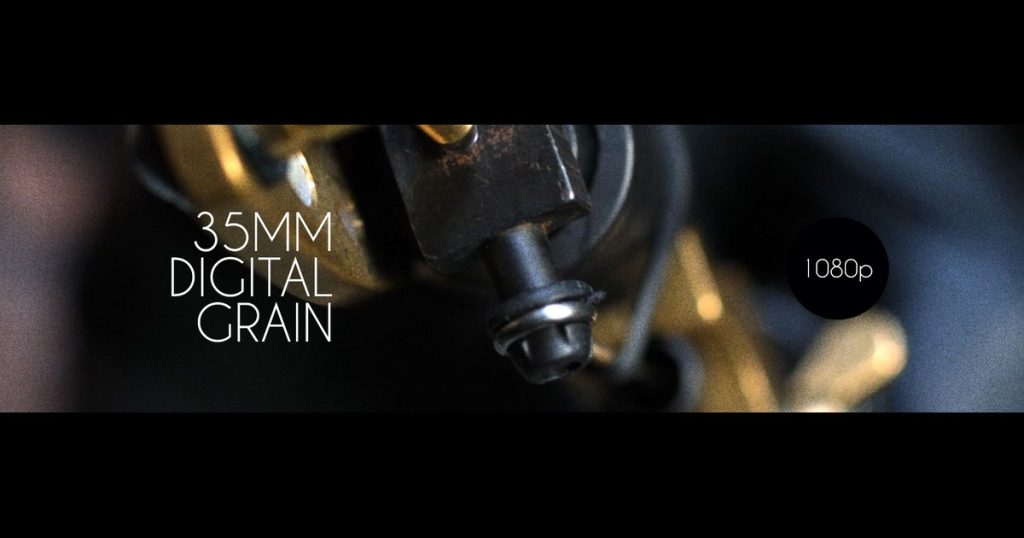
Expect the usual finish work if it ships. Generated footage tends to look smooth and clean, and the quickest way I know to pull it toward something photographic is texture. Real film grain laid over the final grade does a lot of that job, and our guide to real film scan versus digital grain explains why the source of the grain matters. Grainzilla’s real-scan overlays ship as ProRes 422 .mov files, so the fine detail survives your edit; you can also start with the free film grain downloads.
A ten-minute AI film still needs what every ten-minute film needs: someone willing to cut it down to the seven that work.
Sources: VideoGen press release via GlobeNewswire, VideoGen press release via Manila Times / GlobeNewswire syndication, The Outlook Media, VideoGen.