Criterion is releasing Richard Linklater’s Nouvelle Vague on 4K UHD and Blu-ray on September 22, and the disc is worth a look for more than the cast. The film dramatizes the shooting of Jean-Luc Godard’s Breathless, the 1960 debut that gave cinema the jump cut as editors still use it, and the real story behind that technique is better than the myth that Godard invented it out of pure artistic instinct.
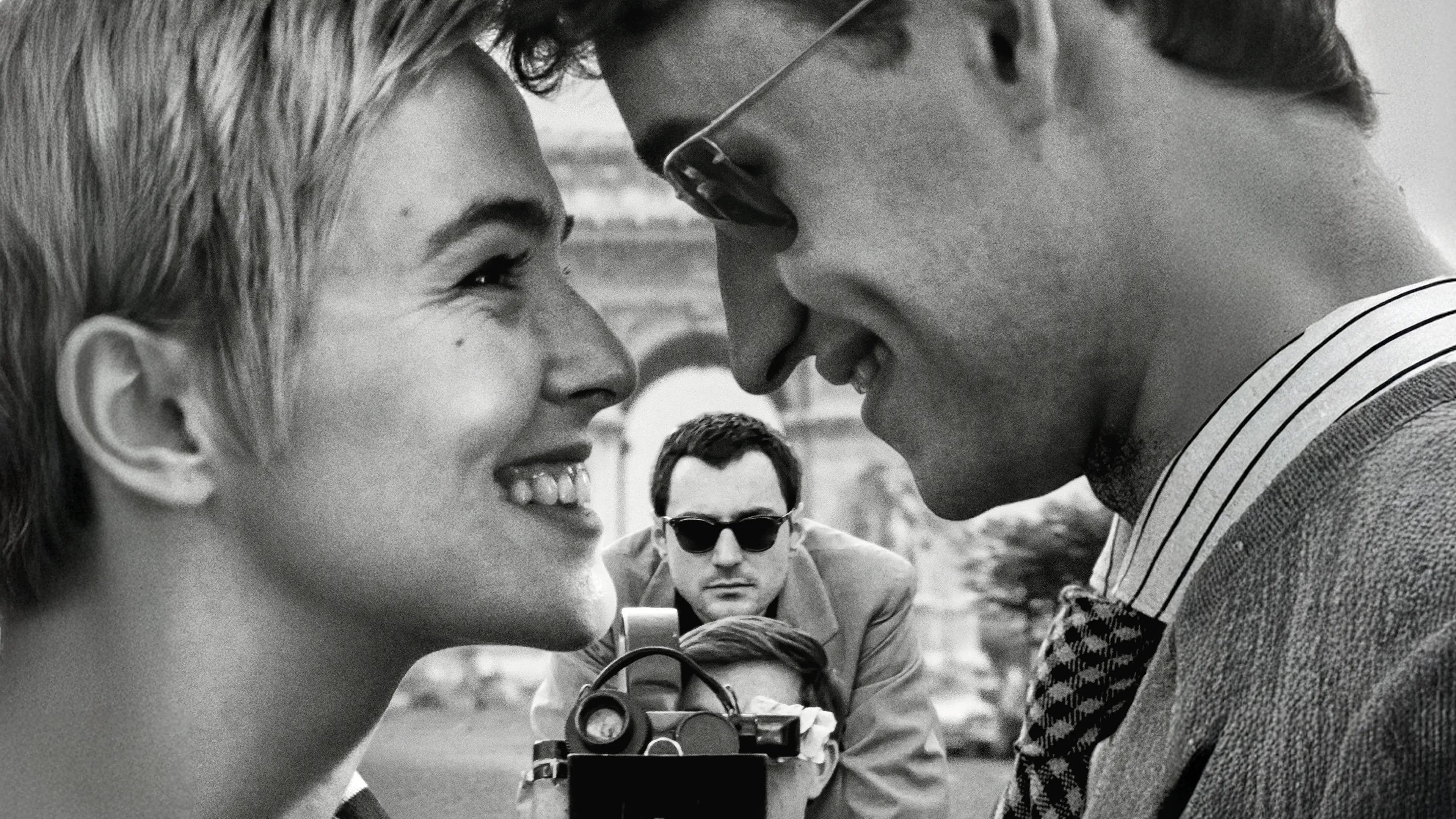
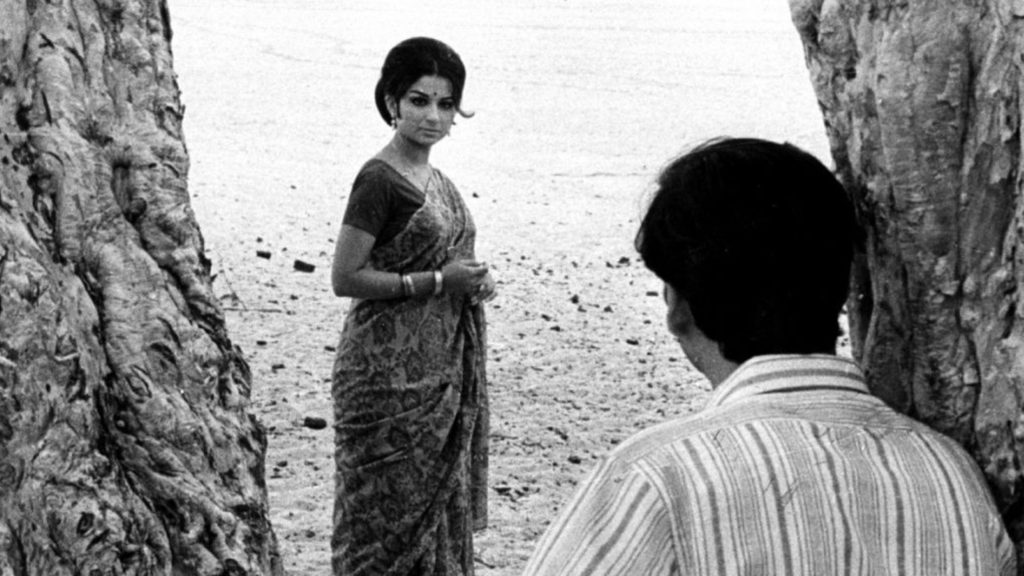
Image: Nouvelle Vague (2025), © Netflix / ARP Productions. Used for the purposes of criticism, review, and commentary under the fair dealing provisions of Section 29.1 of the Canadian Copyright Act (R.S.C., 1985, c. C-42). The image illustrates the editorial analysis above and is not used as a substitute for the original work or for independent commercial exploitation. All copyright in the image and the underlying film remains with its respective rights holders.
A Film About How Another Film Actually Got Made
Nouvelle Vague follows Godard (Guillaume Marbeck), Jean Seberg (Zoey Deutch), and Jean-Paul Belmondo (Aubry Dullin) through the guerrilla shoot of Breathless in Paris in 1959. Linklater and cinematographer David Chambille shot the film itself on 35mm black-and-white stock in the boxy 1.37:1 Academy ratio, the same frame Breathless used, and deliberately layered in digital grain, gate weave, and fine scratches to give the image what reviews have described as the patina of a well-worn archival print. It’s a useful reminder for anyone grading footage today that a convincing vintage look is a specific, engineered set of choices, not a single filter click.
The Jump Cut Was a Fix, Not a Style Choice
The technique that made Breathless famous started as a solution to a contract problem. Godard had shot roughly two and a half hours of footage and was contracted to deliver a 90-minute film, and rather than trim scenes down conventionally, he and editor Cécile Decugis cut directly into shots, removing chunks of a single continuous take and butting the remaining pieces together. Godard was direct about how mechanical the process actually was: “we took all the shots and systematically cut out whatever could be cut, while trying to maintain some rhythm.” Applied to something as simple as Seberg riding in a convertible, the result reads as a jarring, kinetic discontinuity — an effect that would have been considered a mistake in any studio editing room in 1960 and is now a technique taught in film school.
What the New Edition Actually Adds
Criterion’s release isn’t just a rehash of the theatrical cut. It includes a new 4K digital master supervised and approved by Linklater, a new audio commentary from the director, a making-of documentary directed by Lucie Saada, interviews with Linklater and with Deutch, Dullin, and Marbeck, an audiovisual dossier on the real people depicted in the film from critic Farran Smith Nehme, and a reading of Linklater’s own prerehearsal manifesto performed by Deutch. There are essays from critic Nick James and co-screenwriter Vince Palmo, plus a selection of trailers from other French New Wave films. Slant Magazine’s review of the disc called the film “a loving yet biting movie about the making of Jean-Luc Godard’s seminal Breathless,” a fair description of a project that’s simultaneously a tribute and a mild tweak of its subject’s ego.
The Lesson That Outlasts the Trivia
It’s tempting to file the jump cut story under fun historical footnote, but the more useful takeaway is what it says about constraint. Godard didn’t set out to invent a technique that would show up in film textbooks for the next six decades; he set out to solve a runtime problem quickly, and the solution happened to be more alive than a conventional cut would have been. Linklater’s film, and Criterion’s disc, both treat that as the real subject: not a genius having an idea, but a filmmaker under pressure making a fast, blunt decision that worked.
Every “invented on set out of necessity” story in film history deserves that same skepticism about the myth, and that same attention to the mechanics. Breathless earned its reputation the hard way, one cut at a time.
Sources:
- Wikipedia — “Nouvelle Vague (2025 film)”
- Screen Anarchy — “Criterion in September 2026: The Secret Agent, Richard Linklater’s Nouvelle Vague, Three Films by Leos Carax”
- Slant Magazine — “Nouvelle Vague 4K UHD Blu-ray Review: The Criterion Collection”
- No Film School — “What Jean-Luc Godard’s ‘Breathless’ Can Teach You About Jump Cuts & Editing”
- The Criterion Collection — Nouvelle Vague (2025)