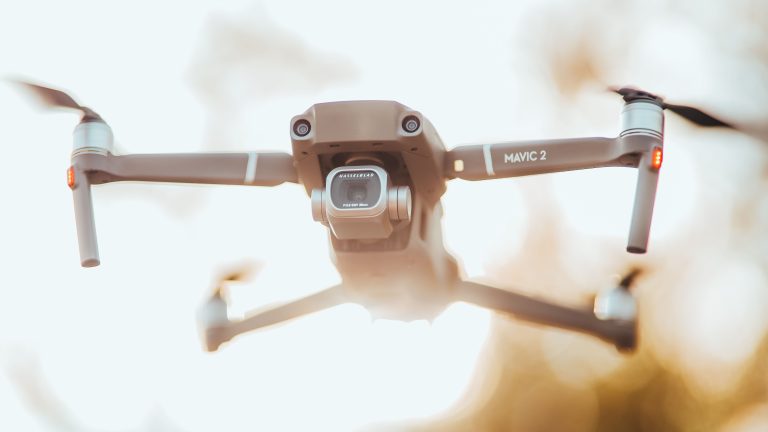
The FCC’s proposal to retroactively ban DJI drones already approved and sold in the United States has cleared its public comment window, and the outcome now sits with an agency that has already tipped its hand. This isn’t a proposal to block future DJI products. It targets drones already sitting in gear bags and production trucks.
What The FCC Is Actually Proposing
DJI landed on the FCC’s Covered List after a congressionally mandated security audit simply failed to happen on schedule, triggering an automatic prohibition the company never got to contest, according to PetaPixel’s Jaron Schneider. The current proposal goes further than that original listing: it would strip import and marketing authorization from DJI models the FCC had already cleared and sold for years, not just new releases. The agency’s own language is blunt about the reasoning. “Given that these devices have been found to pose unacceptable national security risks, the FCC tentatively concluded there were strong national security reasons to do so,” the Commission stated, per Schneider’s reporting.
The Drones Caught In The Net
The proposal defines seven categories as effectively military-grade: aircraft weighing 55 pounds or more, aerosol dispensers, thermal imaging, LiDAR sensing, docking stations, defense-payload integration, and swarming capability, according to DroneXL’s Haye Kesteloo. That list sounds like it’s aimed at heavy industrial or defense hardware, until you look at what actually carries those sensors. Kesteloo names the DJI Air 3S, Mini 5 Pro, Avata 360, and the 151-gram Neo 2 as drones that would get swept in, entirely because of the obstacle-avoidance LiDAR built into consumer models people fly for real estate walkthroughs, wedding coverage, and B-roll. “The Commission never reconciles the two,” Kesteloo writes, pointing at the gap between a rule framed around military capability and a criteria list that catches recreational sensors doing the same job as a car’s parking assist.
DJI’s Pushback
DJI’s public objection, as Schneider reports it, is that the definition is broad enough to catch tools used by “first responders, farmers, infrastructure inspectors, small businesses, and hobbyists,” a list that includes plenty of working video crews who never touch a defense contract in their careers. Kesteloo frames the proposal’s other half just as sharply: alongside the ban sits a 180-day wind-down window for foreign hardware and explicit protection carved out for American drone manufacturers, which he characterizes as “industrial policy wearing a security badge.” Whether or not that’s the FCC’s actual intent, it’s a fair description of the effect. A retroactive ban on already-approved gear doesn’t just block a future purchase, it devalues equipment people already own and budgeted for.
What This Means For Working Shooters
Nothing about this is finalized. A closed comment period is a procedural step, not a ruling, and the FCC still has to weigh what it received before issuing any order. But the drones named here aren’t niche mapping rigs. They’re the same aerial cameras plenty of solo shooters and small production companies fly on ordinary jobs, precisely because obstacle avoidance is what keeps a $1,000 aircraft out of a tree on a rushed shoot day. If the FCC follows through anywhere close to the proposal as written, the practical result isn’t a defense-industry story. It’s editors and DPs who bought a drone in good faith discovering the FCC decided, after the fact, that owning it was the problem.
Gear regulation rarely stays a gear story for long. It becomes a workflow story the moment a crew has to replace hardware they already trusted, on a timeline they didn’t choose, for reasons that have nothing to do with how well the footage cut together.
Sources: