Christopher Nolan’s The Odyssey landed at the top spot of Letterboxd’s official September Report 2026, the community’s monthly ranking of the year’s 25 highest-rated films with at least 25,000 ratings. That’s a real, current, updated-this-week list, and it’s worth pausing on the film sitting at #1 for one reason that has nothing to do with plot or performance: parts of The Odyssey are still cut, physically, with a blade and a glue pot, at the only lab left on Earth set up to do it.
The Only Lab Still Doing This
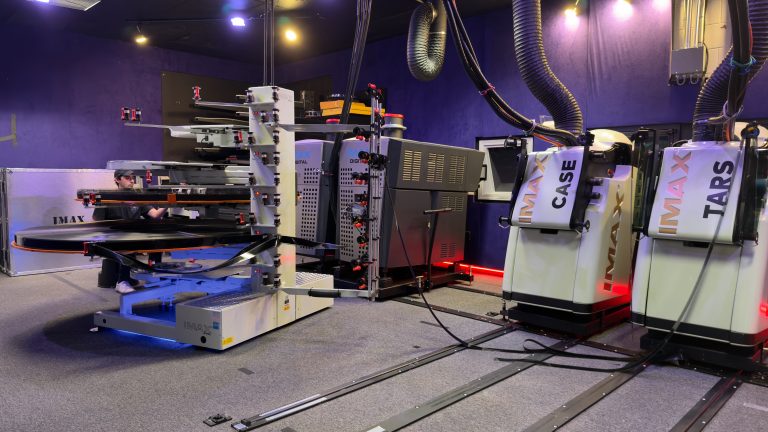
The Odyssey is the first feature ever shot entirely on IMAX film cameras, and Nolan shot roughly 2 million feet of 15-perf 65mm negative to make it. Editor Jennifer Lame and her team cut the film digitally first, the normal modern workflow, but for true 70mm IMAX presentation, that digital cut then has to get physically rebuilt from the original negative, splice by splice, at FotoKem in Burbank, the last facility in the world still equipped to produce 70mm prints at this scale. CBS’s 60 Minutes filmed the process: a negative assembly technician joining two pieces of negative with a glue pot and an old-school splicing machine, one cut at a time, for a film with thousands of them.
Nolan Watching His Own Movie Get Spliced
What makes the 60 Minutes footage worth seeking out isn’t the novelty, it’s Nolan’s own reaction to watching someone else’s hands do work that, on a digital timeline, he could undo with a keystroke. “It makes me nervous just watching him,” he told Scott Pelley, before adding: “Every cut in the film, and there are thousands of cuts in the film, is done this way, by hand.” He’s explicit that the appeal isn’t nostalgia: “You see the skill involved, and the care that’s taken with it. And, yeah, it’s a really marvelous thing to see, in this age of digitization, AI, all the rest. This is a human process, an analog process.” PetaPixel’s Matt Growcoot, who separately covered the footage, quotes Nolan on why the format itself matters beyond the ritual of cutting it: “Film sees very much the way the eye sees. Particularly the way it sees color, the way it sees grays and blacks and whites, it’s a really good way of approximating the way our eyes see.”
Lame’s Job Was Never the Splicing
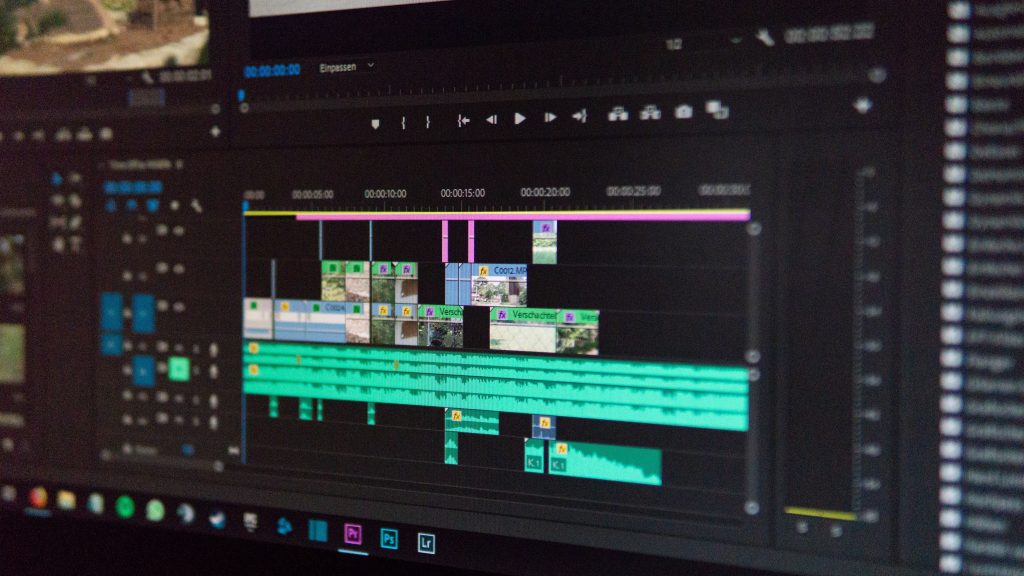
It’s worth being precise about what’s actually being romanticized here. Jennifer Lame, cutting her third Nolan film after Tenet and her Oscar-winning work on Oppenheimer, made every real editorial decision digitally, the same way any editor would. Corey Atad’s profile of Lame for Filmmaker Magazine describes an editor who thinks in emotional logic rather than pure continuity, tracing back to her approach on Manchester by the Sea: “Every time we switch timelines, it has to be incredibly emotional.” That discipline, deciding what a cut means to an audience before it exists at all, is identical whether the output ends up on a hard drive or spliced into a physical reel. The hand-cutting at FotoKem isn’t editing. It’s manufacturing, executed with real craft, downstream of decisions Lame already made on a screen.
Worth Remembering Next Time You Reach for a Grain Preset
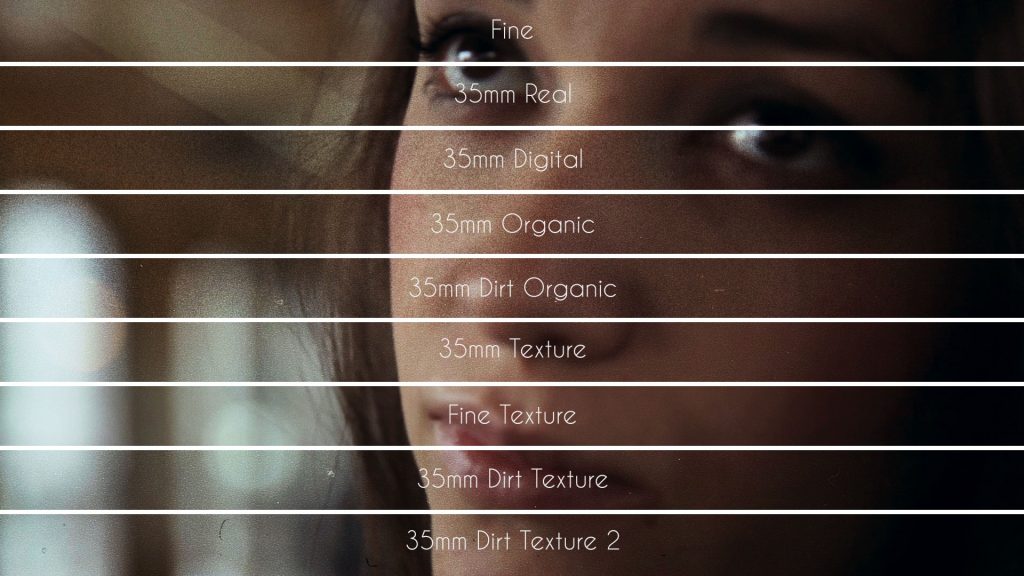
Nolan’s whole argument for shooting and finishing on film comes down to what he calls “analog color, infinite gradations” that digital capture still approximates rather than replicates. Most editors will never touch a frame of 65mm negative, let alone watch a technician glue two pieces of it together. But the instinct behind it, that a slightly imperfect, physically real image carries information a clean digital one doesn’t, is the same reason scanned 35mm grain gets layered back onto digital footage instead of left out. Grainzilla’s own 4K 35mm Real Film Grain texture exists for exactly that reason: most productions can’t shoot IMAX film, but almost any of them can put real film’s imperfection back into the image on purpose.
Letterboxd’s users didn’t rank The Odyssey #1 this month because of how it was spliced. But the fact that a $250 million studio tentpole in 2026 still runs through a glue pot on its way to a handful of theaters says something about what a real image is still worth, even in a year when generating one from scratch has never been easier.
Sources:
- Letterboxd — “September Report 2026: Top 25 Films of the Year So Far”
- CBS News / 60 Minutes — “Why Christopher Nolan Shot ‘The Odyssey’ Entirely on IMAX Film”
- PetaPixel — Matt Growcoot, “Watch the Glorious Way Christopher Nolan Cuts Scenes in ‘The Odyssey’ Using Literal Scissors”
- Filmmaker Magazine — Corey Atad, “Weaving ‘The Odyssey'”
- Wikipedia — “The Odyssey (2026 film)”
Image: Reels of The Odyssey’s IMAX 70mm negative, photo by Wikimedia Commons contributor WMrapids, CC0 1.0 Public Domain Dedication.