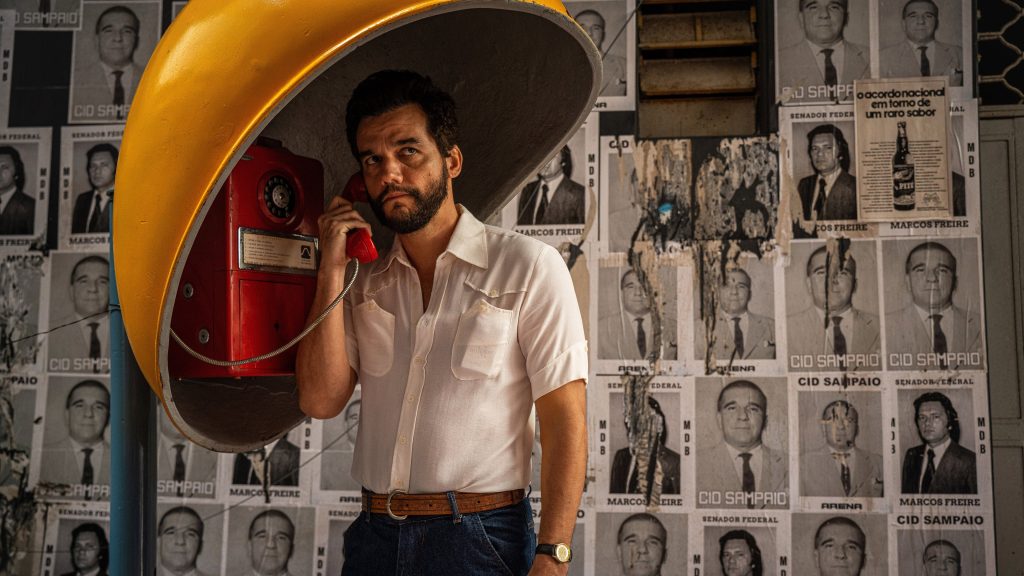
Empire’s critics ranked “Nirvanna the Band the Show the Movie” eighth on their list of the best movies of 2026 so far, and singled out one specific thing: how it “interweaves footage shot way back in 2008 into present-day scenes.” That’s underselling it. Matt Johnson and Jay McCarrol spent seventeen years accidentally building an archive of themselves as broke twenty-somethings, then built an entire feature film around actually using it, cutting real 2008 handycam footage of their younger selves against new footage shot in 2025, in the same frame, telling one continuous story. It’s a time-travel comedy where the time machine is the editing room.
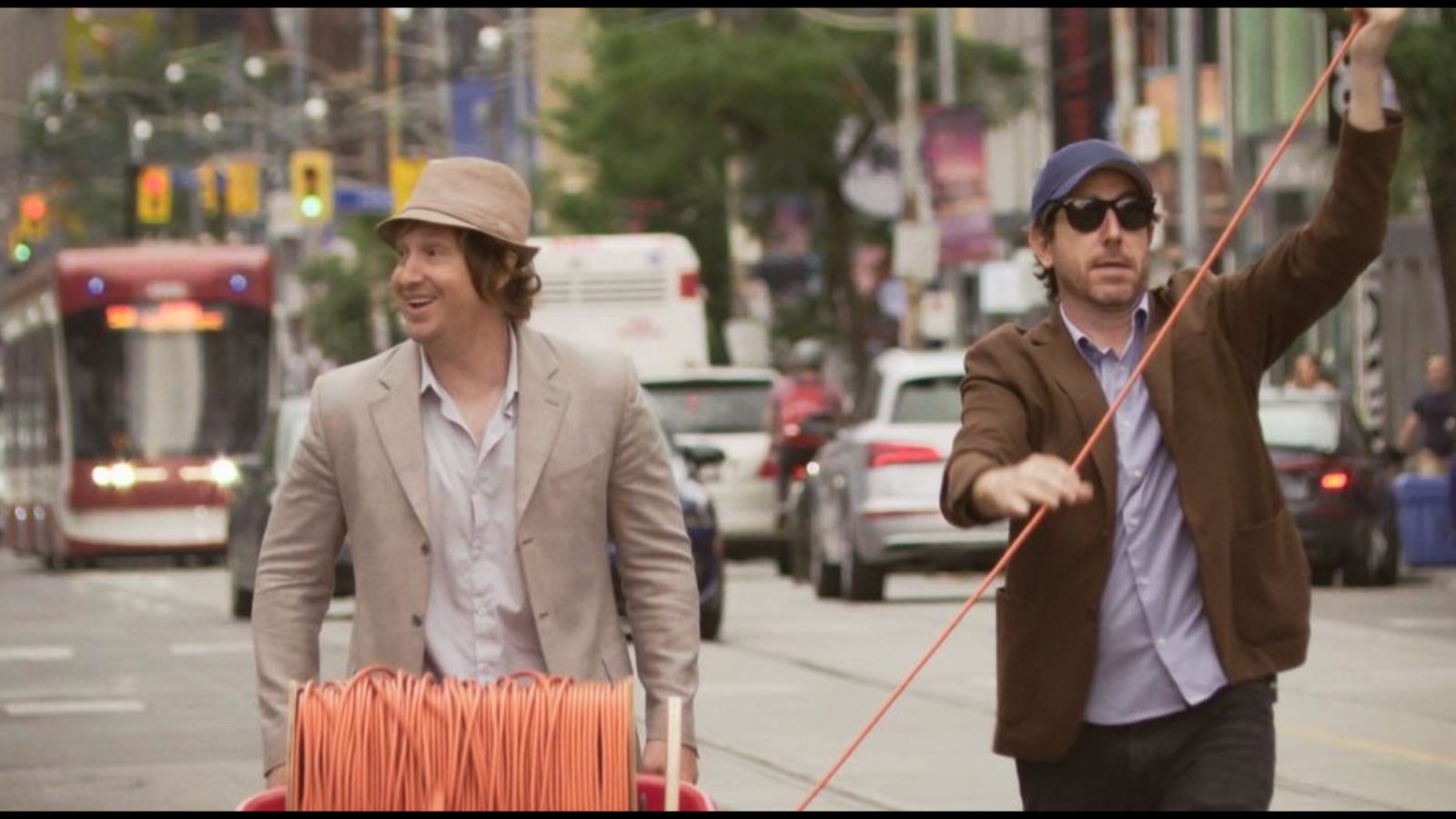
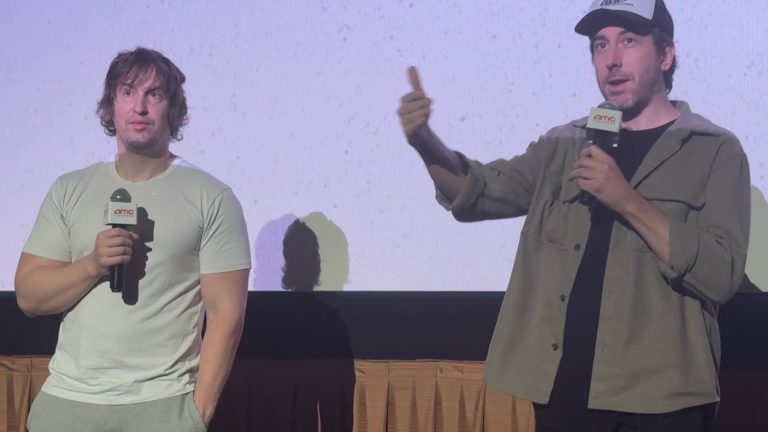
Image: Matt Johnson and Jay McCarrol in Nirvanna the Band the Show the Movie, via The Film Stage.
Seventeen Years of Raw Footage Nobody Ever Used
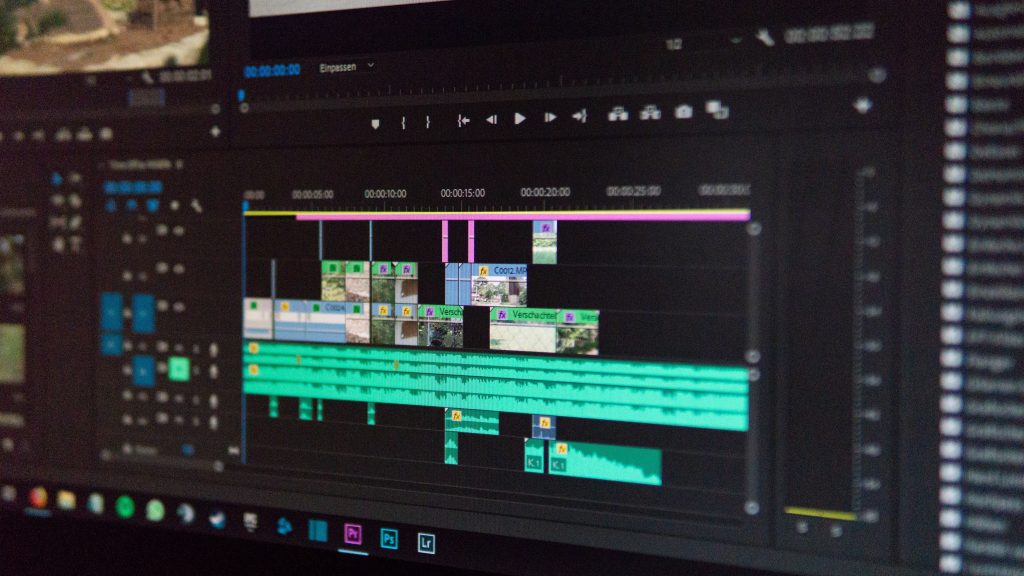
The premise: in 2025, Matt and Jay have spent seventeen years failing to book a gig at Toronto’s Rivoli. A jerry-rigged RV, an Orbitz spill, and a plot device later, they’re thrown back to 2008, forced to scheme their way into the same booking as their younger, dumber selves. What makes it more than a gimmick is that Johnson and McCarrol had actually been filming themselves obsessively since the mid-2000s, for their web series of the same name, and never used most of it. Editors Curt Lobb and Robert Upchurch spent the post-production process reviewing hundreds of hours of that raw archival footage, mining it for material that could sit next to brand-new 2025 photography without the seam showing. Every 2008 shot in the finished film is something “never before seen,” pulled from the cutting room floor of a show that ended over a decade ago.
Total Trust, Not a Technical Manual
Johnson has been characteristically blunt about how little control he actually exerted over the footage-matching process. “That was total trust,” he told Filmmaker Magazine, describing his editors’ role in compositing decades-old footage against new material. “They’ve watched all my raw footage. They’re the two people in the world who really do know how stupid I am.” That’s not false modesty, it’s an accurate description of what the job actually required: two editors who’d sat through everything Johnson and McCarrol had ever shot, capable of finding the one unused 2008 clip that would sell a joke set in a scene that didn’t exist yet when it was filmed.
The discipline runs the other direction too. “We shoot so, so much footage, but the real discipline is that we then cut 95% of it out,” Johnson said, describing an editing philosophy built around one rule: “never, ever linger.” The film went through multiple full re-edits after test screenings, one after its SXSW premiere, another after its Canadian premiere at TIFF, with Johnson describing the process as following “the energy of the room” and then recutting “completely on paper” before touching the timeline again.
Critics Noticed the Craft, Not Just the Joke
It would be easy for a premise this goofy to get credit only for its ambition. It hasn’t. Writing for MUBI, critic Adam Nayman singled out “the casually gobsmacking technical prowess of the film’s cinematography and editing,” placing it inside a tradition of English-Canadian filmmaking rather than dismissing it as a stunt. Cinematographer Jared Raab, who’s been shooting Johnson and McCarrol in the same hidden-camera, verité format since the original web series, gets a lot of the credit for why the two eras don’t visually fight each other on screen: the camera language never changed, even when the guys holding it got seventeen years older.
That’s the part worth sitting with longer than the time-travel plot. Most productions that mix eras of footage are fighting a format mismatch, and usually hiding it with a hard cut, a title card, or a deliberately “archival” grain effect slapped over everything old. Johnson’s team didn’t have that luxury, or that crutch, because the whole joke depends on the audience believing both timelines are happening in the same movie, not two movies stapled together. Getting decades-old handycam footage to sit convincingly next to a modern shoot without announcing itself is a problem every editor cutting between real footage and anything else, archival, stock, or otherwise, eventually runs into. Nirvanna just built an entire feature around solving it in public.
Sources:
- Empire — “The Best Movies of 2026 (So Far)”
- Wikipedia — “Nirvanna the Band the Show the Movie”
- Filmmaker Magazine — “Nirvanna the Band the Show the Movie’s Matt Johnson Shares His Secret to a Good Life”
- The Film Stage — “‘We Cut 95% of It Out’: Matt Johnson on Nirvanna the Band the Show the Movie, Constant Re-Editing, and Season 3”
- The Skinny — “Matt Johnson and Jay McCarrol on Nirvanna the Band the Show the Movie”