Image: Google, via the Gemini 4 Argon announcement on The Keyword
Gemini 4 Argon, Google’s newest frontier model, can sit inside the Antigravity coding environment, connect to Blender through MCP, and build a 3D scene, a game, or an animation by looking at its own output and correcting it. Google published the model this week, and the creative demos in the launch are more interesting for editors and motion designers than the benchmark chart that came with them.
What Gemini 4 Argon Actually Showed Off
Google’s launch post, written by Koray Kavukcuoglu, SVP of Google DeepMind and Chief AI Architect, leans on coding, finance and science, but four of the examples are straight creator material. Multi-agent visual critique loops produced a photorealistic pagoda complex in Blender, with the architecture, foliage and lighting built by the agent. A set of desk photos became a playable miniature racing game, with collision physics, custom shaders and audio. A wizard-chess game came with procedural sculpting, rigging, animation, PBR baking and GLSL shaders. And a pure-Python ray-tracing engine shipped with its own video tool and audio mixer, narrated with text-to-speech.
The most useful one for a video person is the cathedral. According to Google for Developers, as summarized by daily.dev, the agent started from a 2D reference image generated in Flow, connected to Blender over MCP, and ran 45 rounds comparing its geometry to the reference. It then handled fluting, floor textures, volumetric fog, camera depth and lighting, and finished with a walkthrough video.
GIGAZINE reports a second animation from Google staff: a Pixel CAD file turned into an exploded-view animation with choreographed lighting and audio. That is a product-ad shot, and it is exactly what a freelance motion designer gets asked for every week.
Why the Blender Connection Matters
An image model gives you pixels you can’t move. A model that drives Blender gives you a scene file: a camera you can re-aim, lights you can change, a mesh you can swap. If the client says “make the logo bigger and push the camera in,” you edit the scene instead of re-rolling a clip and hoping the character still looks the same.
The loop is the other half. The pagoda and cathedral demos work because the model looks at a render, compares it with the target, and fixes what’s wrong. That is closer to how a junior 3D artist works than a one-shot generator is.
How to Get It and What It Costs
Google lists the Gemini API paid tier through AI Studio, Gemini for Business, and Google Antigravity as the developer routes. Consumers get it in the Gemini app and AI Mode in Search on Pro and Ultra plans. The Decoder adds that free and Plus users are limited to the weaker Flash models, and that Antigravity access is for Ultra subscribers.
API pricing is $2 per million input tokens and $10 per million output tokens at the introductory rate, with cached input discounted 95%. After November 30 it rises to $4 and $20. A multi-agent Blender session burns a lot of tokens, so watch that clock if you are budgeting a project.
The Caveats
Rankings are not settled. GIGAZINE reports an Artificial Analysis Intelligence Index score of 53, level with Claude Fable 5.1 and GPT-6 Astra. The Decoder says Argon leads the Vals Index but still trails Claude Opus 5.5 in independent overall rankings and now sits behind Meta’s Muse Wonder Full. Which one you believe depends on the test.
Every creative demo above is Google’s own, chosen by Google. I found no independent hands-on from a working 3D artist yet. Expect the usual gap between a showcase and a deadline: you still need Blender installed, an MCP connection set up, and enough 3D knowledge to notice when the model has built something that renders beautifully and rigs badly.
What to Do With It
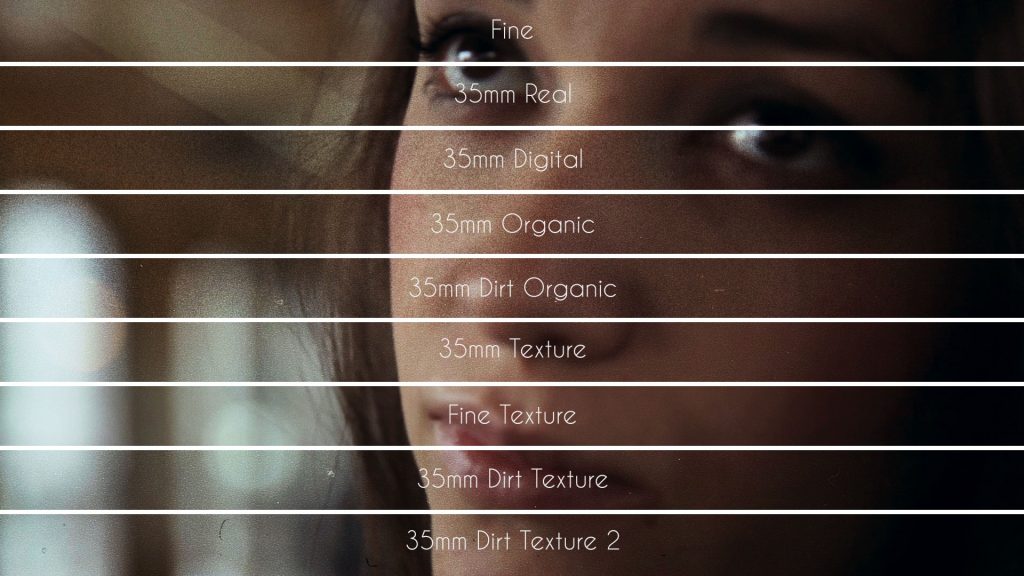
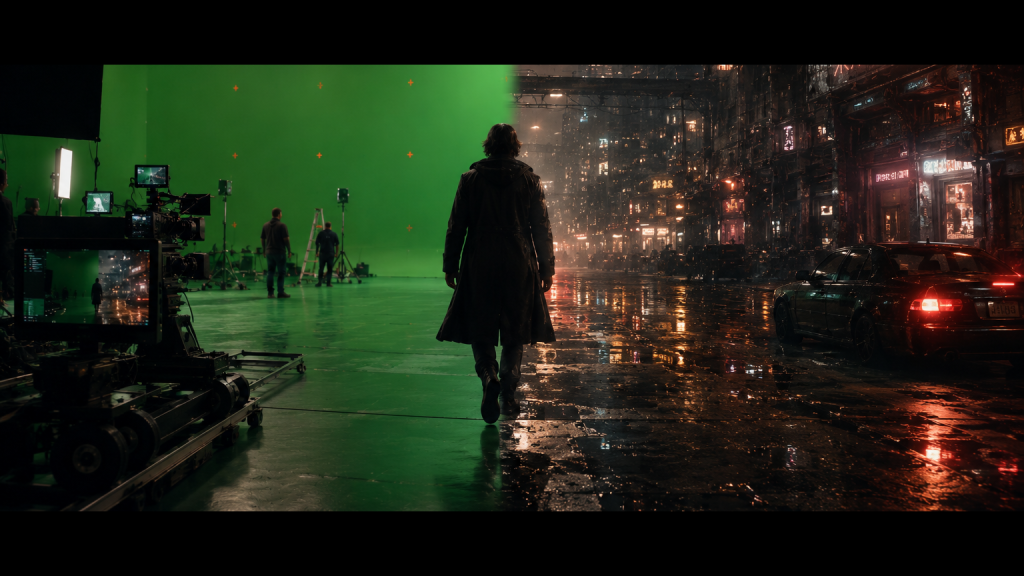
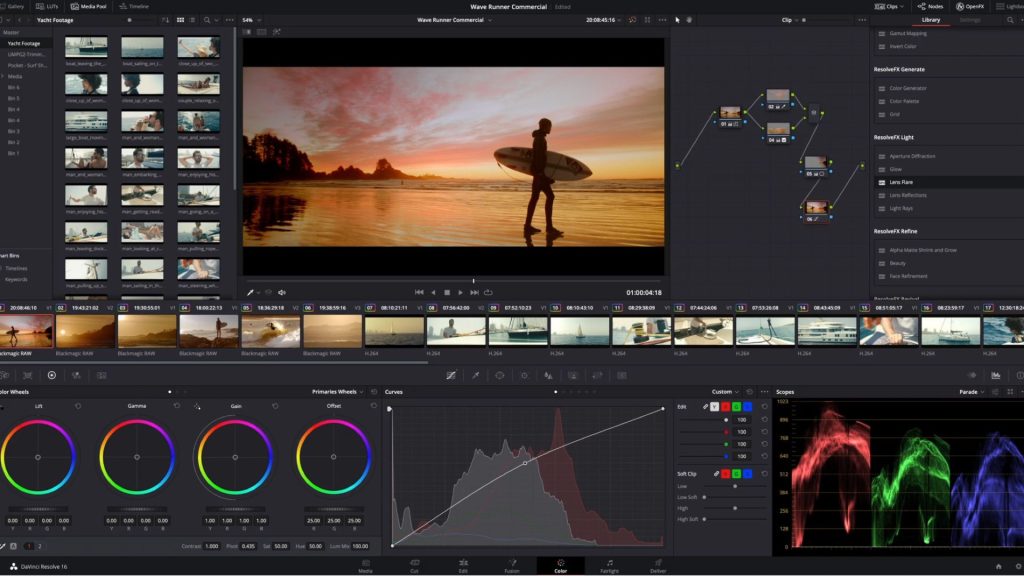
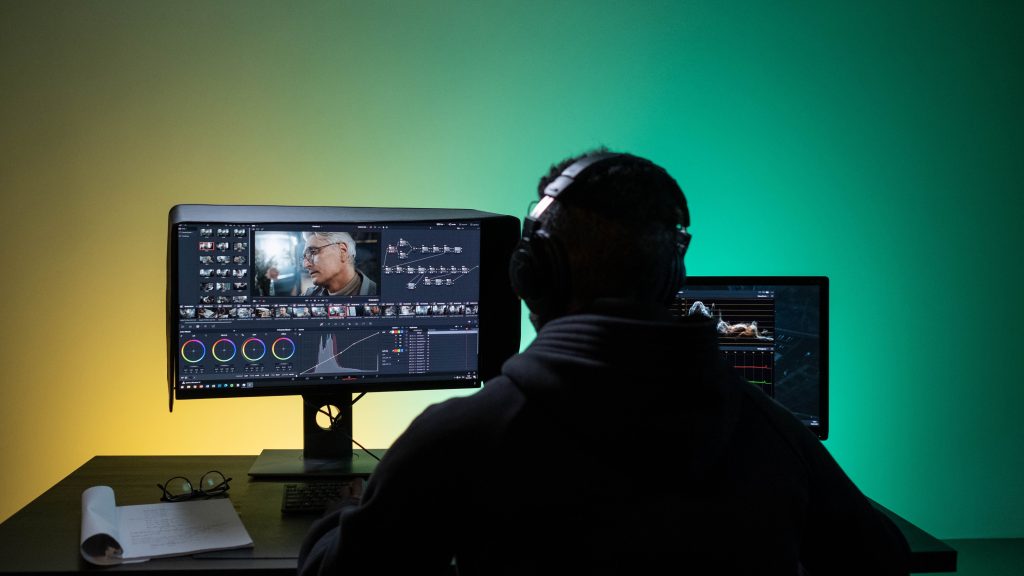
Use it for previs, abstract product shots, and background plates where you control the camera. Render out of Blender in a high-bit-depth format, bring it into Premiere, Resolve or Final Cut, and treat it like any other CG: match the grade to your live-action footage, then add texture. Clean CG is the thing that gives itself away. Layering a real 35mm scan from Grainzilla’s 4K Film Grain Pack 2.0, which ships as ProRes 422 rather than a compressed delivery codec, is the quickest way to stop a Blender render looking like a Blender render. The guide to adding film grain in Premiere, Resolve and Final Cut covers the blend settings.
The model builds the scene. Whether it feels shot is still your edit.
Sources: Koray Kavukcuoglu, “Gemini 4 Argon: Built to solve your hardest problems,” Google (The Keyword) (Oct. 13, 2026); The Decoder, “Gemini 4 Argon is now available worldwide as Google’s most capable frontier model” (Oct. 13, 2026); GIGAZINE, “Google officially releases Gemini 4 Argon” (Oct. 14, 2026); Google for Developers via daily.dev, “Gemini 4 Argon and Google Antigravity: From 2D concept to 3D cathedral”.