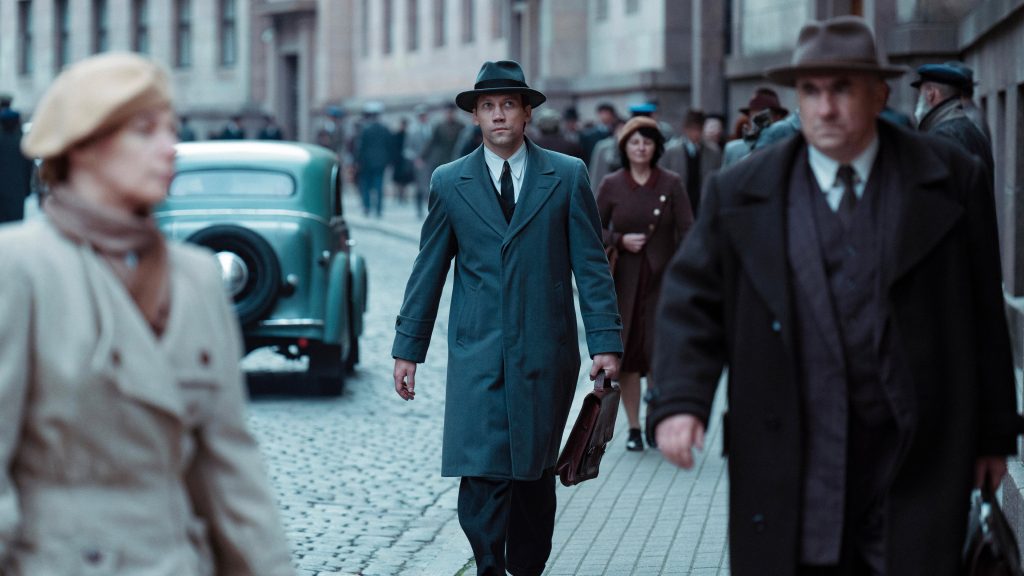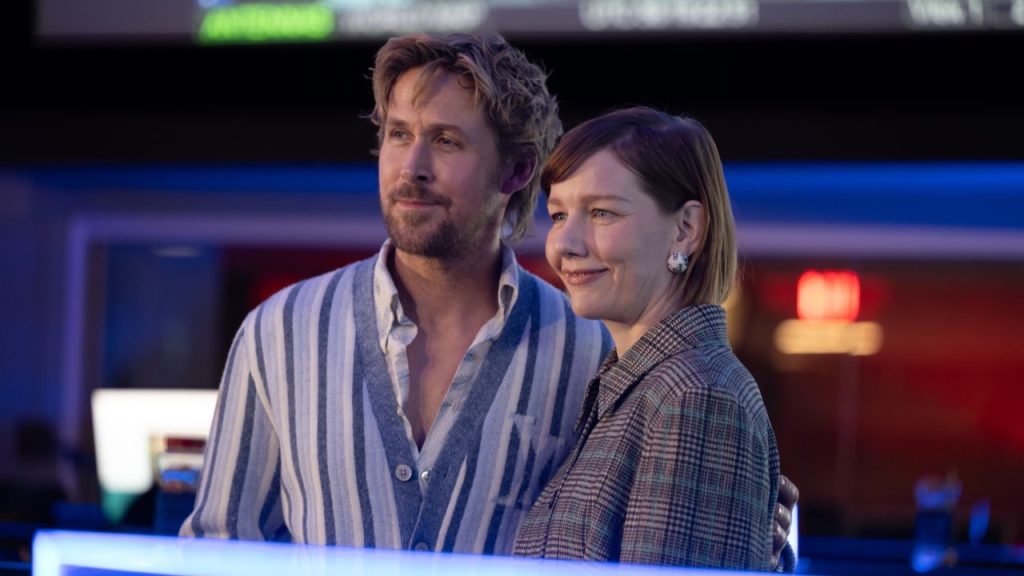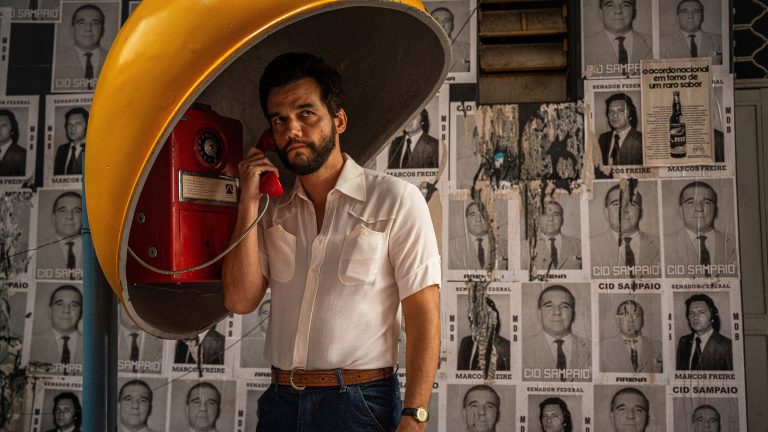
The Secret Agent hits Criterion on 4K UHD and Blu-ray on September 22, arriving fresh off four Oscar nominations including Best Picture and a Best Actor nod for Wagner Moura. Kleber Mendonça Filho’s political thriller follows a man hiding under an alias in Recife, Brazil, in 1977, at the height of the military dictatorship, and cinematographer Evgenia Alexandrova built its look on a camera most viewers will never clock: the ARRI Alexa 35, shooting anamorphic for the first time in her career.
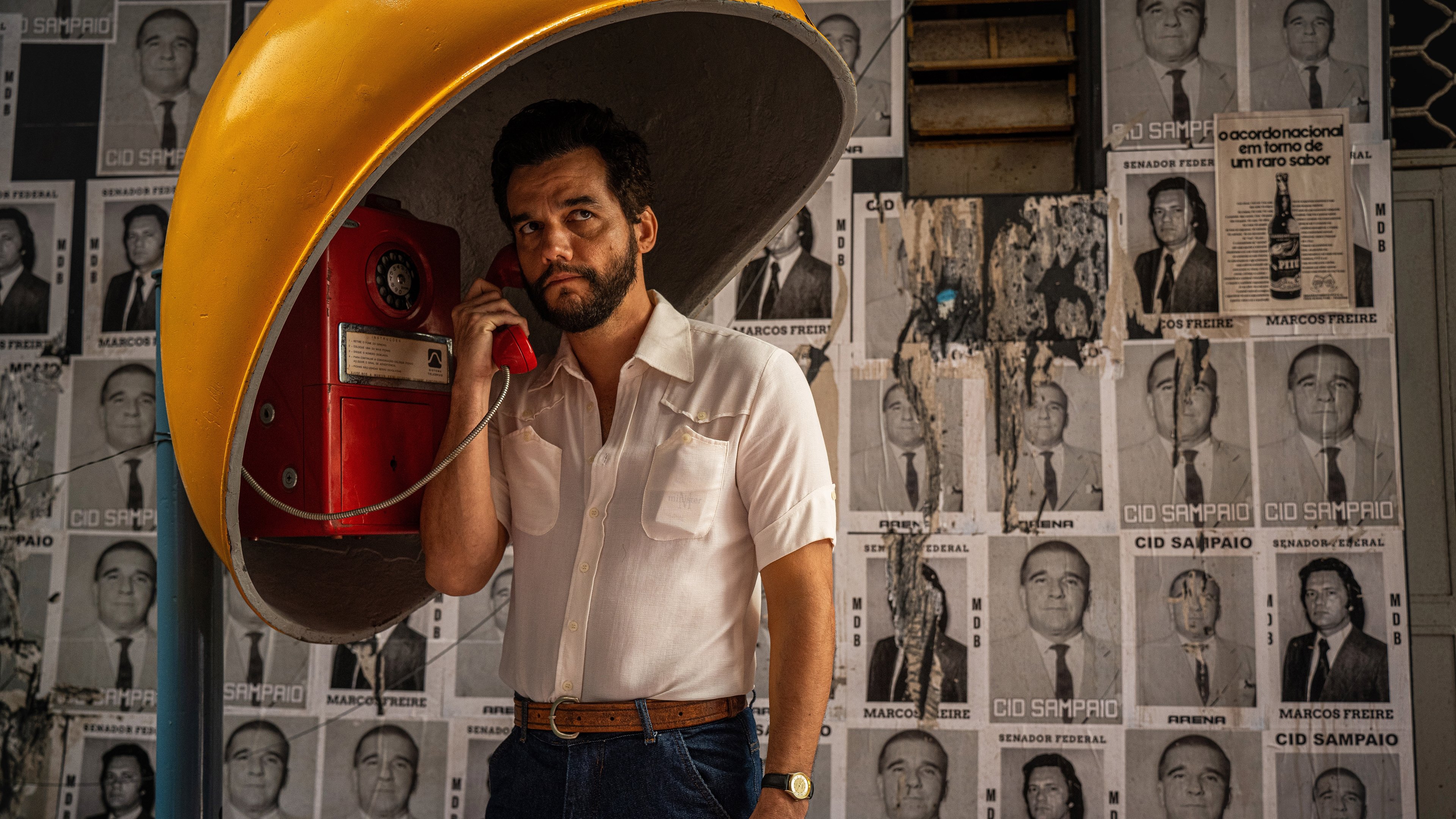
Image: The Secret Agent (2025), © Cinemascópio, MK Productions, Lemming Film, One Two Films. North American distribution by Neon. Used for the purposes of criticism, review, and commentary under the fair dealing provisions of Section 29.1 of the Canadian Copyright Act (R.S.C., 1985, c. C-42). The image illustrates the editorial analysis above and is not used as a substitute for the original work or for independent commercial exploitation. All copyright in the image and the underlying film remains with its respective rights holders.
An Obvious Camera Choice for an Unforgiving Location
“For me, the ALEXA 35 was an obvious choice,” Alexandrova told ARRI, having used the camera before and trusted its dynamic range under conditions that punish sensors: Recife’s harsh, overexposing daylight, cut with the deep interior shadows the film needed for its paranoid, under-surveillance tone. She paired it with an ALEXA Mini as a B-camera, describing the two as complementary rather than interchangeable, with the 35 carrying more subtlety and the Mini adding contrast and character where a scene called for it.
Letting the Flares Show
The anamorphic choice was new territory for Alexandrova, and she picked Panavision B Series lenses specifically for their flaws. “The flares were very hard to control, but that’s exactly what Kleber loved,” she told ARRI, because Mendonça Filho wanted the audience to feel the mechanics of the filmmaking rather than a scrubbed, invisible camera. A 100mm L-Series lens with pronounced blur characteristics added to that same effect elsewhere in the film. It’s a rare case of a period piece using imperfection as a period signal in itself, the same instinct that drives grain and halation choices in post rather than treating “clean” as the default goal.
Split Diopters and a Director Who Graded by Memory
Alexandrova used a split diopter for two emotionally loaded scenes, an old-school technique she described in a separate interview as one that “lets you put focus on two image planes with someone standing very far and someone being very close in the same shot” — a trick as old as the format she was shooting on. In pre-production, she and colorist Vincent Amor built a custom LUT to carry the film’s 1970s aesthetic through the whole shoot rather than deciding on the look in the grade after the fact. Mendonça Filho then attended grading sessions himself, adjusting colors against his own memory of what Recife actually looked like in that decade — treating the finishing pass as a continuation of research, not a technical afterthought handed off once photography wrapped.
Handheld as an Acting Choice, Not a Style Choice
What separates Alexandrova’s approach from generic “shaky-cam realism” is that her camera moves track character, not mood. Describing a pivotal phone-call scene, she told IndieWire, “Both of us really loved it because it creates a connection between the intention and the camera,” and on switching to handheld for actress Alice Carvalho’s performance specifically: “I had a stronger connection with her when I was handheld.” She’s also direct about rejecting the flatly lit, low-contrast look common in a lot of current digital cinematography: “I like deep shadows as well, and I think it brings character to the image.” Her documentary background shows up in that same interview, where she describes trusting what actually happens on set over what she’d pre-visualized: “Reality is happening, which might be different from what you imagined, and might be even more beautiful and more interesting.”
Criterion’s disc backs all of this up with real supplements rather than a bare transfer: a new interview with Alexandrova herself, a making-of documentary, Mendonça Filho’s 2023 companion film Pictures of Ghosts, and a video essay from the director. For anyone grading digital footage and chasing a period look, that’s worth the price of admission on its own. The lesson underneath all of it is simple and easy to forget under deadline pressure: the flares, the deep shadows, and the handheld wobble in The Secret Agent aren’t happy accidents. They’re a DP and director agreeing, shot by shot, on exactly how imperfect the image should be.
Sources: