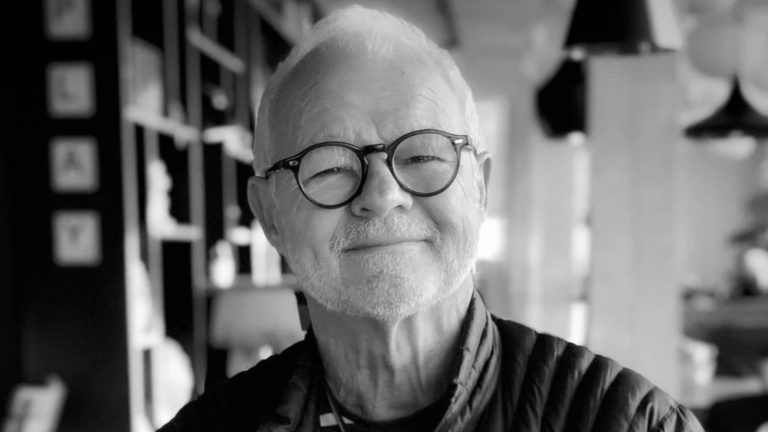
Photo: American Society of Cinematographers, via PetaPixel
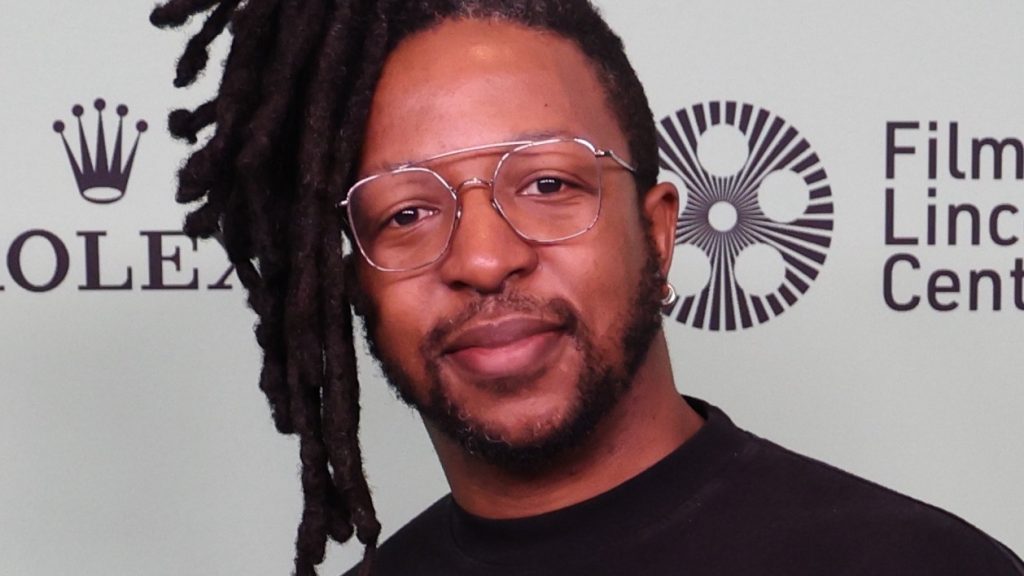
Rodney Charters, the cinematographer who shot 184 of the 192 episodes across the first eight seasons of 24, has died in Amsterdam at 80. If you’ve ever felt your pulse pick up watching Jack Bauer sprint through a CTU hallway, that’s Charters’ doing. He didn’t just light the show. He built its nervous system.
The Camera That Wouldn’t Sit Still
Before 24, network television mostly held still. Charters and the show’s creative team threw that out. His approach was handheld camerawork, whip pans, and snap zooms, shot in a way that treated coverage like a live event instead of a rehearsed scene. “We’ve evolved to the point where we always shoot a scene in its entirety, it’s never broken into setups,” he told the American Society of Cinematographers. “We shoot two directions on every scene.” Director Stephen Hopkins pushed him further, telling him to “look at the scene and imagine where the camera would never be, and that’s where I want it.” That’s not a lighting philosophy. That’s a dare, repeated for 184 episodes, on a network schedule that gave nobody time to second-guess it.
It worked because it never felt like a technique being applied. It felt like a camera operator who couldn’t stand still because the story wouldn’t let him. That’s a much harder thing to fake than people assume, and it’s why so many shows that copied the “shaky 24 look” in the 2000s ended up feeling like a filter instead of a decision.
Shot on Film, Not Video
Here’s the detail that gets lost now that everyone assumes gritty procedural TV means a stripped-down digital sensor and a teal-and-orange pass in the grade: 24 was shot on 35mm with Panavision Panaflex Millennium XL cameras and Panavision Primo Prime lenses. That grain, that grittiness, that slightly unstable, urgent texture that made the show feel dangerous even in a static two-shot, was coming off actual film stock running through a real gate, not a LUT bolted on in post. The whip pans and snap zooms did a lot of the work, but the film base underneath them is why the image had weight instead of just motion.
That’s worth sitting with if you cut or color anything that wants that early-2000s ticking-clock panic on digital footage today. A LUT alone gets you the color. It doesn’t get you the grain structure that was actually there in Charters’ dailies. If you’re chasing that specific 35mm bite rather than just the palette, something built around real 35mm scans, like 4K Real 35mm Film Grain, is closer to what was actually running through the camera than a color adjustment layer will ever be.
A Career Longer Than the Ticking Clock
Charters didn’t start as a camera operator. He trained at the Royal College of Art in London alongside Ridley and Tony Scott, and spent years in documentary and BBC sound work before moving behind the camera. 24 earned him two Emmy nominations for Outstanding Cinematography for a Single-Camera Series, and the American Society of Cinematographers gave him its Career Achievement in Television Award in 2013. He was reportedly stunned by the honor: “Is it over?! I’m not done yet! I’m flabbergasted that people feel I have that kind of body of work.” He kept working long past that, on Shameless, the Dallas reboot, and the Magnum P.I. reboot, and in recent years took on a role as a lighting consultant for NANLUX, still showing up at NAB and IBC talking gear with people a third his age.
What made Charters’ work last isn’t that the shaky-cam trick was clever. Plenty of shows have tried it since and looked like they were trying too hard. It’s that he built an entire visual grammar around urgency and then shot it on a medium that physically couldn’t lie about texture. Every editor chasing “real” instead of “graded” owes him a look at how he did it.
Sources:
Pesala Bandara, PetaPixel, “Cinematographer Who Shot Almost Every Episode of ’24’ and Pioneered Its Iconic Camera Style Dies,” September 21, 2026
Matthew Allard ACS, Newsshooter, “Rodney Charters, ASC, CSC, NZSC (1945-2026),” September 17, 2026
American Society of Cinematographers, “In Memoriam: Rodney Charters, ASC,” September 15, 2026
The Hollywood Reporter, “Rodney Charters, Cinematographer Who Shot Just About Every Episode of ’24,’ Dies at 80,” September 15, 2026
Deadline, “Rodney Charters Dead: ’24,’ ‘Shameless’ Cinematographer Was 80,” September 2026
Andy Stout, RedShark News, “Rodney Charters, ASC Cinematographer Behind 24, Dies at 80,” September 17, 2026
ShotOnWhat?, “24 (2001) Technical Specifications”