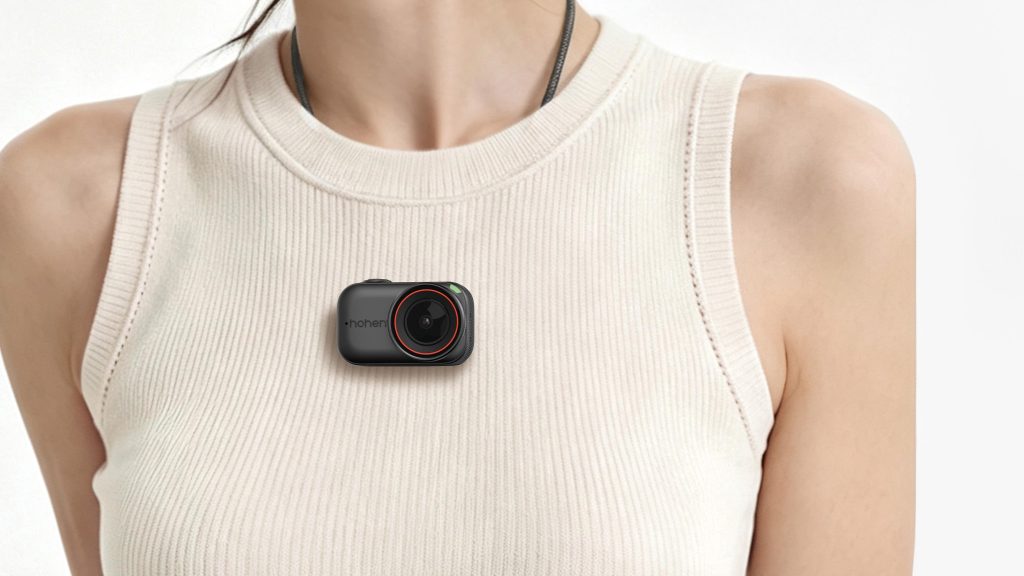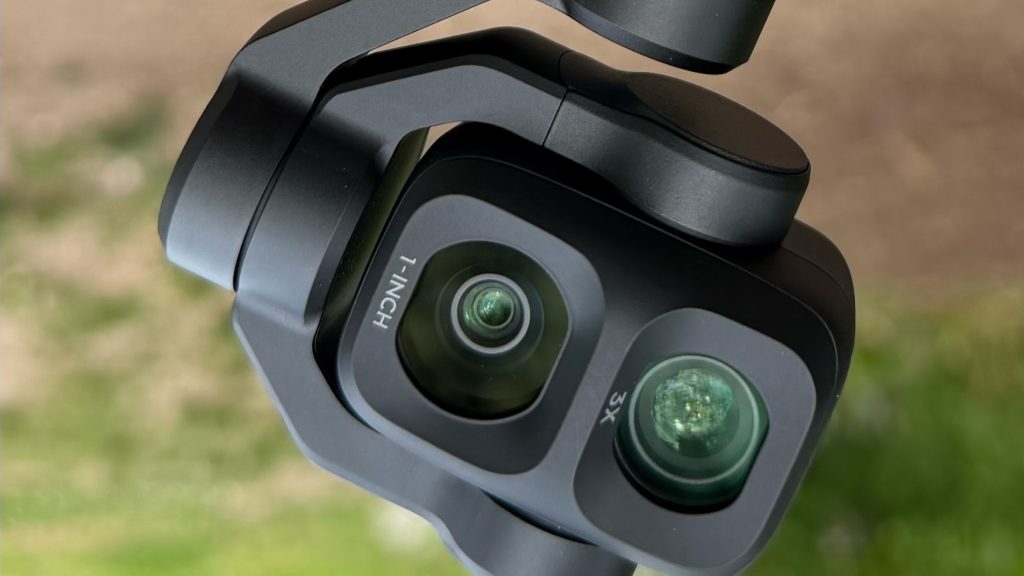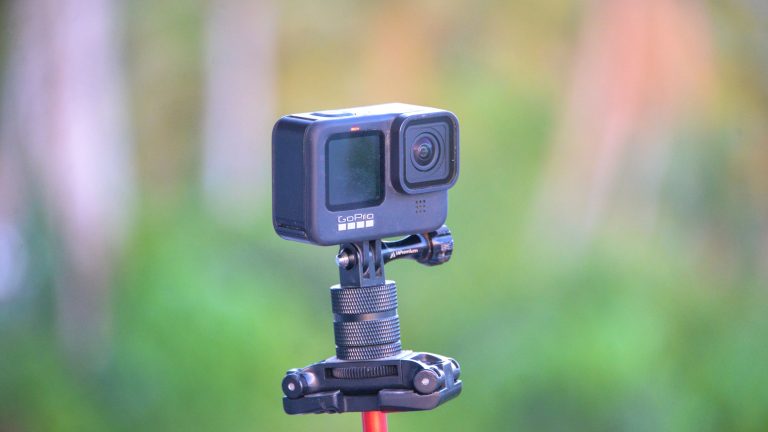
GoPro is merging with Starman Optical in a deal that hands roughly 90 percent of the company to a private optical-photonics manufacturer, and the camera brand that basically invented the action-cam category is now, on paper, becoming a defense and AI infrastructure supplier that happens to still sell cameras on the side.
The Deal, In Plain Numbers
Under the agreement, GoPro shareholders get $285 million in cash, worked out to $1.14 a share, and GoPro’s roughly $92 million in debt gets wiped clean at closing. Existing shareholders keep about 10 percent of the combined company, which stays listed on Nasdaq. Starman Optical, a privately held U.S. company that builds optical transceivers for AI data centers, ends up controlling the rest. GoPro founder and CEO Nicholas Woodman framed it as expansion, not retreat: “We expect this merger to enable GoPro to grow across consumer, commercial and defense markets as a leading American imaging and optical solutions company.” Starman Holding CEO Charles Tebele put the strategic logic more bluntly, pointing at where the real money in optics has moved: “Advanced optics and imaging are essential to AI, national security, and the broader economy, yet much of the critical hardware supporting these technologies continues to be manufactured overseas.”
How A Category-Defining Brand Got Here
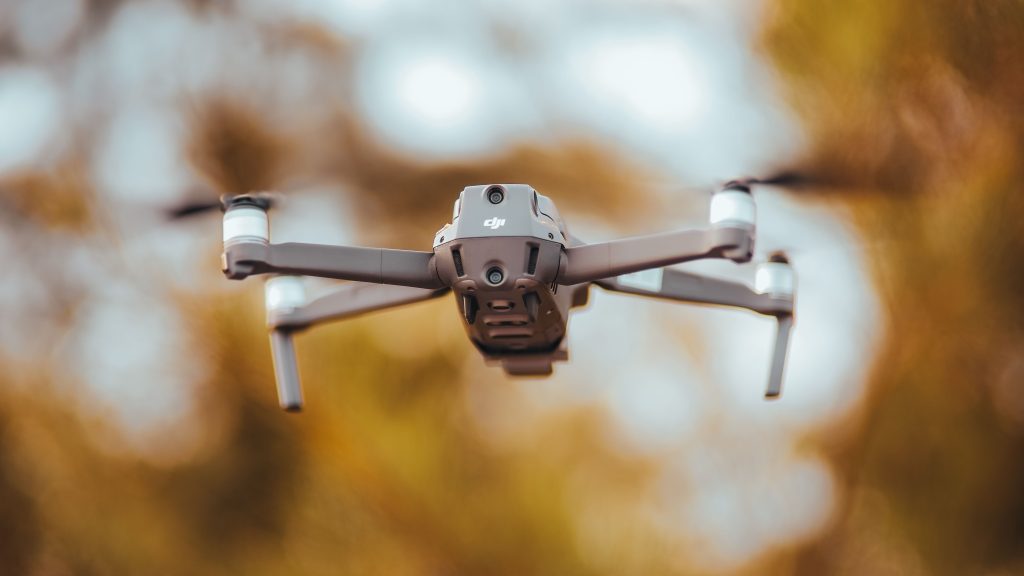
This isn’t a company selling at the top. GoPro’s stock has lost roughly 96 percent of its value since its 2014 IPO, when the company was valued near $4 billion. Quarterly revenue has fallen more than 80 percent from its late-2014 peak. Earlier this year GoPro warned investors there was substantial doubt it would survive the next twelve months, and Woodman personally put $20 million of his own money into the company to keep it running through the summer. DJI and Insta360 spent the last decade eating GoPro’s category from underneath while an AI-driven memory chip price surge squeezed its margins from above. None of that happened overnight, and none of it is really a secret to anyone who’s watched action-cam market share shift over the past few years. What’s new is that GoPro finally stopped trying to out-camera its way out of it.
There’s a real irony buried in that decline. GoPro didn’t lose because the Hero cameras got worse. It lost because the entire category it created, small, rugged, mountable cameras that could survive a surf session or a downhill run, got commoditized by competitors who built the same idea into cheaper, smarter packages with better stabilization and app ecosystems. A brand can define a category and still lose it. That’s the actual lesson underneath the financial numbers, and it’s why this merger reads less like a comeback plan and more like an exit dressed up as a pivot.
What Starman Actually Wants Out Of GoPro
It’s not the Hero lineup. It’s the patents. GoPro holds more than 2,500 U.S. patents in optics and imaging, and the plan is to redirect a chunk of that portfolio toward defense, government, robotics, and aerospace work, while bringing optical component manufacturing back onshore. Starman’s actual business, optical transceivers that move data as light inside AI data centers, has almost nothing to do with strapping a camera to a helmet. The GoPro name and the Nasdaq listing are the vehicle. The patent stack and the manufacturing capacity are the prize.
What This Means For The Camera You Might Still Own
Nobody involved has said the consumer camera line is shutting down, and the market reacted like this was good news, GoPro’s stock jumped after the announcement. But read the incentives honestly: a company controlled 90 percent by an optical-photonics manufacturer chasing defense and AI infrastructure contracts is not going to prioritize a Hero 14 the way GoPro once prioritized a Hero 4. If you’re a documentary shooter or a run-and-gun editor who’s built B-roll workflows around a GoPro, this is worth watching closely over the next few product cycles, not because the sky is falling, but because the company making your gear just told you, in writing, what it actually cares about now. It isn’t your footage.
Sources: GoPro / PR Newswire, DroneXL