Netflix told investors during its Q2 2026 earnings call that generative AI touched roughly 300 of its titles this year, and the company is naming names about how. Co-CEO Ted Sarandos pointed specifically to “The American Experiment,” the five-part documentary voiced in part by Martin Sheen, where seventeen minutes of AI-enhanced footage were produced, in his words, “twice as fast and at half the cost” of the traditional alternative, as reported by Fortune’s Amanda Gerut. The tool behind that work has a name too: InterPositive, the AI startup Netflix bought from Ben Affleck for $587 million back in March.
This isn’t a script-writing or performance-generation story, and Netflix is at pains to say so. Sarandos told investors “we believe it takes great artists to make something great, and AI is not changing that,” a line Sachin Mohan at AIM Media House flagged as the company’s core talking point for the quarter. Where the AI is actually landing, according to Netflix’s own disclosures, is post-production: crowd enhancement, world-building background plates, and historical battle sequences, the exact kind of shots that used to get cut for budget before they ever reached a color bay.
What InterPositive Actually Does to a Shot
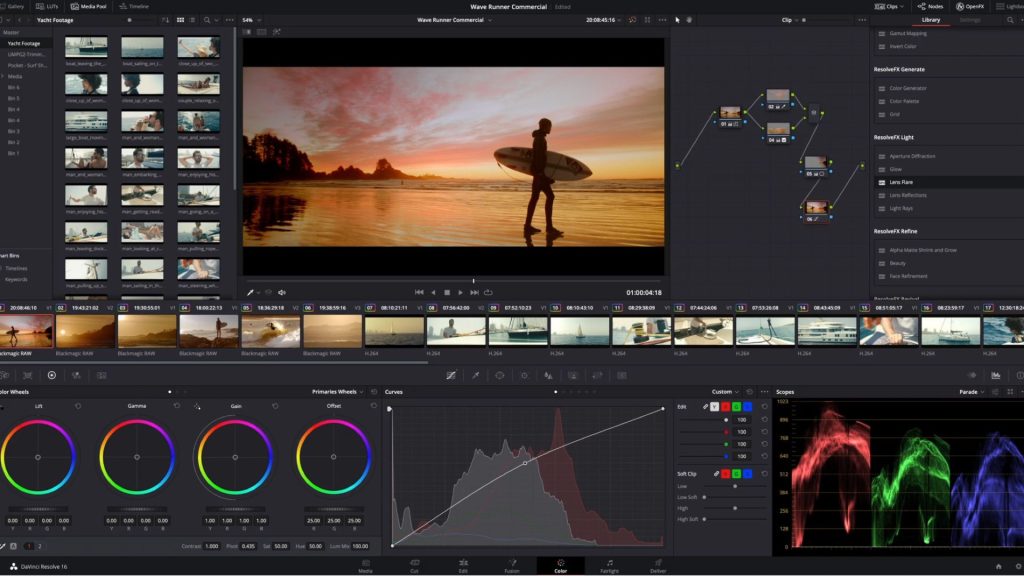
InterPositive isn’t a text-to-video generator competing with Sora or Veo. Reporting from Rest of World describes it as a tool that builds an AI model from a production’s own dailies, then uses that model to automate tasks that visual effects artists have historically done frame by frame: wire removal, relighting, continuity fixes, reframing a shot that was composed wrong, recovering a take the crew never actually got clean coverage of. It’s grading and compositing labor, automated and pointed at footage the production already shot, not synthetic footage standing in for it.
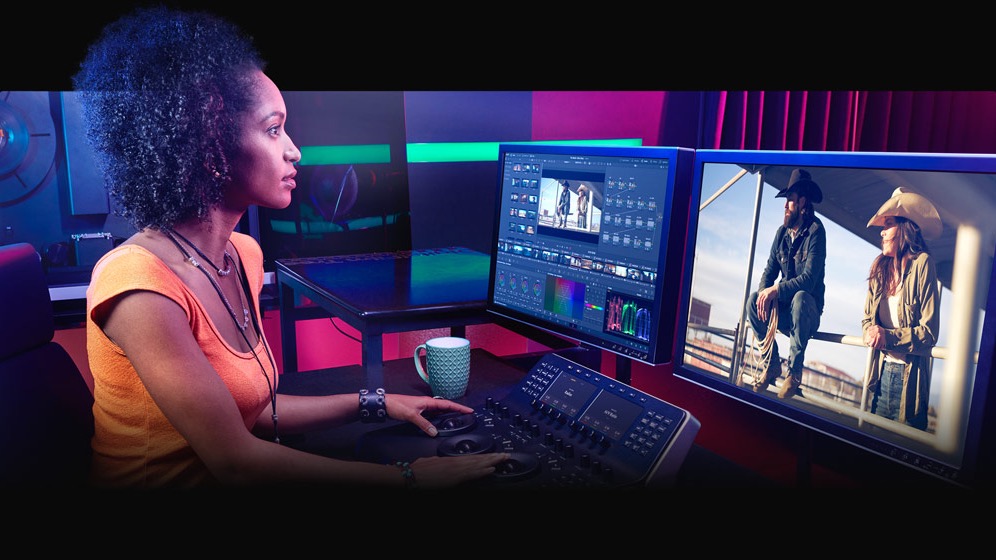
That distinction is exactly why the “300 titles” number is a bigger deal than another AI-video headline. It’s not Netflix generating scenes from a prompt. It’s Netflix automating the unglamorous middle of the post pipeline, the pass every colorist and compositor knows intimately, at a scale of 300 productions in a single year.
The People Doing That Work Are Not Thrilled
Rest of World’s Indranil Ghosh spoke to VFX professionals who do this labor for a living, and the tone is far less celebratory than Netflix’s earnings call. Mohsin Kazi, a compositing supervisor at DNEG, told Ghosh that “if AI tools begin handling tasks like cleanup, relighting, or even base compositing, the biggest impact will be at that entry level,” the rung of the ladder where junior artists actually learn the craft before they’re trusted with anything harder. Joseph Bell, who writes about the VFX and animation industry, put the real threat even more bluntly: “even though AI may not yet be able to do your job, the fact your client or your manager thinks it can is enough to disrupt project budgets, schedules, and employment.”
That second point is the one that should worry working editors and colorists more than the first. A tool doesn’t have to be good enough to replace a compositing pass to change how a studio negotiates a post schedule or a day rate. The belief that it might be good enough is already doing that work.
Netflix Is Keeping the Tool for Itself, For Now
Notably, Netflix has said it will restrict InterPositive to its own productions rather than licensing it to rival studios or independent post houses, per Rest of World’s reporting. That’s a competitive advantage dressed up as caution: if InterPositive really does cut VFX costs by the range Netflix’s own internal projections have floated, every other streamer and studio is now negotiating post budgets against a competitor whose in-house pipeline is meaningfully faster. IndieWire and Variety both covered Sarandos’ earnings-call comments the same day, and neither outlet reported any plan to change that stance.
None of this makes InterPositive a villain by itself. Automating rig removal and continuity patches is not the same thing as automating a performance or a script. But 300 titles is not a pilot program, and a tool built from a production’s own dailies to do a colorist’s and compositor’s job faster is exactly the kind of AI story that matters more to the people who actually finish films than another flashy text-to-video demo reel ever will.
Video: Official trailer for “The American Experiment,” the Netflix documentary Sarandos cited as the InterPositive case study, via Netflix’s YouTube channel.
Sources:
- Fortune — Amanda Gerut, “Netflix Made 17 Minutes of a Documentary ‘Twice as Fast and at Half the Cost'”
- AIM Media House — Sachin Mohan, “Netflix Scales Gen AI to 300 Productions, Puts Savings Back Into Content”
- Rest of World — Indranil Ghosh, “What Netflix’s AI Bet on Ben Affleck’s Startup Means for VFX”
- IndieWire — “Netflix Co-CEO Explains How Gen-AI Was Used in 300 Different Titles”
- Variety — “About 300 Netflix Titles Used Generative AI This Year, Company Reveals”