Ryan Coogler’s Sinners has one scene that editors and VFX artists have been quietly dissecting since it hit theaters: the juke joint sequence where Sammie Moore, played by Miles Caton, picks up a guitar and sings “I Lied to You,” and the room stops behaving like a room. A Hendrix-style electric guitarist appears out of nowhere. Then breakdancers and a DJ on turntables. Then West African drummers in tribal dress, a gospel choir, and Chinese opera performers, all sharing what looks like a single unbroken IMAX shot that glides through the club for three minutes and twenty seconds. It plays as one continuous take. It isn’t. It’s five, and the reason the scene still gets picked apart frame by frame is that almost nobody can find where they meet.
The Camera Could Only Run 75 Seconds At A Time
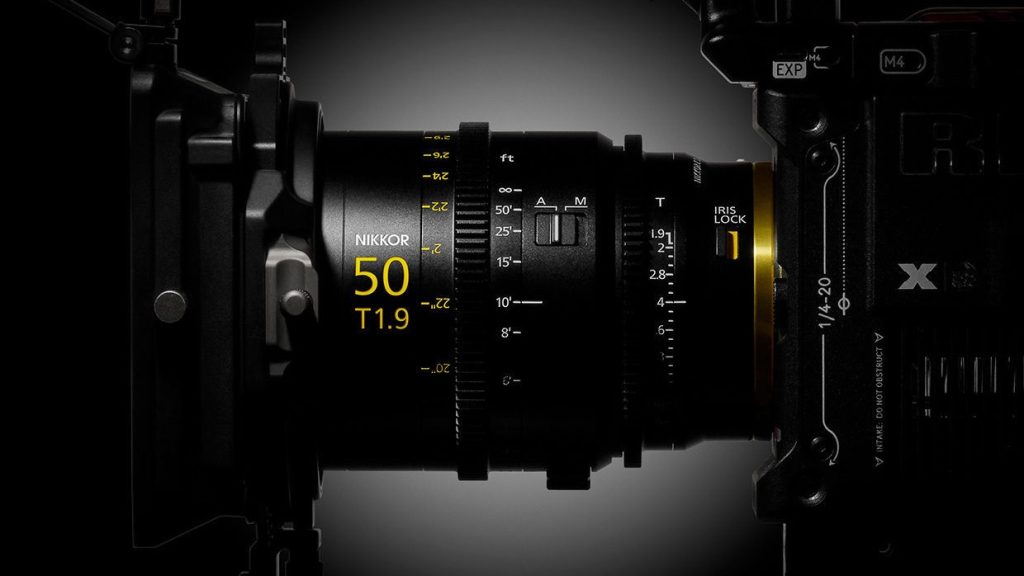
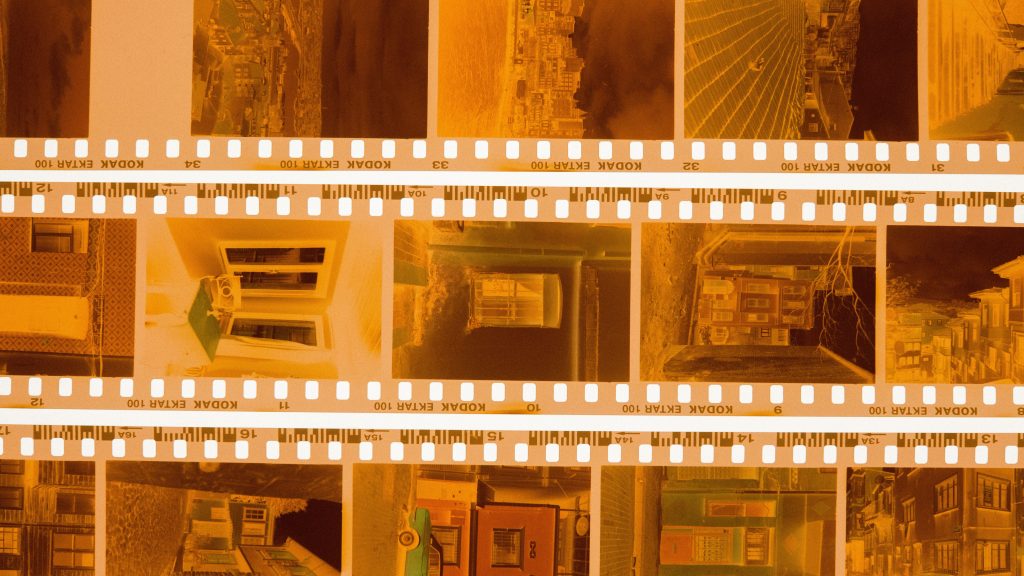
The sequence was shot on an IMAX MSM 9802 camera loaded with 15-perf 65mm film and mounted on a Steadicam operated by Renard Cheren, with 1st AC Ethan McDonald pulling focus from a catwalk above the set, according to the American Society of Cinematographers’ breakdown with director of photography Autumn Durald Arkapaw. The problem was physics: a 65mm IMAX magazine only holds about 75 seconds of usable film before it has to be reloaded. A shot that runs three and a half minutes simply can’t exist as one continuous roll. VFX supervisor Michael Ralla confirmed the same constraint to Art of VFX, describing the finished sequence as “a shot with almost 5000 frames, 3 minutes and 20 seconds long, comprising of 5 different sections” stitched together in post.
Architecture As The Splice Point
Hiding five separate takes inside one shot meant the crew couldn’t rely on a whip pan or a dark doorway to cover a cut, the usual tricks for a fake oner. Instead, according to Ralla, the production went through more than fifty rounds of previsualization with Baraboom before anyone stepped on set, then rehearsed each stitch point with Cheren so that “speed, position and overall timing would match,” building in overlap between sections and choosing natural hard lines in the juke joint’s own architecture as the seams. Additional dancers representing the different musical eras were shot separately as bluescreen elements on a digital camera and composited into each section by Storm Studios, meaning the guitarist, the breakdancers, and the drummers weren’t necessarily sharing the floor with Caton on the same day, even though the finished shot insists they are.
A Roof Fire They Could Only Shoot Once
The shot’s climax, a tilt up to reveal the juke joint’s roof engulfed in flame, started as a practical effect. Ralla told Art of VFX the crew staged a real roof burn on Stage 4 at Second Line Studios in Louisiana on the last day of principal photography, filmed with every IMAX camera rolling, since there would be no second chance at it. Coogler then asked for a more dramatic push through the flames than the practical plate could deliver, so Storm Studios rebuilt the moment as a full CG shot for the release cut, according to the ASC’s reporting. The format itself was a late pivot too: Durald Arkapaw had tested 16mm for a rawer, grittier look before she and Coogler screened 2001: A Space Odyssey in 70mm during prep, after which Coogler reportedly said the large-format image was “what I’ve been missing,” and the production moved to 65mm IMAX instead.
The Editor Had The Harder Problem
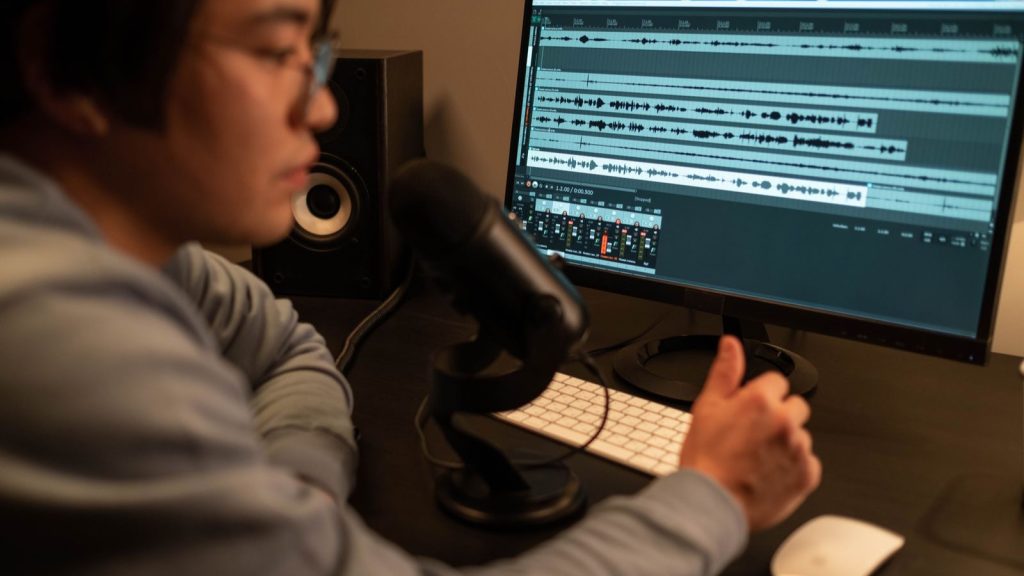
Once the plates existed, editor Michael Shawver still had to make the sequence work as a piece of storytelling, not just a technical feat. He told The Credits that the assembled footage for the number ran roughly four times longer than the song itself, forcing brutal selection under Coogler’s mandate that the cut land exactly on the music’s length. Shawver said his guide wasn’t literal continuity but what “spiritually worked, action matches, emotional matches,” pointing to a shot of someone’s feet that happened to land against another movement so cleanly it became a connective thread through the whole sequence. That instinct, more than any software trick, is why the seams stay invisible even when you know exactly where to look for them. Shawver won the 2026 ACE Eddie Award for Best Edited Feature Film, Drama, for his work on Sinners, and both he and the film’s construction of that scene have been dissected in editing circles ever since.
What makes the juke joint scene worth studying isn’t that it fooled an audience into thinking five takes were one. Plenty of films fake a oner. It’s that the fakery was in service of a genuinely strange idea, spirits of blues, rock, hip hop, gospel, tribal music, and opera all sharing one room across centuries, and the crew built the illusion around that idea instead of the other way around. The best invisible cut isn’t the one nobody notices. It’s the one that earns its keep before anyone thinks to look for it.
Sources:
Sinners: Michael Ralla (Production VFX Supervisor) & James Alexander (Production VFX Producer) — Art of VFX
Sinners: Big, Bold Blues and Blood — American Society of Cinematographers
How the Invisible VFX of Sinners Protected the Large Format — Kodak
How Sinners’ Oscar-Nominated Editor Michael P. Shawver Carved Ryan Coogler’s Beautiful Chaos Into Pure Cinema — The Credits (Motion Picture Association)
Ryan Coogler’s Sinners Walked in 2001: A Space Odyssey’s Steps to Create That Jaw-Dropping Juke Joint Scene — FandomWire
I Lied to You — Wikipedia
Sinners: All 6 Musical Eras & Styles in Sammie’s Big Juke Joint Scene Explained — Screen Rant
American Cinema Editors Awards 2026 — Wikipedia