Mad Max: Fury Road landed at number 12 on The New York Times’ 100 Best Movies of the 21st Century list, voted on by more than 500 directors, actors, and critics, edged out of the top 10 by David Fincher’s The Social Network at 11. That alone would make it the highest-ranked pure action movie on the list. What doesn’t show up in the ranking is that George Miller deliberately handed the film to an editor who had never cut an action sequence in her life.
George Miller Hired His Wife on Purpose, Not by Accident
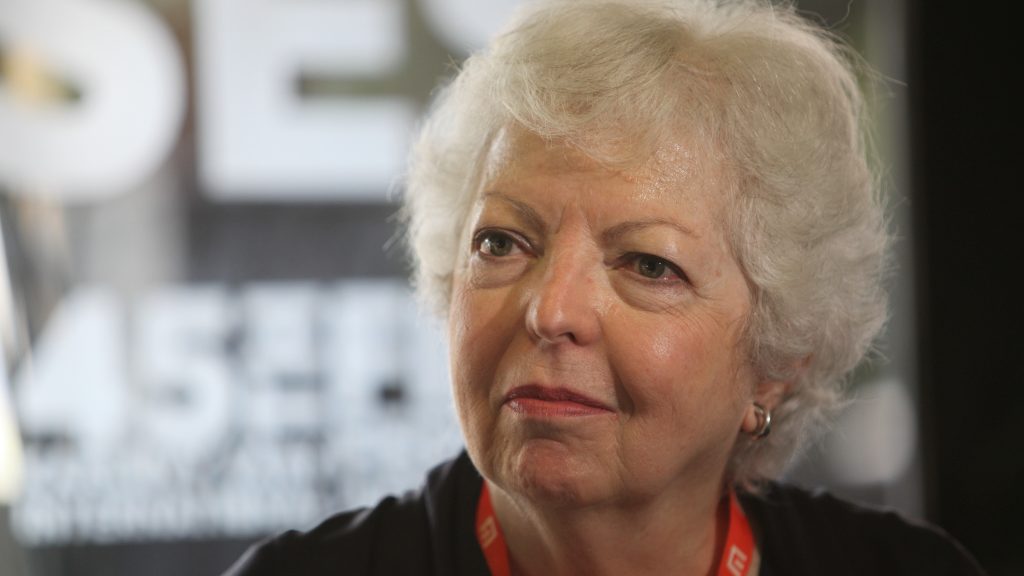
Margaret Sixel, Miller’s wife and longtime collaborator, came to editing through photojournalism and English teaching, not action cinema. According to Wikipedia’s account of the production, Miller chose her specifically because “she had never cut an action movie before,” and he wanted the film cut by someone outside the genre’s usual instincts, reasoning that if it were edited by “the usual kind of guys, it would look like every other action movie we see.” That’s an unusually deliberate creative bet for a studio tentpole, hiring for a lack of relevant experience rather than despite it.
Sixel Cut Down Roughly Half a Million Minutes to Get Two Hours
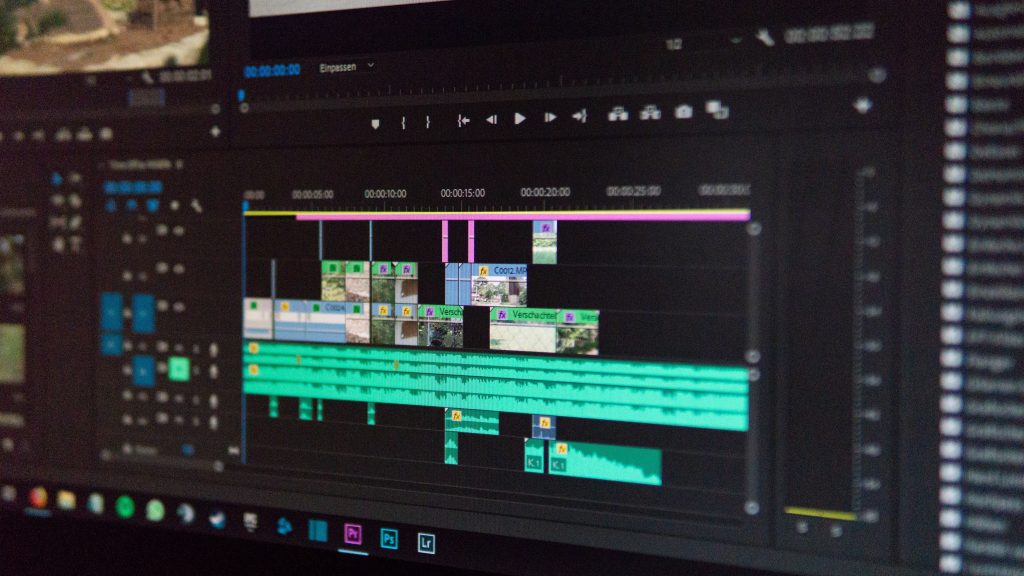
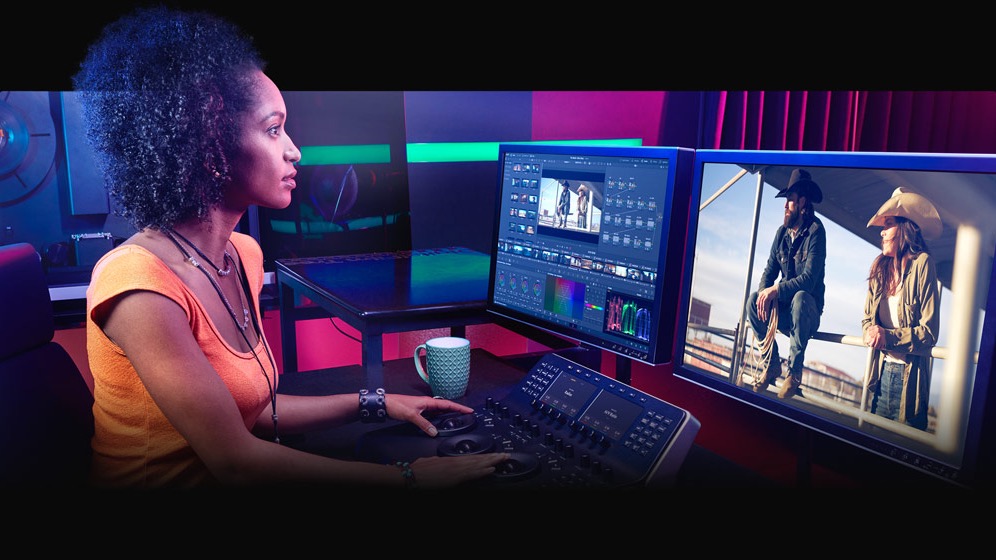
The scale of the job matched the risk. Sixel worked through over 470 hours of raw footage, spending months just watching it before she could start assembling, and ended up with more than 2,700 individual cuts in the finished film, over double the 1,200 cuts in Miller’s earlier Mad Max sequel, The Road Warrior. Speaking to Steve Hullfish for ProVideo Coalition’s Art of the Cut series, Sixel described the job in plain terms: “The editor comes on when most things are already fixed but there is always room to move and the edit is the final rewrite.” Her guiding rule, by her own account, was simpler than the chaos on screen suggests: “I always try to make each cut count. Sometimes one has no choice but to cut.”
Why an Outsider’s Instincts Made the Film Feel Different
What’s easy to miss watching Fury Road is how legible it stays despite its density. Most modern action editing chases speed for its own sake, cutting on movement to manufacture energy even when the geography of a scene gets lost in the process. Sixel told Hullfish she resisted getting “seduced by visually interesting footage” when it didn’t serve a sequence’s momentum, prioritizing progression over spectacle shot by shot. That’s a discipline you’d expect from someone trained on documentary or dialogue-driven material, not someone hired to cut car chases, and it shows. The film reads as relentless without ever feeling incoherent, which is a much harder trick than pure speed.
The Detail That Gets Left Out of the Trivia
Coverage of Sixel’s Oscar win, the film’s only competitive Academy Award, tends to frame her gender as part of the story, a woman succeeding in an action genre dominated by men. Sixel herself has pushed back on that framing directly: asked about it, she said, “I’m really into cutting film, and while George likes to think it’s a positive, I don’t feel very female about it.” It’s a small quote, but it’s a useful corrective to a narrative that credits her outsider perspective to identity rather than to the actual editing choices she made, choices that came from her background in other kinds of storytelling, not from being a woman on a male-dominated crew.
A Ranking That Rewards the Right Kind of Craft
Fury Road landing one spot behind The Social Network on a list otherwise dominated by quiet dramas and festival darlings isn’t an accident of taste, it’s a sign that critics recognize genuinely controlled editing when they see it, regardless of genre. Miller’s gamble on an editor with zero action pedigree didn’t produce a film that feels undisciplined by comparison, it produced one that’s arguably more disciplined than its peers. The lesson for anyone cutting anything with a lot of moving parts isn’t “hire an outsider.” It’s that every one of those 2,700 cuts had to earn its place, and nobody who’s cut enough action footage to be desensitized to the noise it makes was going to ask that question as rigorously as Sixel did.
Sources:
- Wikipedia — “NYT’s 100 Best Movies of the 21st Century (June 2025)”
- Wikipedia — “Margaret Sixel”
- ProVideo Coalition — Steve Hullfish, “Art of the Cut with Margaret Sixel, editor of ‘Mad Max: Fury Road'”
Image: Mad Max: Fury Road (2015), © Warner Bros. Pictures / Village Roadshow Pictures. Used for the purposes of criticism, review, and commentary under the fair dealing provisions of Section 29.1 of the Canadian Copyright Act (R.S.C., 1985, c. C-42). The image illustrates the editorial analysis above and is not used as a substitute for the original work or for independent commercial exploitation. All copyright in the image and the underlying film remains with its respective rights holders.