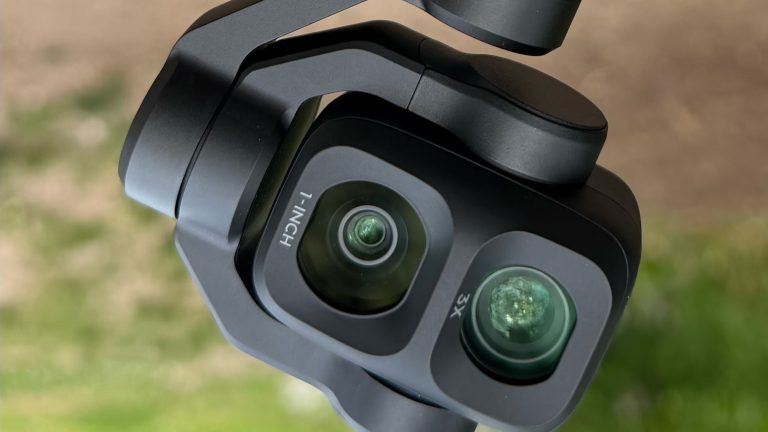
DJI put its new Osmo Pocket 4P in front of real filmmakers this month, and the most striking name on the resulting slate isn’t a working cinematographer. It’s Isabelle Huppert, who wrote, directed, and starred in a short called “FAMILIARITÉ,” shot entirely on the pocket-sized gimbal camera, as part of a Filmmakers & Visionaries session DJI hosted at the Venice Production Bridge during the 83rd Venice International Film Festival. Japanese cinematographer Mikiya Takimoto shot a second short, “Looking for Her,” a road movie set in a historic silver-mining town, on the same device. Four more emerging filmmakers, mentored by three professional cinematographers, built four additional shorts around it. The camera at the center of all of it still isn’t sold in the United States.
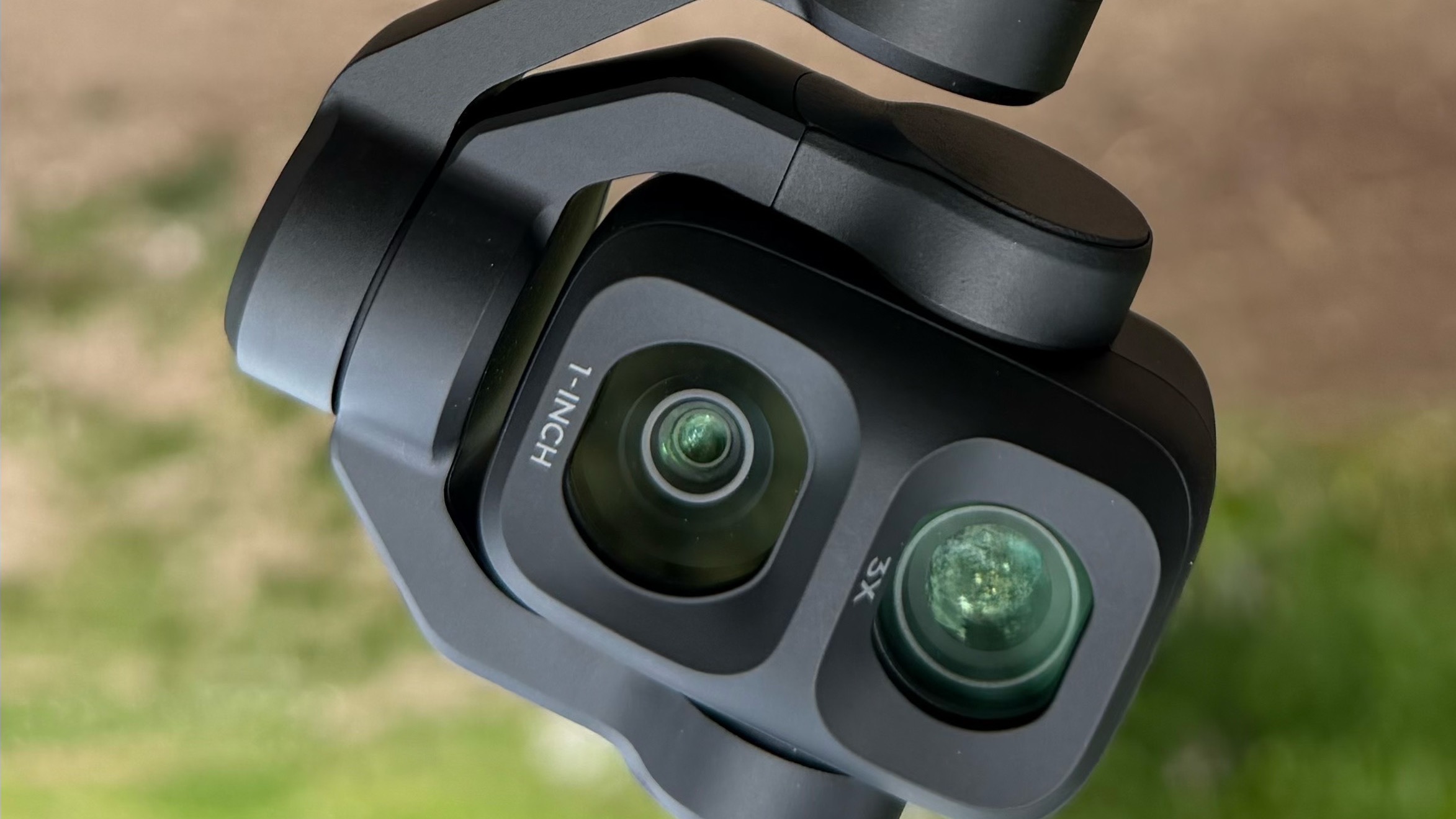
Photo: DPReview
A Camera Small Enough to Disappear
Cristiano Di Nicola, whose own film “L’Estranea” screened in Official Competition this year, sat on the panel critiquing the student work and put it plainly: “None of the filmmakers needed to compromise on quality to use a more lightweight camera. There were so many shots I didn’t even think were possible before.” Valentin Vignet, the French documentary cinematographer whose credits include the Oscar-nominated “Nefta Football Club” (and who happens to be Agnès Varda’s grandson), made the sharper point on the same panel: pulling a full rig out of a scene changes how performers behave in front of it, letting the camera witness a moment instead of obstructing it. That’s not marketing copy, it’s two people who shoot for a living saying a pocket camera changed what they’d let themselves attempt.
The Spec That Actually Matters for the Grade
Strip away the size story and the Osmo Pocket 4P is a genuine post-production tool. Its 1-inch sensor pulls 17 stops of dynamic range using DJI’s LOFIC sensor design, and it records 10-bit D-Log2, the same flat profile DJI puts on its higher-end cinema line, specifically so colorists have real latitude to push a grade rather than fighting a baked-in look. Pair that with a 20mm f/2.0 wide lens and a 60mm f/1.8 telephoto on the same body, plus 4K recording at up to 240fps for slow motion, and the camera’s actual pitch to a working DP isn’t that it’s small. It’s that the files behave like a proper cinema camera once they hit the timeline.
Still a Grey-Market Camera in the US
None of that changes the awkward fact sitting underneath the whole Venice showcase: DJI still hasn’t given the Osmo Pocket 4P a US retail release. This is the fourth time this year DJI has put the camera on a European stage, first at Cannes in May, then a China-only launch, then IBC in September, now Venice, while American buyers are left importing units through third-party sellers at a real markup over the roughly $700 European price. DJI’s separate fight with the FCC over drone import restrictions doesn’t technically cover the Pocket line, but the pattern of debuting hardware everywhere except the country its target customers are watching from is becoming its own recurring story.
A camera doesn’t make “FAMILIARITÉ” or “Looking for Her” good short films, if they turn out to be good short films at all. But Di Nicola’s and Vignet’s actual point deserves to be taken at face value: working cinematographers keep saying that removing the rig changes the performance they can capture, not just the convenience of capturing it. That’s a real craft argument, worth more attention than another spec sheet, and it’s happening on a camera most of its own target market in the US still can’t legally walk into a store and buy.
Sources:
- DroneXL — “DJI Takes Pocket 4P to Venice Film Festival, US Still Shut Out”
- ProVideo Coalition — “The DJI Osmo Pocket 4P Shines at the 83rd Venice Film Festival” by Alec C. Cohen
- British Cinematographer — “DJI Hosts Filmmakers & Visionaries Session at Venice”
- PR Newswire / DJI — “Osmo Pocket 4P Delivers Pro Filmmaking Capabilities”