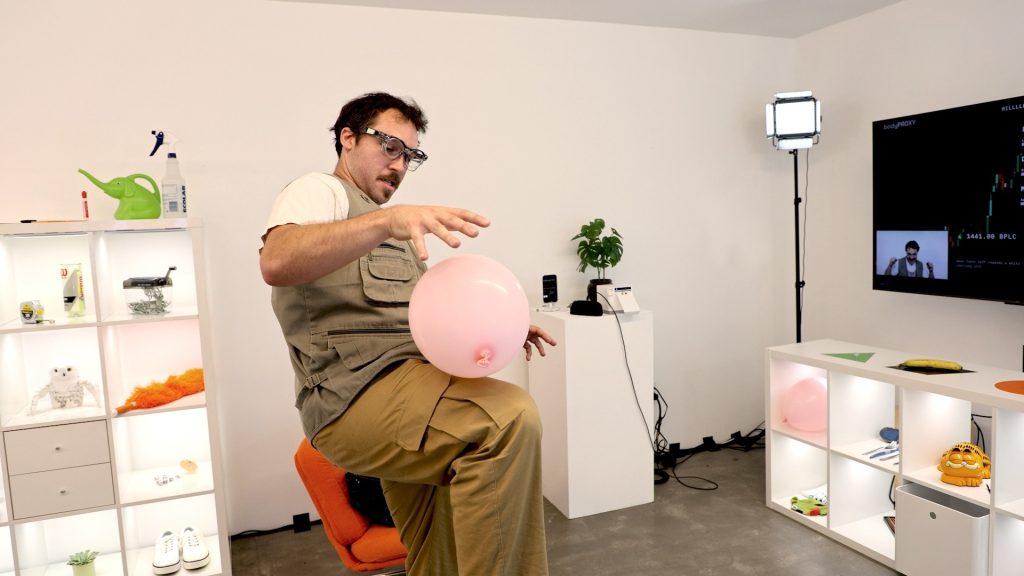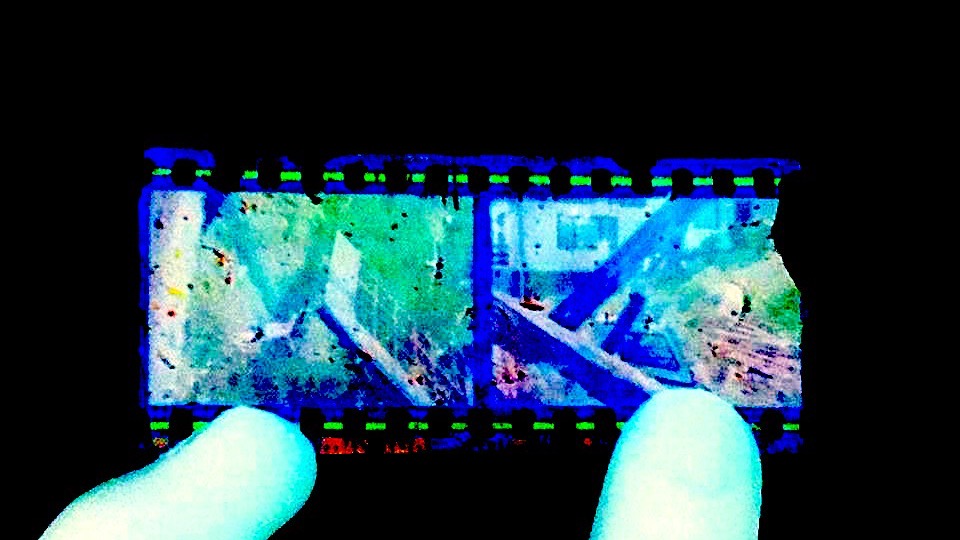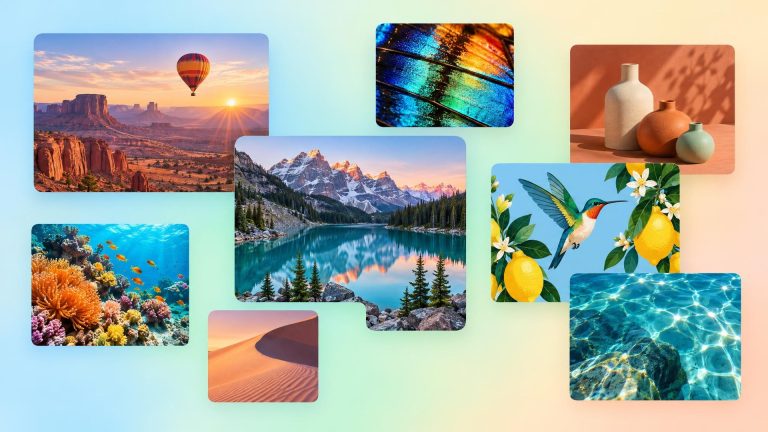
Image: Canva Craft sample outputs, via Unite.AI
Canva Craft is the company’s first image model built entirely in-house, and it went live to every Canva user this week through Dream Lab, with a public API in preview. If you make thumbnails, title cards, posters or social cutdowns, this is the first mainstream image model aimed squarely at that kind of work: layout-heavy images with text that has to read.
What Canva Craft Actually Does
According to Unite.AI’s write-up, Craft works in two stages. A planning model first decides the composition, including where text and objects sit, how big they are and how they relate to each other. A separate rendering model then paints the image from that plan, at up to 2K resolution and across more than 30 aspect ratios.
That split is the whole pitch. Most image models guess layout and text in one pass, which is why a poster prompt so often comes back with a mangled headline. Craft plans first. TestingCatalog reports that it can generate legible text in 55 languages, and that a feature called Magic Layers uses JSON bounding boxes to turn a generated image into editable elements.
The training data explains the personality. Canva says the model learned mainly from millions of its own design templates (posters, menus, infographics, presentations) rather than from photographs, then got supervised fine-tuning and reinforcement learning using feedback from professional designers. Expect it to be strongest at typographic layouts and weakest where a photographic model would shine. Unite.AI notes that fine print and technical drawings are the areas Canva itself marks for improvement.
The Benchmark Claim, Read Carefully
Canva says Craft debuted fourth among image models on DesignArena, a community-voted leaderboard. Tech Times, in a piece by Clayton Lewis, reports an Elo of 1,341 and says the three models ahead of it are all OpenAI variants. Canva also claims first place in People and Portraits (out of 87 models) and Landscapes and Nature (out of 85), plus second in Abstract and Patterns and fourth in Products.
Tech Times points out that those category claims could not be independently verified, and that is the right way to treat them. A fourth-place debut on a design-focused arena is a real result for a first model. It is not proof that Craft beats everything on your kind of shot.
How to Get It Today
In Canva, Craft is selectable from Dream Lab. Tech Times reports that free users get up to 20 combined AI uses per month across all categories, while Pro subscribers ($144 a year) get up to 200 Premium uses per month. Canva has not said whether Craft draws on Premium or Standard credits.
The API is the part to be cautious about. Per Tech Times, it is preview-only: Canva’s own documentation says preview APIs may change without notice, apps built on them cannot pass Canva’s review for public distribution, requests are capped at 20 per minute, and the endpoint offers six fixed aspect ratios against 30-plus in the editor. Jobs run asynchronously and take roughly 50 to 60 seconds. Faster Craft-fast and Craft-ultrafast variants are announced, with no date, and TestingCatalog reports MCP support for AI assistants is coming.
Where It Fits in a Video Edit
Craft is not a video model. Its value to an editor is the stuff around the footage: a YouTube thumbnail with a headline that is spelled correctly, a chapter title card in a specific aspect ratio, a poster-style end card, a background plate for a lower third. Generate it at 2K, export the still, and drop it on the timeline in Premiere Pro, Resolve or Final Cut like any other graphic.
One habit worth keeping: clean AI stills look synthetic next to real footage. A layer of real film grain on top, even a subtle one, ties a generated title card to the shot before and after it. If you want a quick way to try that, the free Grainzilla film grain downloads are ProRes 422 files, so the fine detail survives your edit, and our guide to adding film grain in Premiere Pro, DaVinci Resolve and Final Cut Pro covers the blend settings.
The Verdict
Canva did not build a better photographer. It built a model that thinks like a layout designer, and for the unglamorous half of a creator’s week (thumbnails, cards, covers) that is the more useful skill. Plan first, paint second is also how a good editor works.
Sources: Unite.AI, “Canva Debuts Craft Image Model Built by Its In-House Research Lab” (Oct 2026); TestingCatalog, “Canva launches Craft image model with 2K output and API” (Oct 23, 2026); Tech Times, Clayton Lewis, “Canva Craft Ranks Above Google, Microsoft, Meta on Day One; API Still Preview” (Oct 23, 2026); Canva Newsroom, Canva Craft announcement (Oct 2026).