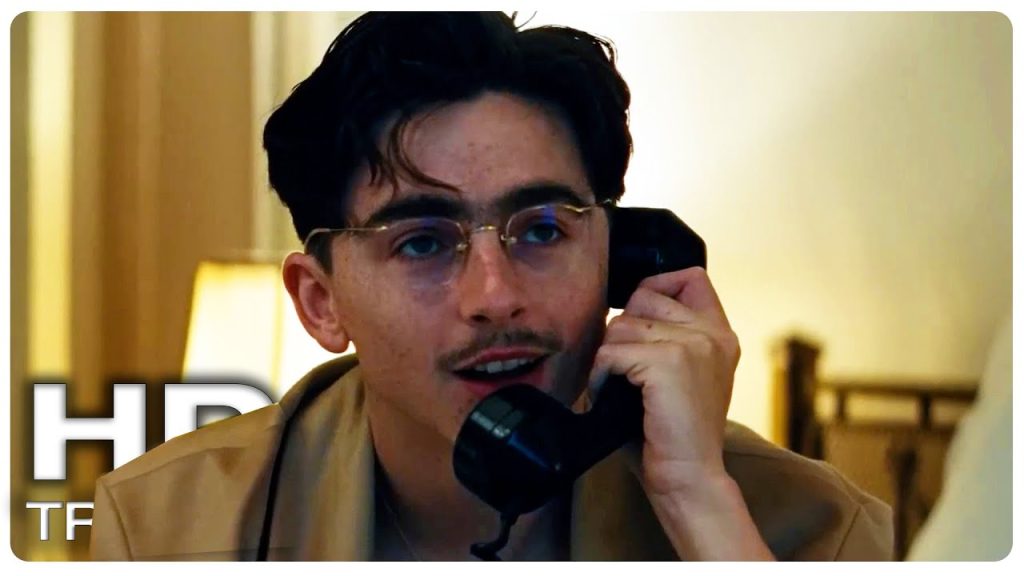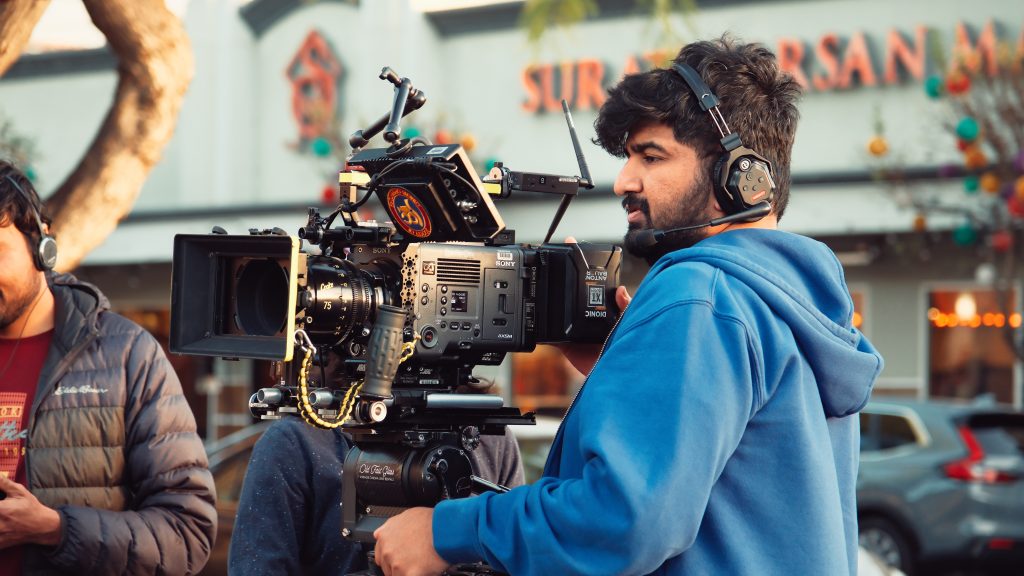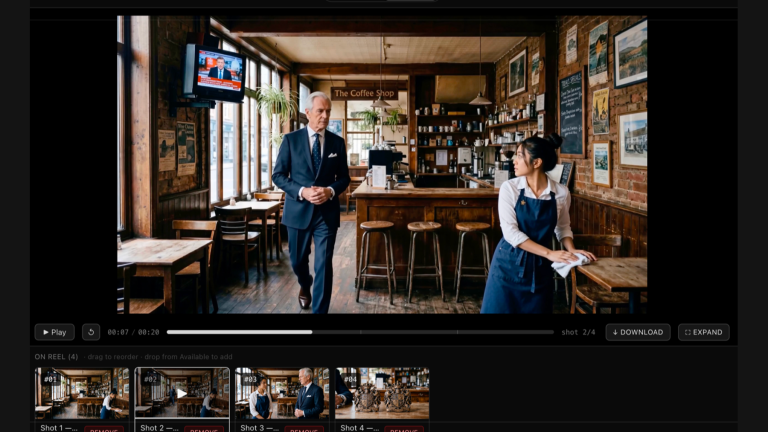
Half Moon is a live-action feature, shot on location in Germany, from a director with a Silver Bear on her shelf. It is also, as of this year, a real test case for Utopai Studios’ PAI 2.0 system, which the production is using to support select visual elements while everything else about the film stays traditional: live-action performance, director-led blocking, a real crew on a real North Sea island. That distinction is the whole story. Most AI-video coverage this year has been about tools generating entire shots from a prompt. Half Moon is a case of a working festival filmmaker deciding where AI belongs in a production and where it doesn’t.
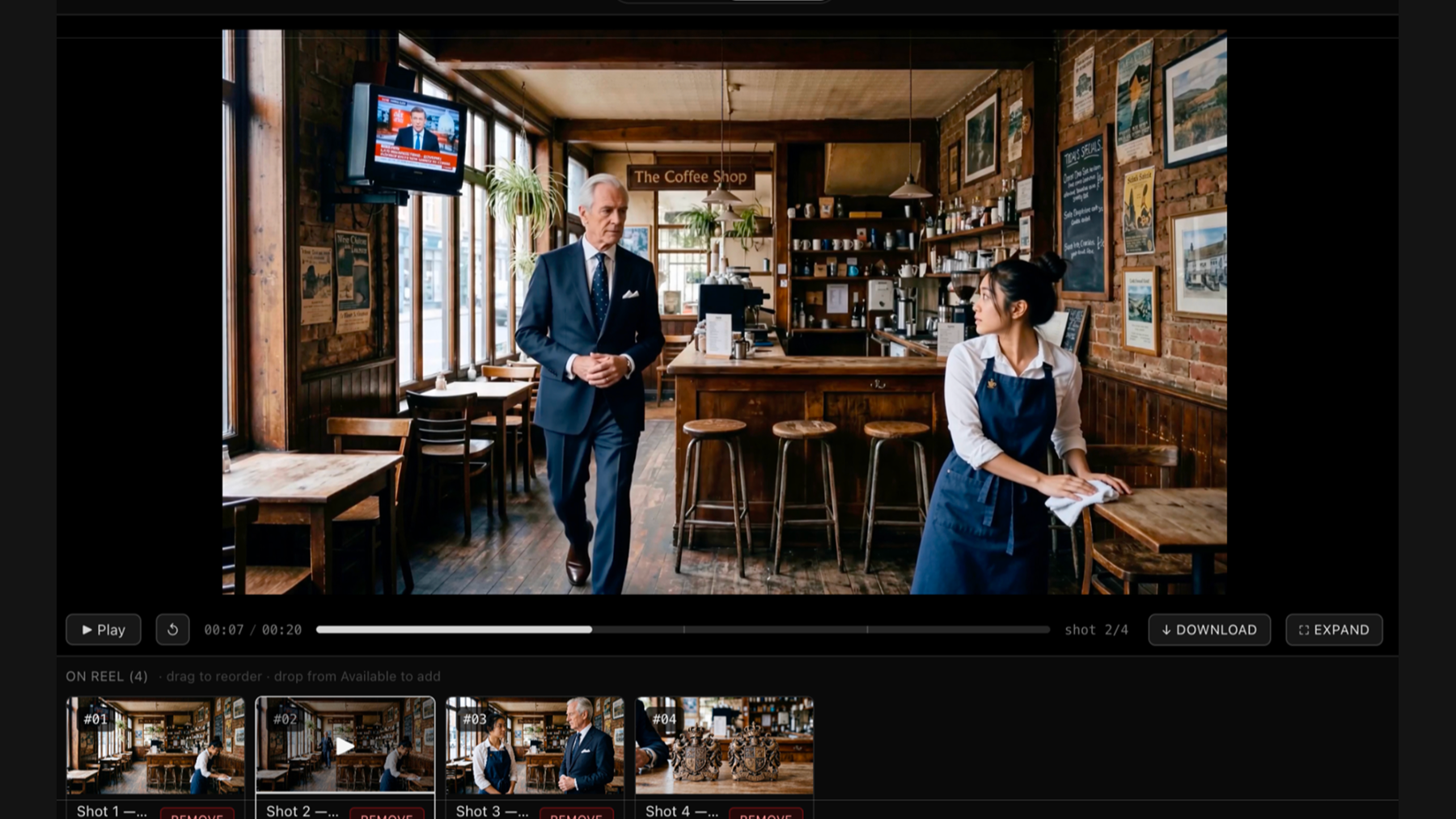
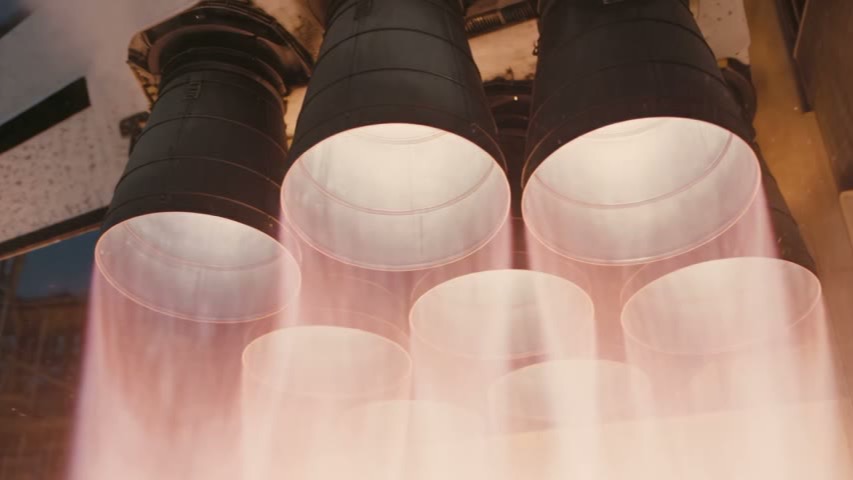
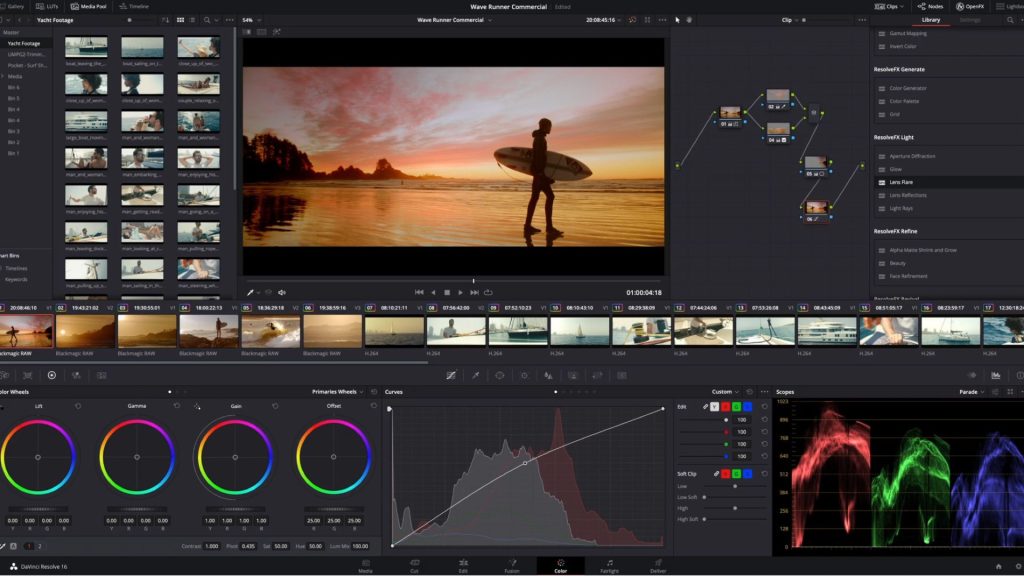
Screenshot: Utopai Studios, official product demo.
A Silver Bear Winner, Not an AI-First Creator
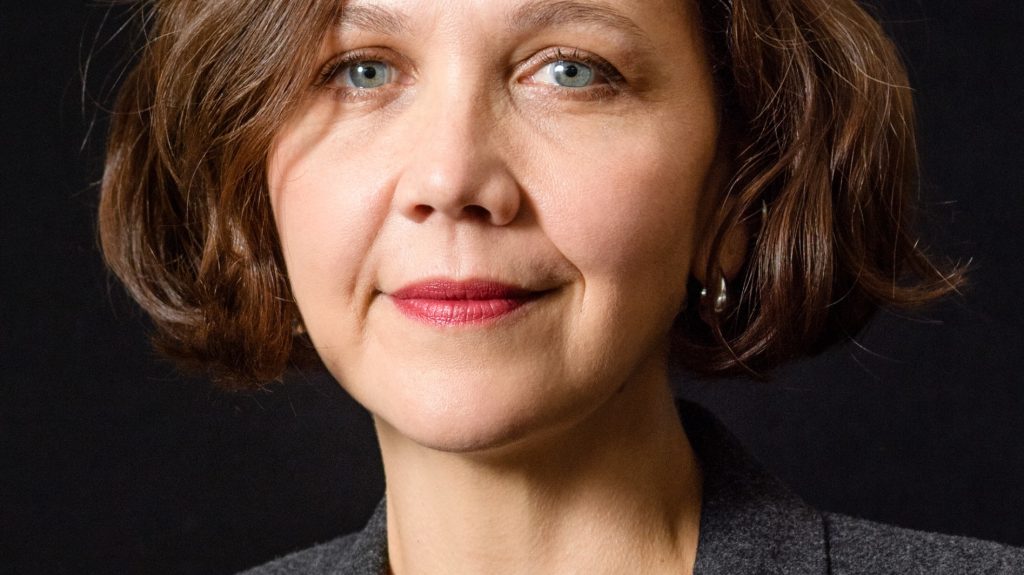
Writer-director Hyo-joo Yang made her name with the short “Broken Night,” which won a Silver Bear at the Berlinale. Half Moon is her feature debut: a German-Korean co-production, backed by Germany’s In Good Company and Korea’s Paper Barn Studios alongside Utopai, following a niece and aunt who are strangers to each other spending a fractured summer together on a remote North Sea island. Yang has described it as a story “about the pain we carry from childhood, the people who unexpectedly teach us how to survive, and the small vows we make to keep going.” Principal photography, backed by German public funding, began this year on that actual island. None of that reads like an AI pitch deck, because it isn’t one. It’s an indie festival drama that happens to have an AI studio as a financing and production partner.
Why an AI Studio Wanted In
Utopai’s own executives are specific about what problem they think they’re solving, and it isn’t “replace the crew.” Hyun Park, president of Utopai Studios East, put it plainly: “One of our goals is to help filmmakers realize cinematic moments that may otherwise be difficult to achieve within the constraints of independent film financing.” Co-founder and CEO Cecilia Shen framed the deal in similar terms, calling Half Moon “exactly the kind of filmmaker-driven, internationally relevant story we want to champion.” Producers Roshanak Behesht Nedjad and Younghong Chung described the arrangement as a way to “support Hyojoo Yang’s unique visual language, maintaining her point of view,” not override it. Read together, the pitch is narrower than the usual AI-video hype: use PAI for the shots an indie budget genuinely can’t otherwise afford, and leave the rest of the film alone.
What PAI 2.0 Can Actually Do
PAI 2.0, which launched in June, is built around two workspaces rather than a single prompt box. Canvas lets a creator define characters, locations, and keyframes as reference nodes and generate variations against them, which is how a production keeps a face or a location consistent across shots instead of redrawing it from scratch every time. Timeline mode is closer to a rough-cut tool: reorder clips, replace individual shots, check pacing and continuity, and export. New in this version are three-minute continuous 4K generations, multi-shot sequencing, and what Utopai calls Story Agent continuity, aimed at the specific failure mode that has made most generative video useless for anything longer than a single clip: characters and environments drifting between shots. For a film like Half Moon, described as staying grounded in “live-action performance, director-led storytelling, and traditional cinematic craft,” the tool’s job is narrower than full-shot generation. It’s there for the moments a location scout, a stunt budget, or a VFX house would otherwise price out of an indie production entirely.
The Test Isn’t the Tool. It’s Whether Anyone Notices
Half Moon hasn’t premiered yet, so there’s no verdict on whether PAI’s contributions read as seamless or as the visible seam every AI-assisted shot risks becoming. But that’s precisely why it’s worth watching ahead of a festival premiere rather than after one: this is a real distributor-backed, publicly-funded festival film, not a demo reel, putting a specific, bounded claim on the table. Not “AI made this film,” but “AI made a few shots this film couldn’t otherwise afford, and you shouldn’t be able to tell which ones.” Whether that claim holds up on a real screen, in front of programmers who watch for exactly that kind of seam, is a better test of where generative video actually stands than another leaderboard score.
Sources:
- Utopai Studios — “Utopai Studios to Present and Invest in Hyo-joo Yang’s Half Moon as Part of Expanding Film Slate”
- Cineuropa — “Hyo-joo Yang Readies Her Feature Debut, Half Moon”
- Deadline — “AI Firm Utopai Studios to Co-Produce Hyo-Joo Yang’s ‘Half Moon'”
- TV Technology — “Utopai Studios Launches PAI 2.0, Cinematic Storytelling AI System”
- Utopai Studios — PAI Pro Product Page