Photo: Camera Intelligence, via PetaPixel
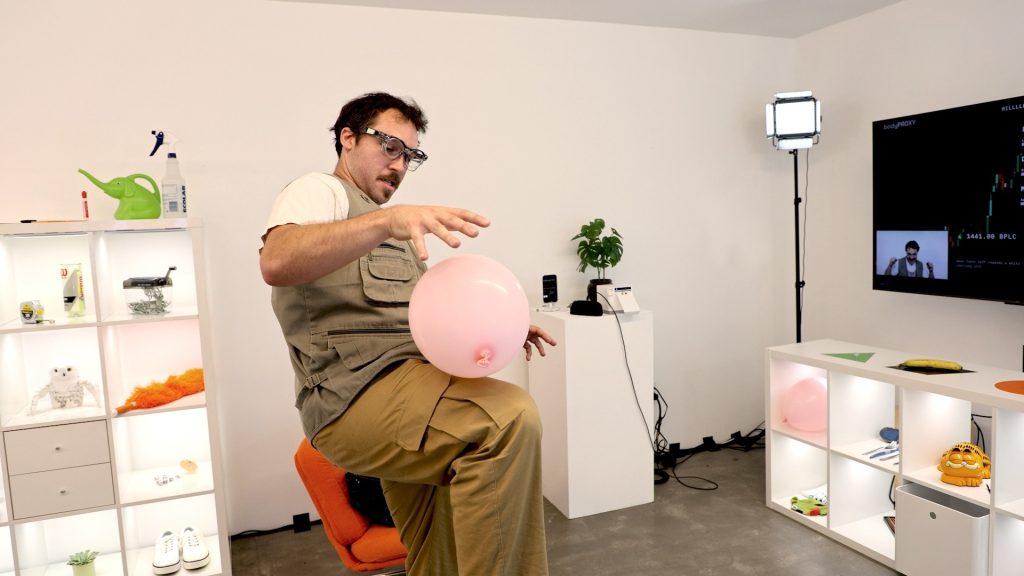
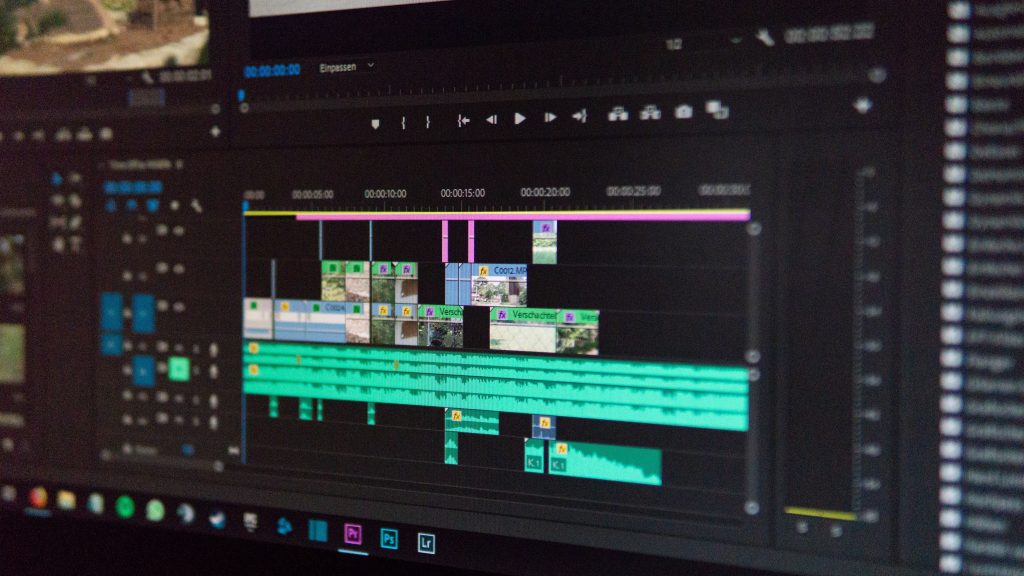
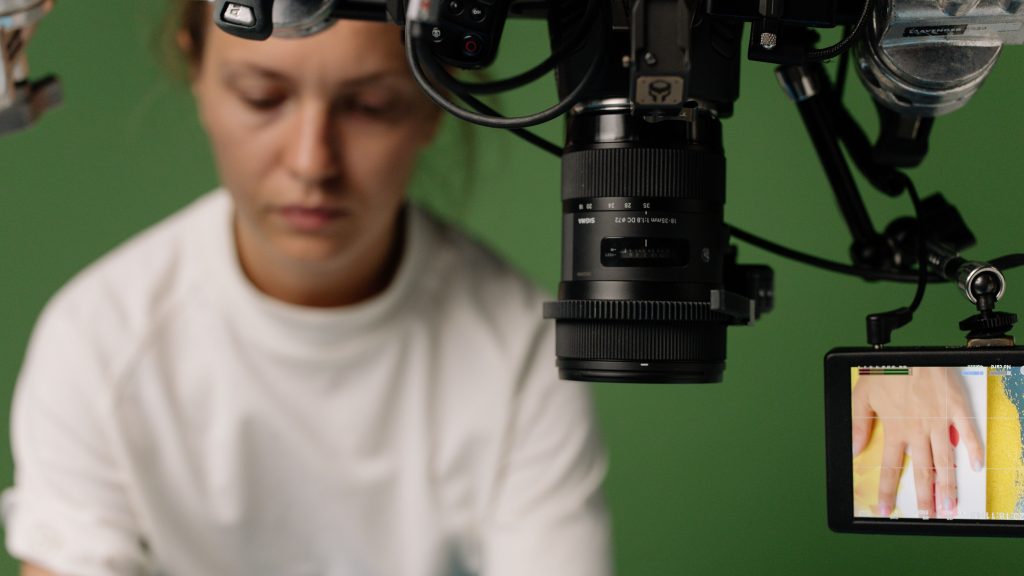
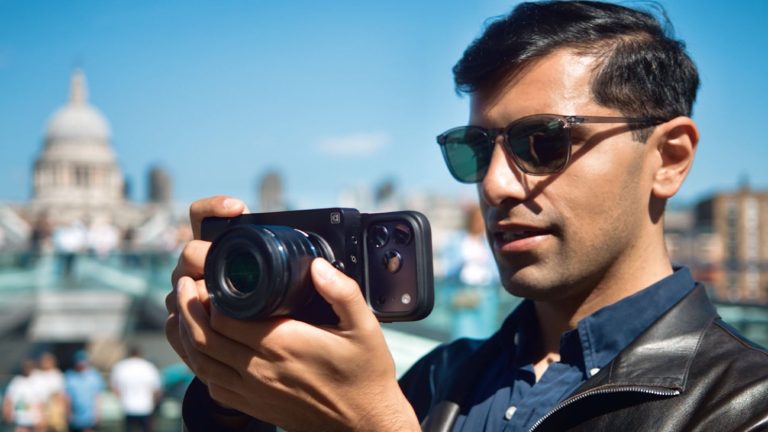
Caira, the AI-native Micro Four Thirds camera that clips onto an iPhone via MagSafe, now edits the footage it shoots. Camera Intelligence, the company behind it, rolled out a beta of generative video editing built into the Caira Studio app, letting owners relight a clip, reframe it, fake a drone move, or extend the edges of a shot beyond what the lens actually captured.
What the Feature Actually Does
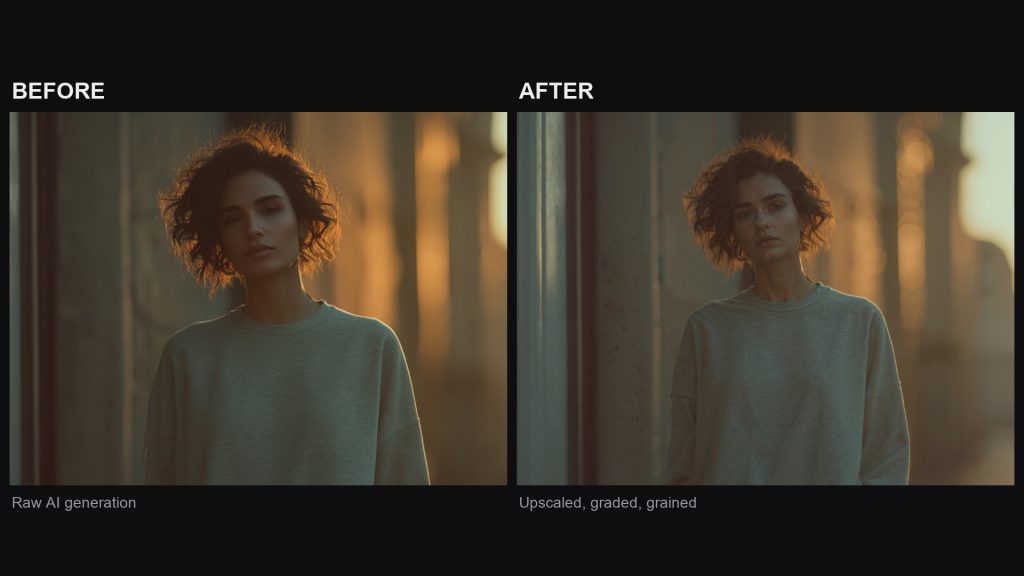
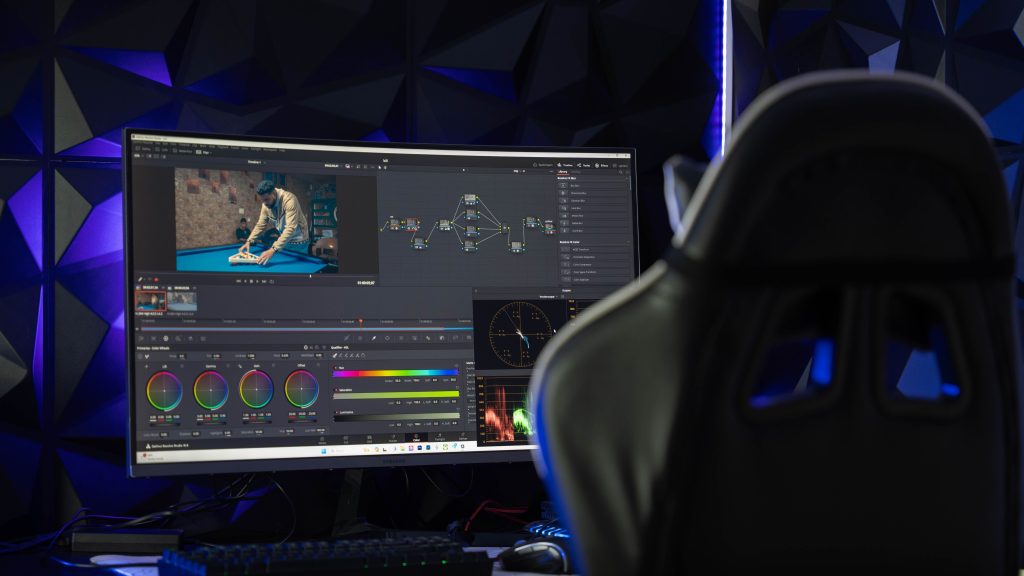
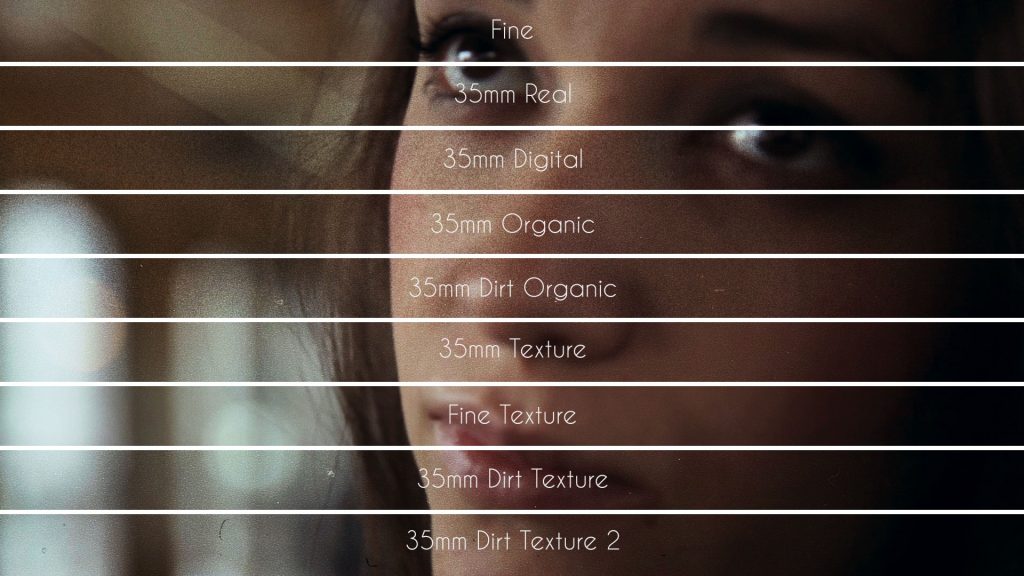
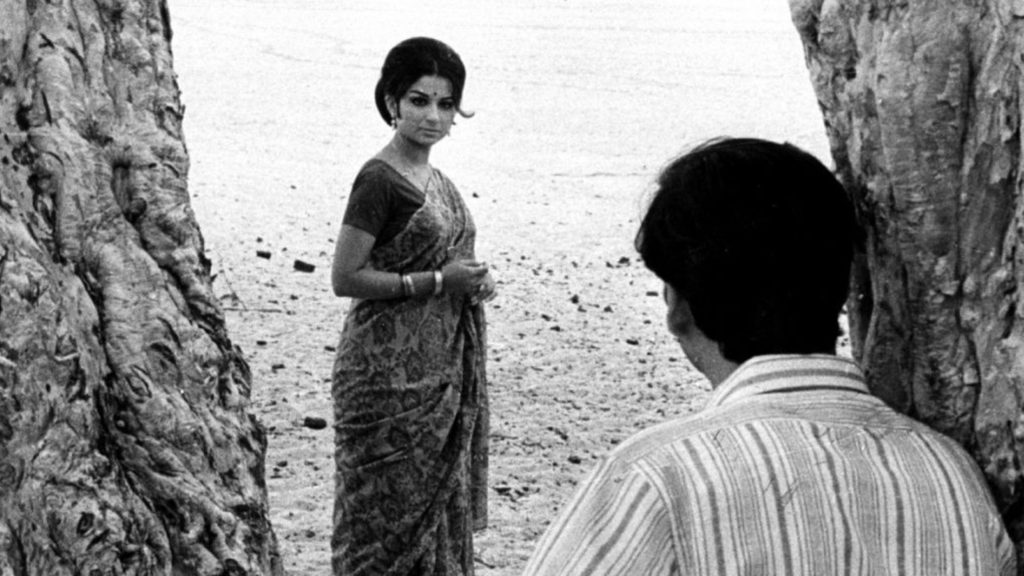
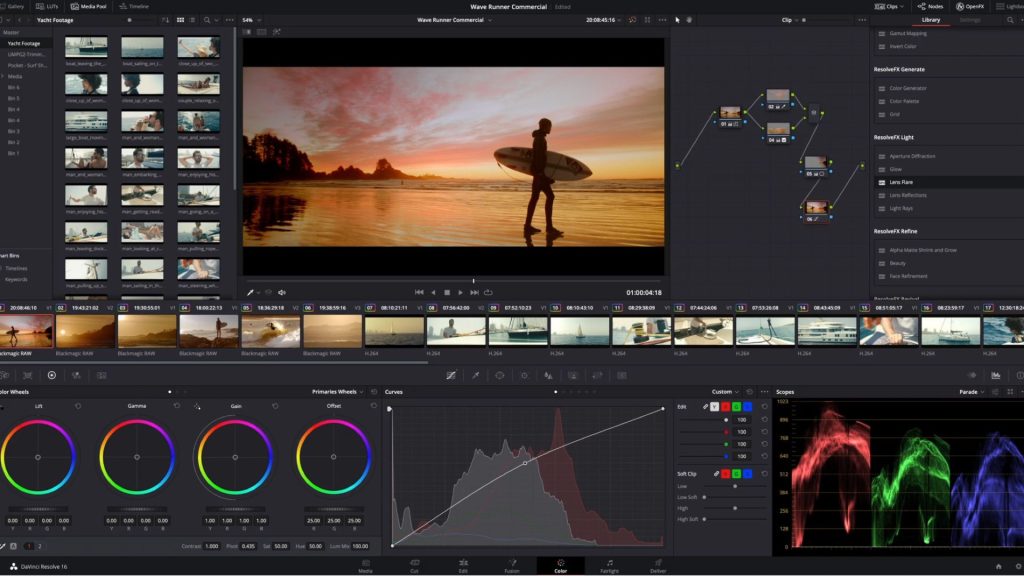
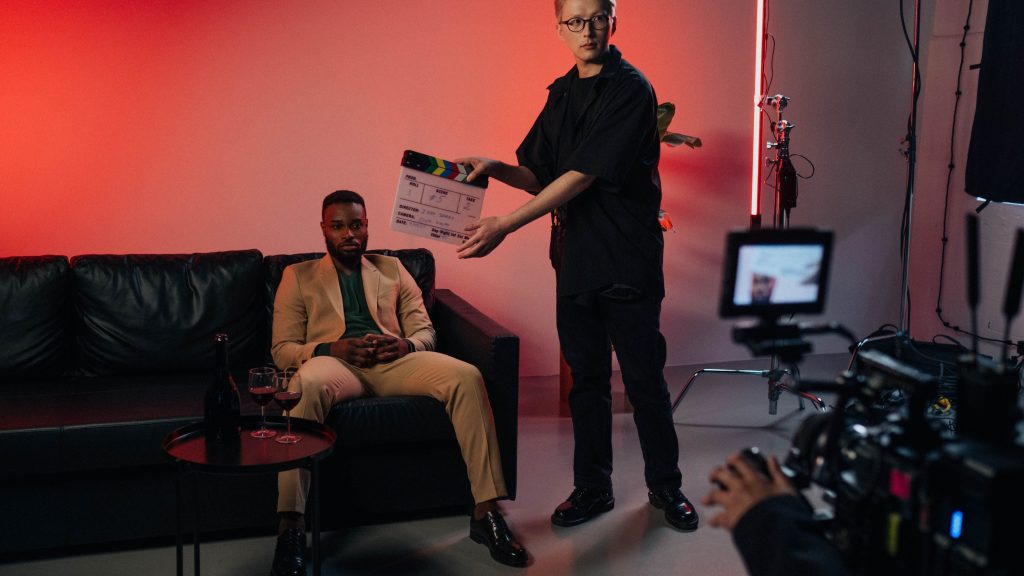
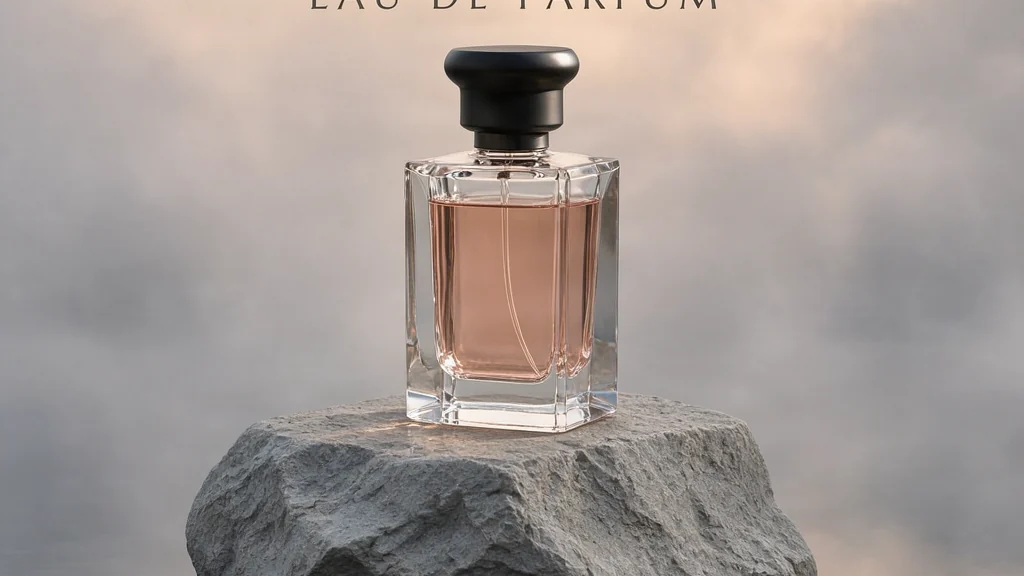
The tool runs on Google’s Gemini Omni 1.1 Flash paired with Runway’s Aleph 2.0, according to PetaPixel’s Jeremy Gray. Point it at a clip and it can regrade the color, relight the scene, turning noon sun into golden hour, reframe the composition, simulate camera moves like a tilt or a drone pass, and generate ten extra seconds of surrounding environment the camera never actually recorded, what the company calls set extension. Output tops out at 720p or 1080p even though Caira itself shoots 4K, and the system only touches footage the camera actually captured, it doesn’t generate new video out of nothing.
Who Camera Intelligence Says This Is For
Vishal Kumar, CEO and co-founder of Camera Intelligence, was direct about the intended audience. “Traditional filmmakers and VFX artists may prefer their existing workflows,” he told PetaPixel, “yet our solutions are aimed squarely at solo creators and marketers who may not have the budget to commission this work and who are often overwhelmed by pro editing tools, but who are excited by these technologies and what they make possible.” Kumar also framed it as a response to demand: “after shipping Caira a large majority of our surveyed backers said generative editing for video would be useful to them, a clear impetus to bring these ideas to life.” Caira previously became, in Kumar’s telling, the first mirrorless camera to apply generative AI to still photos, so this is the company doubling down on the same bet for video.
Where the Cracks Show
Camera Intelligence describes the set-extension model as “physics-aware” and says it “remembers the scene across an entire clip,” but DPReview’s Mitchell Clark wasn’t convinced by the sample footage. “You can definitely still see some AI artifacting,” Clark wrote, adding that “this still isn’t the kind of tool I’d like to use” for finished work. His read is that the feature functions better as a prototyping tool than as something that survives contact with a real delivery. He also questioned the bigger claim, whether this pulls in buyers who weren’t already Caira fans, or nudges Sony, Fujifilm, and the rest toward building the same thing into their own bodies.
A Tool Built Around Its Own Ceiling
What’s actually notable here isn’t the sci-fi feature list, it’s that Camera Intelligence built a hard wall into the product on purpose. Generative Video Editing only works on footage shot with an actual Caira. It can’t conjure clips from a text prompt, it can only push around pixels that came from a real lens pointed at a real scene. That’s a narrower, more honest claim than most generative video tools make right now, and it’s worth noticing precisely because the company didn’t have to draw that line.
Whether that restraint holds as the software matures is the actual story to watch, not the demo reel. An editor’s job has never been about which tool touched the frame last, it’s whether the frame still tells the truth the shot was chasing in the first place.
Sources: